GeezerVisonThe World Wide Web, restored to 800 pixels of glory. | ||||||||||||||
| Home|About|Gaming cabinet|Archives|How it works|Starter sites | ||||||||||||||
GeezerVison is showing developer1-vd.github.io — TermOS Three distros, one systemTermOS is built on Fedora, with Ubuntu and Nix layered on top. You get Fedora's fresh, stable base and the software from all three. (The name doesn't mean anything. It's not a terminal OS; TermOS is just a cool name.)
base system
Fedora 45The kernel,
layer
UbuntuFriendly defaults, and Ubuntu's software:
layer
NixNix runs alongside Run anything
$ termos-run notepad++.exe
$ termos-run ./SomeTool.app
$ termos-run ./freebsd-tool --help
$ termos-run nix:cowsay moo
 _____
< moo >
 -----
        \   ^__^
         \  (oo)\_______
            (__)\       )\/\
                ||----w |
                ||     ||
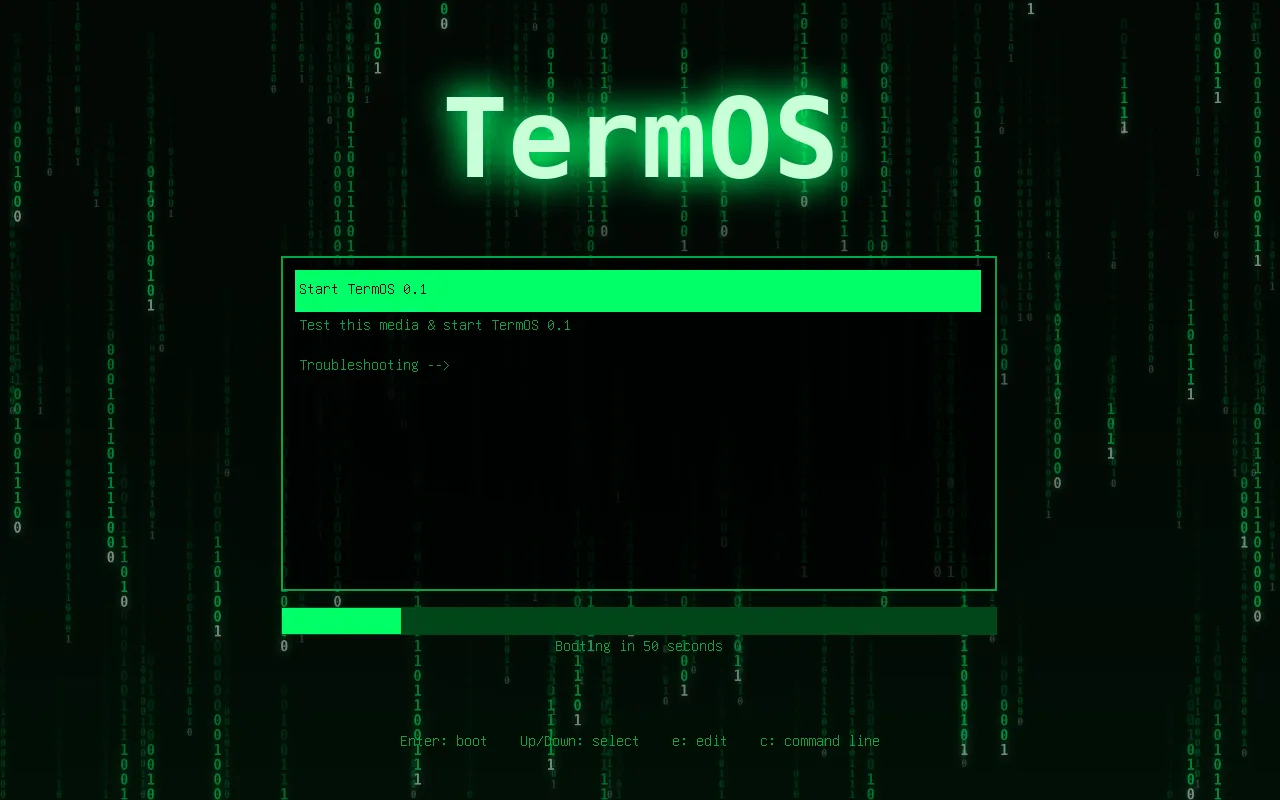
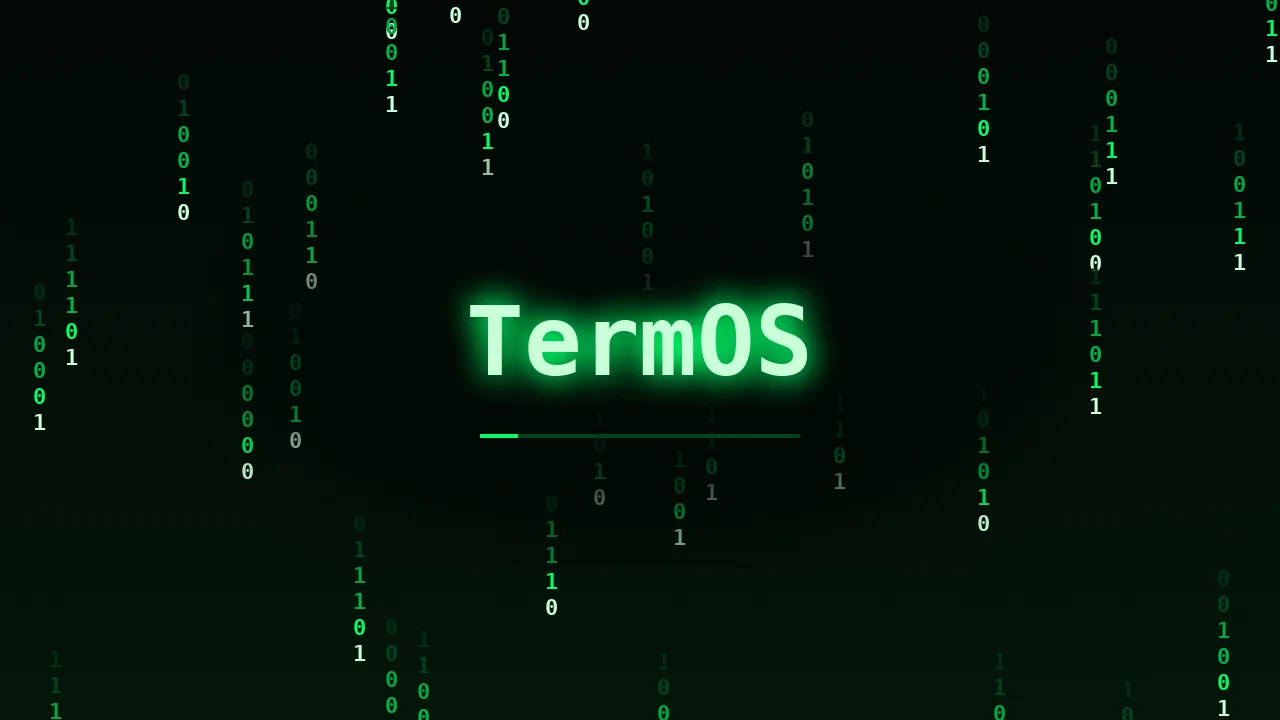
BSD and macOS programs can't run on the Linux kernel by themselves, so TermOS uses Darling or a virtual machine for them. Darling is still experimental: command-line tools work best. termos-fetchSystem info with the TermOS Matrix logo, the way fastfetch and neofetch show it. Pipe $ termos-fetch 1 0 1 0 1 0 1 you@termos 0 1 1 0 1 1 0 1 1 0 1 ----------- 1 0 0 1 0 0 1 0 0 1 1 OS: TermOS 0.1 (Fedora Linux 45) 0 1 0 1 0 1 1 0 0 Kernel: Linux 6.19 1 0 1 1 0 1 1 0 0 1 0 Shell: bash 5.3 1 0 0 1 0 1 1 0 1 DE: KDE Plasma 0 0 1 1 0 1 0 0 1 1 Memory: 3.1 GiB / 16 GiB 1 1 0 1 0 1 1 0 1 0 $ fortune | termos-fetch \ / termite@TermOS \___/ ----------------- .-(o o)-. OS: You will be fortunate. / `-^-' \ Host: There is no spoon. /| (___) |\ Kernel: Beware of low-flying butterflies. / | ( ) | \ Uptime: The termite was here first. | (___) | CPU: Your lucky number is 0x1F. / ( ) \ Memory: You forgot something. ( ) Example output. Your stats (and fortunes) will differ. The lookGreen digital rain behind the TermOS logo, from the boot menu to the desktop. 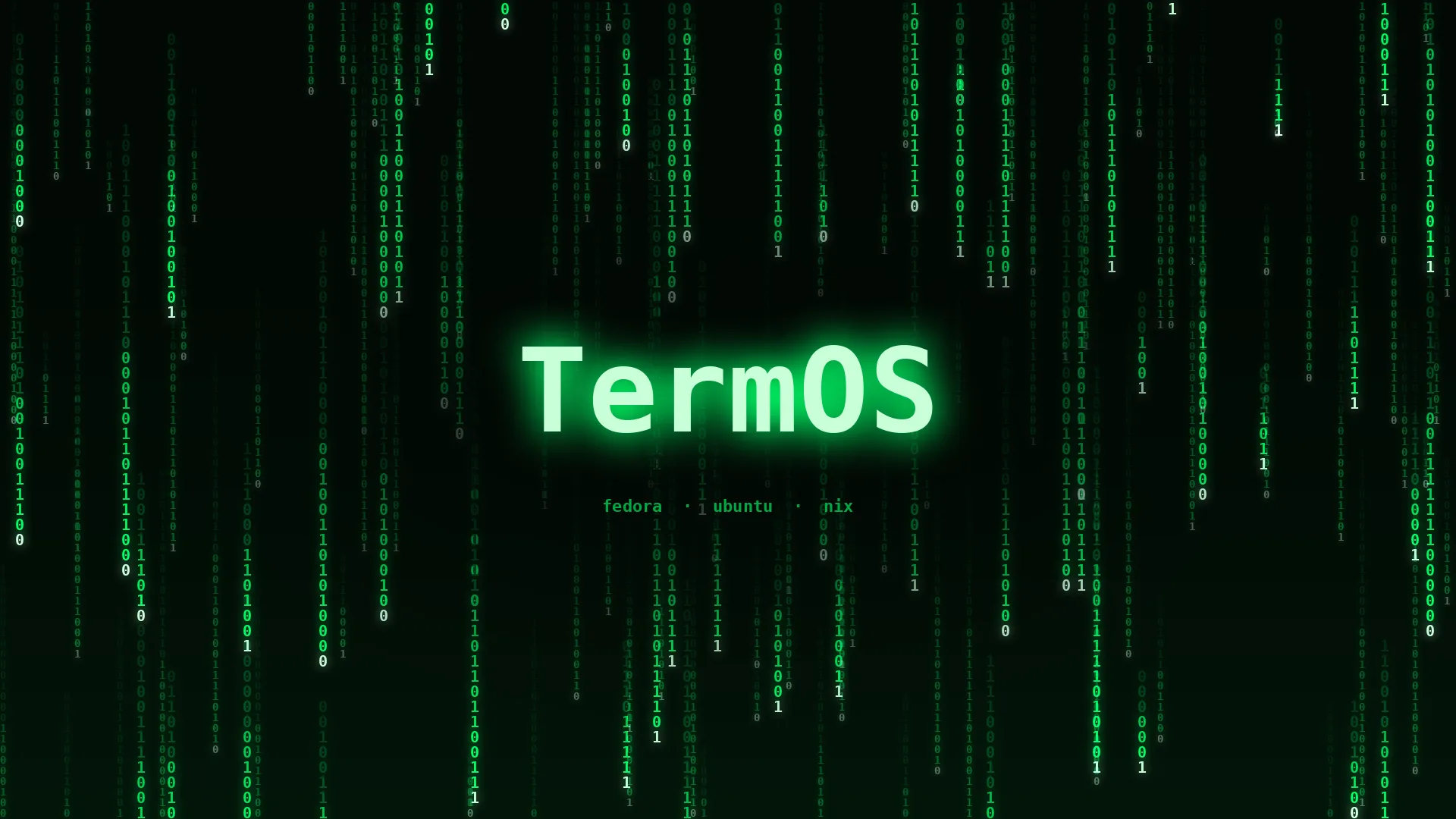
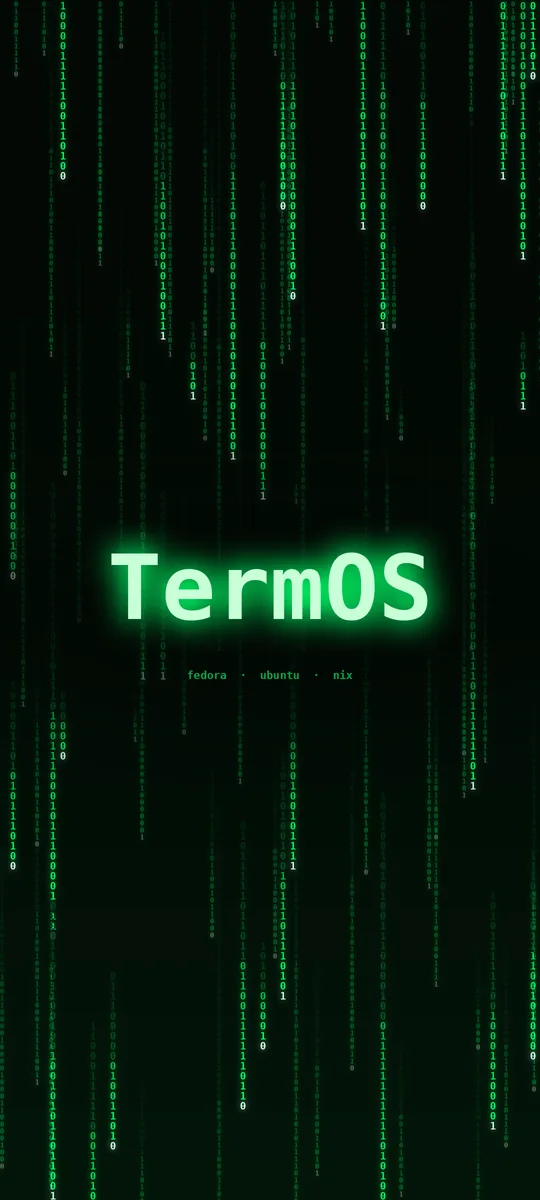
The wallpaper comes in phone sizes too (1080×2400 and 1440×3200). Grab them from the repository. Ready out of the boxEverything for running apps from anywhere is already on the ISO. desktop
KDE PlasmaWith the KDE apps, and Flatpak with Flathub ready to go. Prefer GNOME, Xfce or another desktop? windows
Wine and friendsWine with Mono, Gecko and DXVK, plus Winetricks, Bottles, Lutris and Protontricks. macos + bsd
Darling and VMsDarling for macOS apps, and QEMU/KVM with virt-manager for a BSD virtual machine. ubuntu + nix
Distrobox and NixDistrobox and Podman for Ubuntu software, and Nix with its daemon enabled. PCs, ARM boards and phonesOne look, four editions. Pick the file for your hardware from the release. x86-64 iso
PCPCs and laptops, BIOS or UEFI, plus x86-64 boards like the Radxa X4. The full set: Windows, macOS, BSD, Ubuntu and Nix apps. aarch64 iso
ARM64ARM machines with UEFI: Snapdragon laptops, ARM servers and boards with UEFI firmware like the Radxa Dragon Q6A and Q8B (pick the Qualcomm boot entry). Everything except Windows and macOS apps. board image
ARM64 boardWrite it to an SD card for a Raspberry Pi 3, 4 or 5, an Orange Pi (Allwinner models), a Radxa ROCK Pi 4 or another U-Boot board. It asks for your user on first boot. phone
PhoneNura (formerly postmarketOS) with Plasma Mobile and the TermOS look, for the OnePlus 6, Pixel 3a, PinePhone, Galaxy S9, Poco F1, several Redmi Notes and more. iPhones can't run Linux (Apple locks the bootloader), and the Galaxy Z Fold has no Linux port. The full phone list is in phone/devices.txt; each phone's download has its own flashing steps. Download and installOn a PC, TermOS is a live ISO: try it from a USB stick, then install it from the desktop. (Board and phone images are written straight to an SD card or the phone; see the README.)
Prefer to build it yourself? Clone the repository and run | ||||||||||||||
| You are visitor 01402503 — GeezerVison does not store the pages you look up. Best viewed with Netscape Navigator 4.7 or Internet Explorer 6 at 800×600. No cookies required. |