GeezerVisonThe World Wide Web, restored to 800 pixels of glory. |
| Home|About|Gaming cabinet|Archives|How it works|Starter sites |
GeezerVison is showing haridecoded.com — Hari Subramonyam 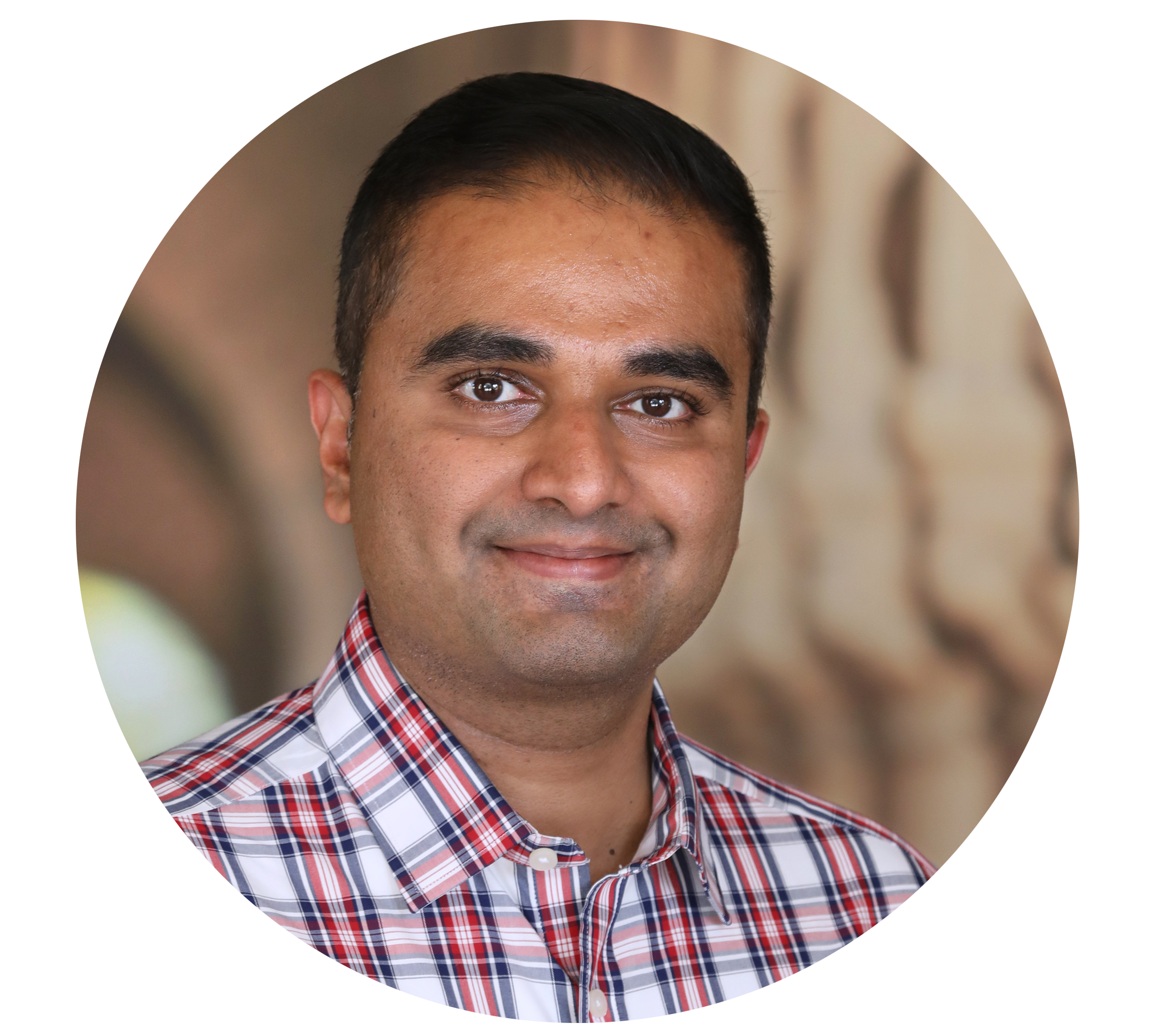
Hari Subramonyam harihars [at] stanford [dot] edu  Office: RAIKES 233  Admin: Krezna (Kena) Rae Mantuano Palces I am an Assistant Professor (Research) at the Graduate School of Education and Computer Science (by courtesy) at Stanford University. I am also the Ram and Vijay Shriram Faculty Fellow at the Institute for Human-Centered AI (HAI) and a core faculty member of Stanford HCI. My research asks how we design AI to extend human thinking rather than replace it. I take a cognitively grounded approach to HCI, studying how people build knowledge through acts of creation: writing arguments, building models, drawing diagrams. I then design interfaces that make these cognitive structures visible and interactive, so that AI can meaningfully participate in the process without taking it over. This work spans AI thinking tools that preserve learners' roles as active creators, pedagogical systems that help teachers see and support how students learn, and design methods that give educators real agency in shaping the AI tools entering their classrooms. I received my MS and PhD in Information from the University of Michigan School of Information, advised by Eytan Adar.
NEWS
04/1/2026
My research on AI in Education got mentioned in Washington Post article 🔗 .
03/28/2026
My talk on AI and Education at Stanford HAI is publihsed on YouTube.
03/28/2026
My panel commentary on AI and Creativity is publihsed on YouTube.
03/20/2026
We received an Honorable Mention Award at CHI'26 for our work on Metacognitive Demands and Strategies While Using Off-The-Shelf AI Conversational Agents for Health Information.
10/16/2025
Check out my "School's In" podcast episode on Critical Thinking in the Age of AI Beyond ChatGPT: Critical thinking in the age of AI
INVITED TALKS
04/29/2026
"Learning by Creating: Designing: A Human Centered Vision for AI in Education" at Columbia University 🔗
UPCOMING TRAVEL
5/4/2026 - 05/06/2026
I will be visiting the University of Buffalo.
TEACHING
RESOURCES
Course on Navigating Scientific and Statistical Reasoning 🔗
Across seven modules we introduce various topics important for understanding science in the news, including correlation and causation, sampling and selection in experiments, effect size, and source reliability. For each unit we provide teaching materials in the form of PowerPoint and PDFs to be taught in the classroom, lesson plans, and student activities/homework.
ADVISING
Postdoc
I am an Assistant Professor (Research) at the Graduate School of Education and Computer Science (by courtesy) at Stanford University. I am also the Ram and Vijay Shriram Faculty Fellow at the Institute for Human-Centered AI (HAI) and a core faculty member of Stanford HCI. My research asks how we design AI to extend human thinking rather than replace it. I take a cognitively grounded approach to HCI, studying how people build knowledge through acts of creation: writing arguments, building models, drawing diagrams. I then design interfaces that make these cognitive structures visible and interactive, so that AI can meaningfully participate in the process without taking it over. This work spans AI thinking tools that preserve learners' roles as active creators, pedagogical systems that help teachers see and support how students learn, and design methods that give educators real agency in shaping the AI tools entering their classrooms. I received my MS and PhD in Information from the University of Michigan School of Information, advised by Eytan Adar.
PUBLICATIONS
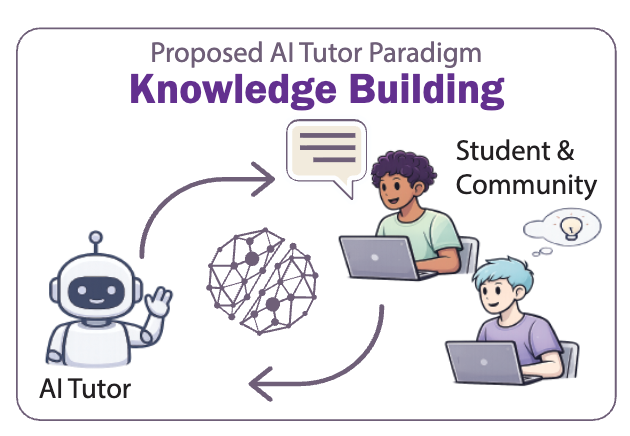
Desiderata for AI Tutors as Knowledge-Building Partners [Perspective]
Hari Subramonyam, Mayank Sharma, & Roy Pea 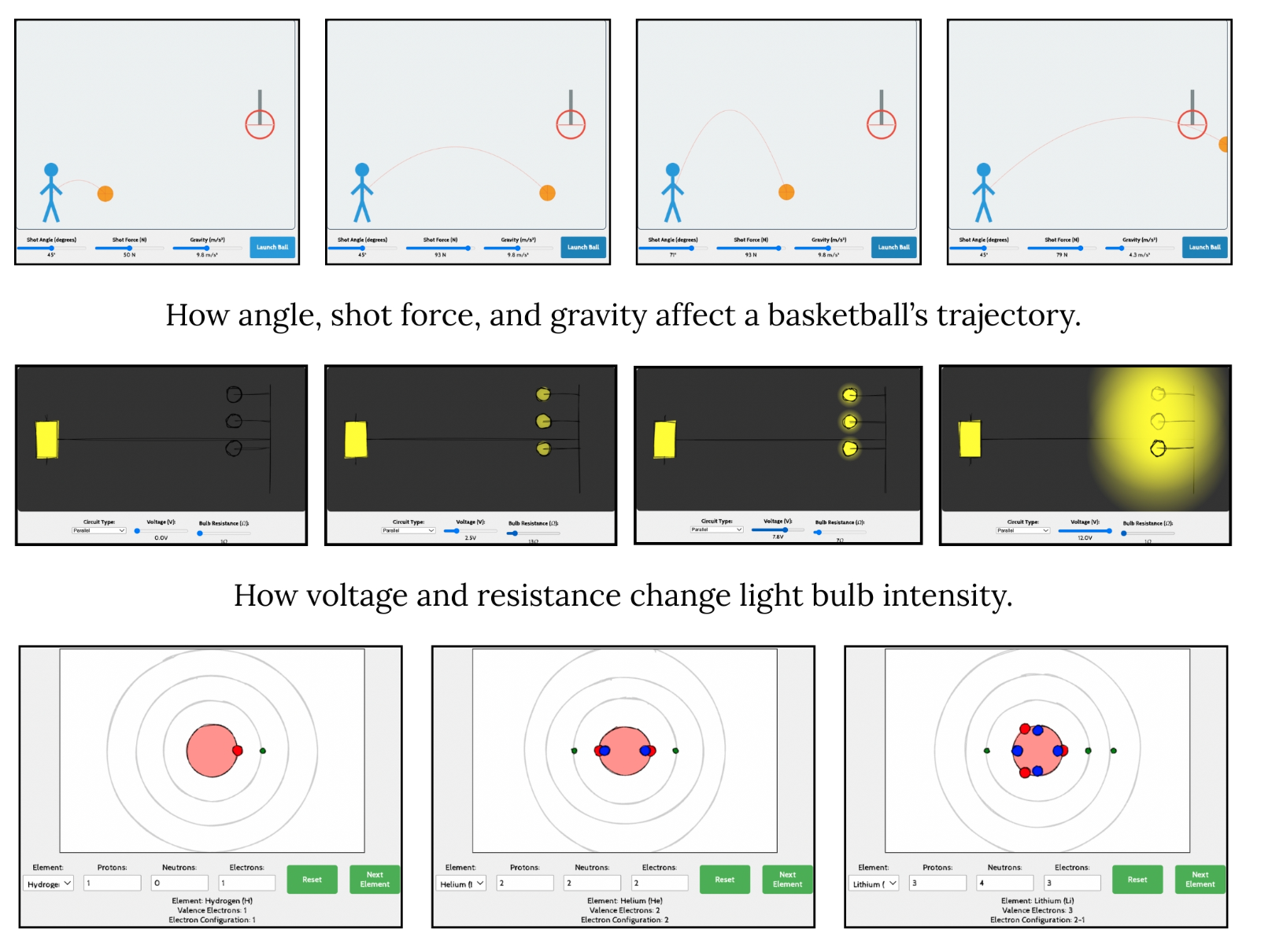
SimStep: Human-in-the-Loop Authoring of Interactive Educational Simulations Through Task-Level Abstractions [CHI '26]
Zoe Kaputa, Anika Rajaram, Vryan Almanon Feliciano, Zhuoyue Lyu, Maneesh Agrawala, & Hari Subramonyam 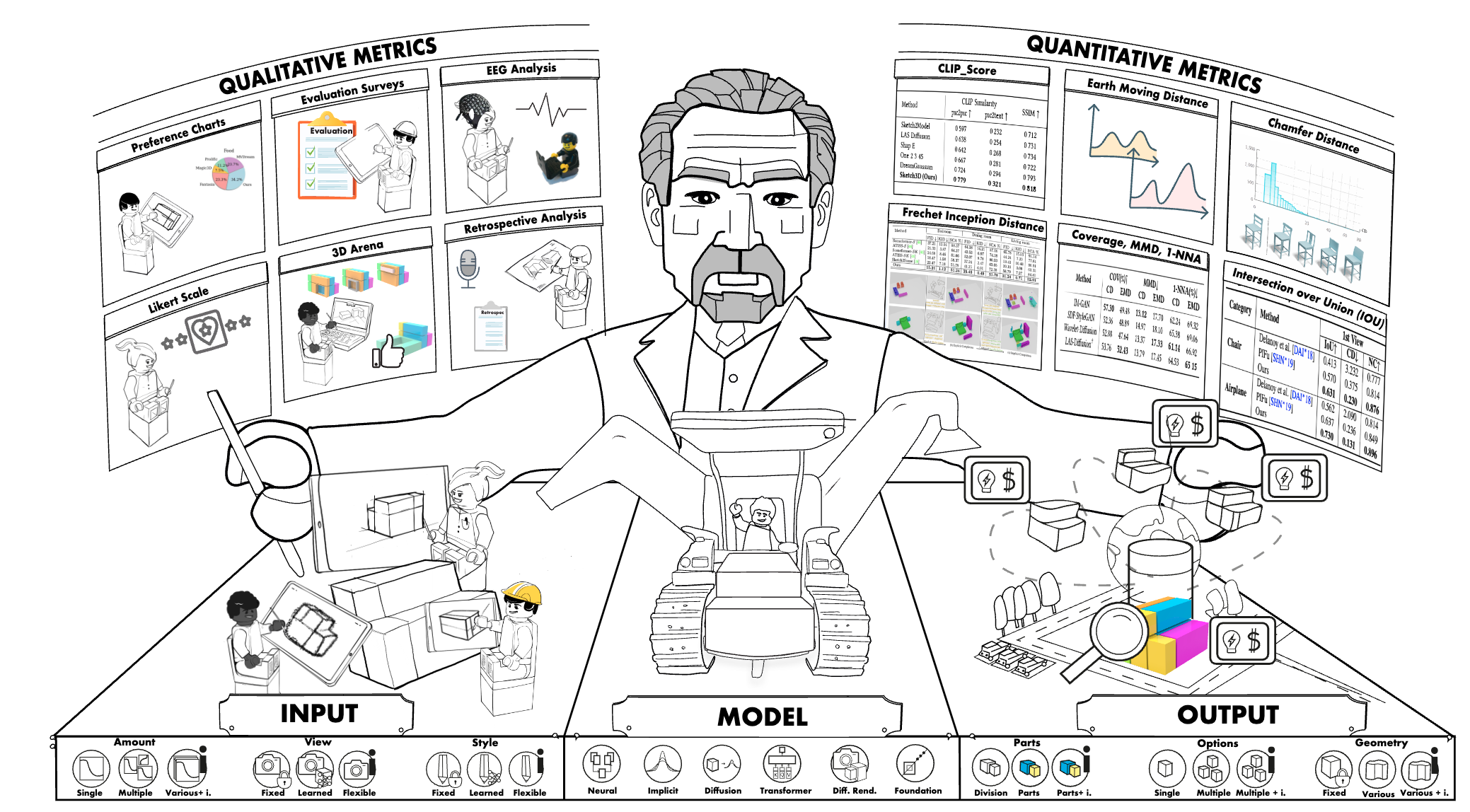
Deep Sketch-Based 3D Modeling: A Survey [Computer Graphics Forum, 2026]
Alberto Tono, Jiajun Wu, Gordon Wetzstein, Iro Armeni, Martin Fischer, Hariharan Subramonyam, & James Landay 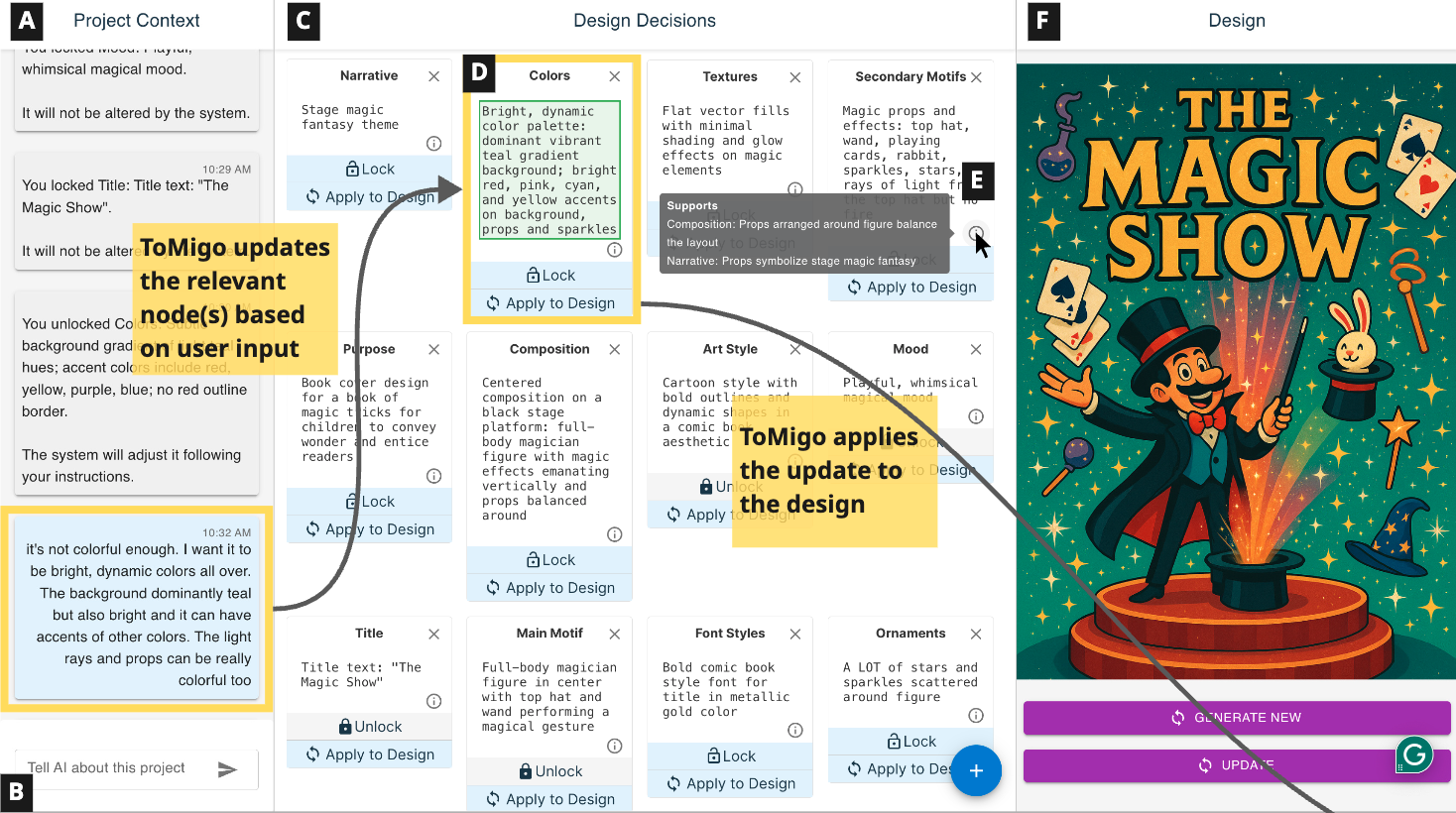
ToMigo: Interpretable Design Concept Graphs for Aligning Generative AI with Creative Intent [DIS '26]
Lena Hegemann, Xinyi Wen, Michael A. Hedderich, Tarmo Nurmi, & Hariharan Subramonyam 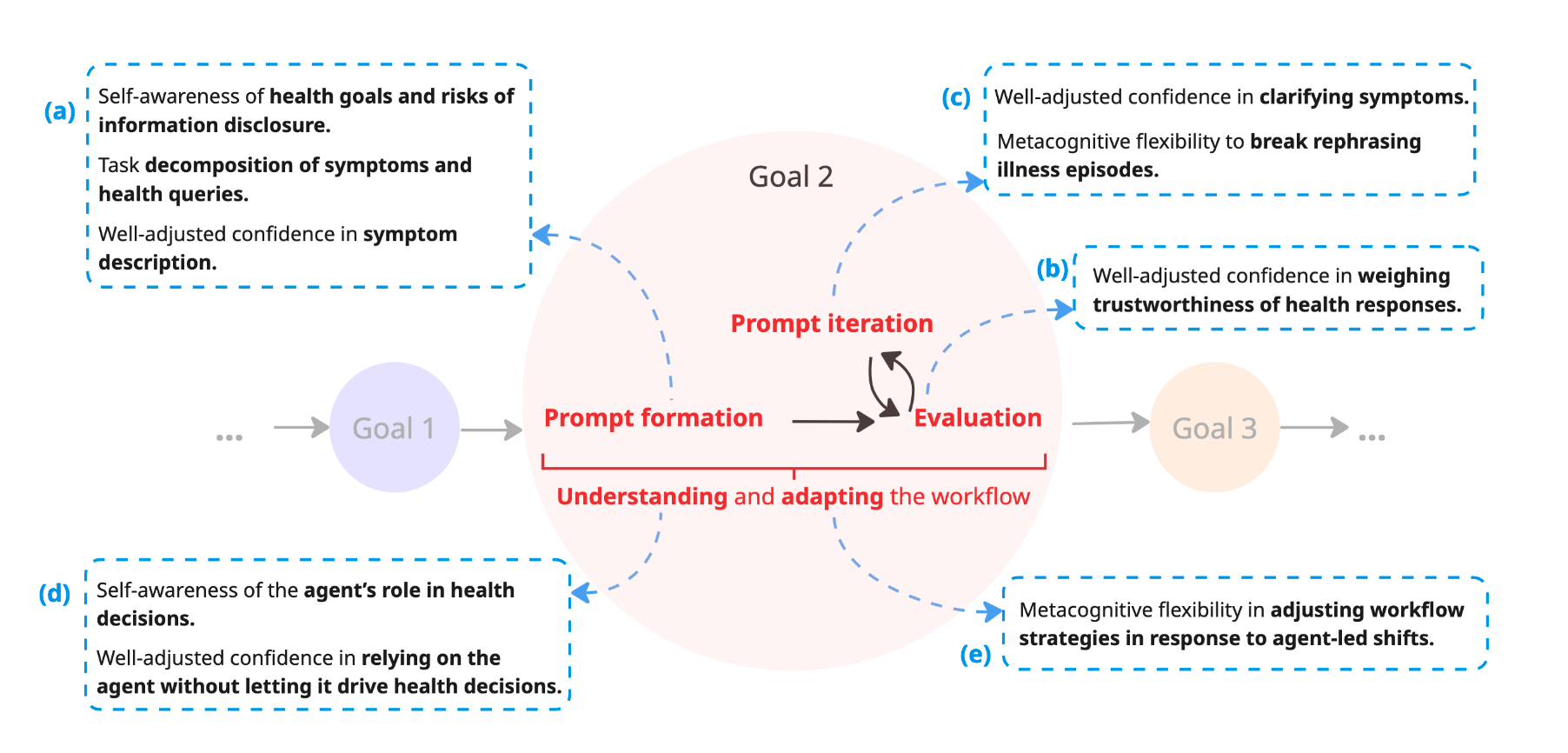
Metacognitive Demands and Strategies While Using Off-The-Shelf AI Conversational Agents for Health Information Seeking [CHI '26]
Honorable mention Shri Harini Ramesh, Foroozan Daneshzand, Babak Rashidi, Shriti Raj, Hariharan Subramonyam, & Fateme Rajabiyazdi 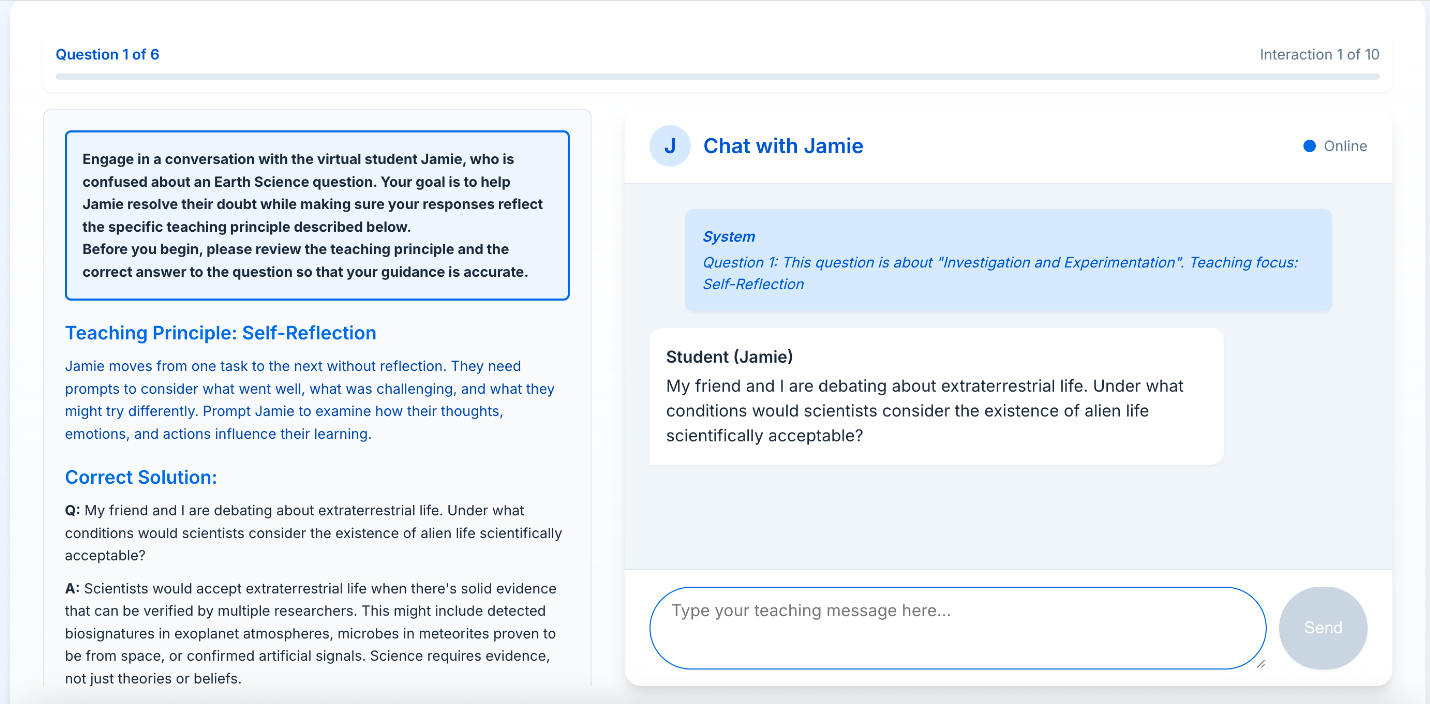
ConvoLearn: A Dataset of Constructivist Tutor-Student Dialogue
Mayank Sharma, Roy Pea, & Hari Subramonyam 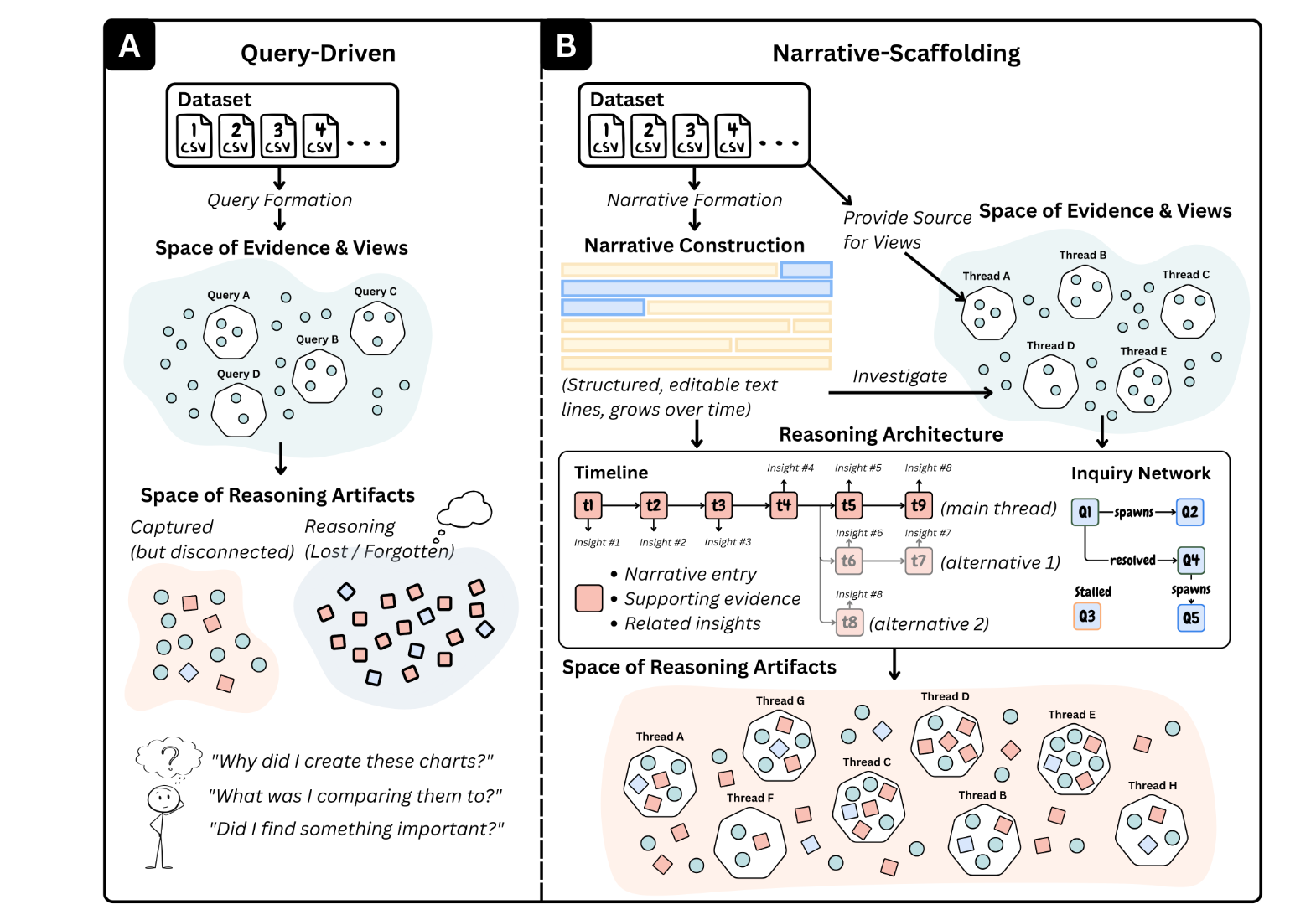
Narrative Scaffolding: A Narrative-First Framework for Data-Driven Sensemaking [IUI '26]
Oliver Huang, Muhammad Fatir, Steven Luo, Sangho Suh, Hari Subramonyam, & Carolina Nobre 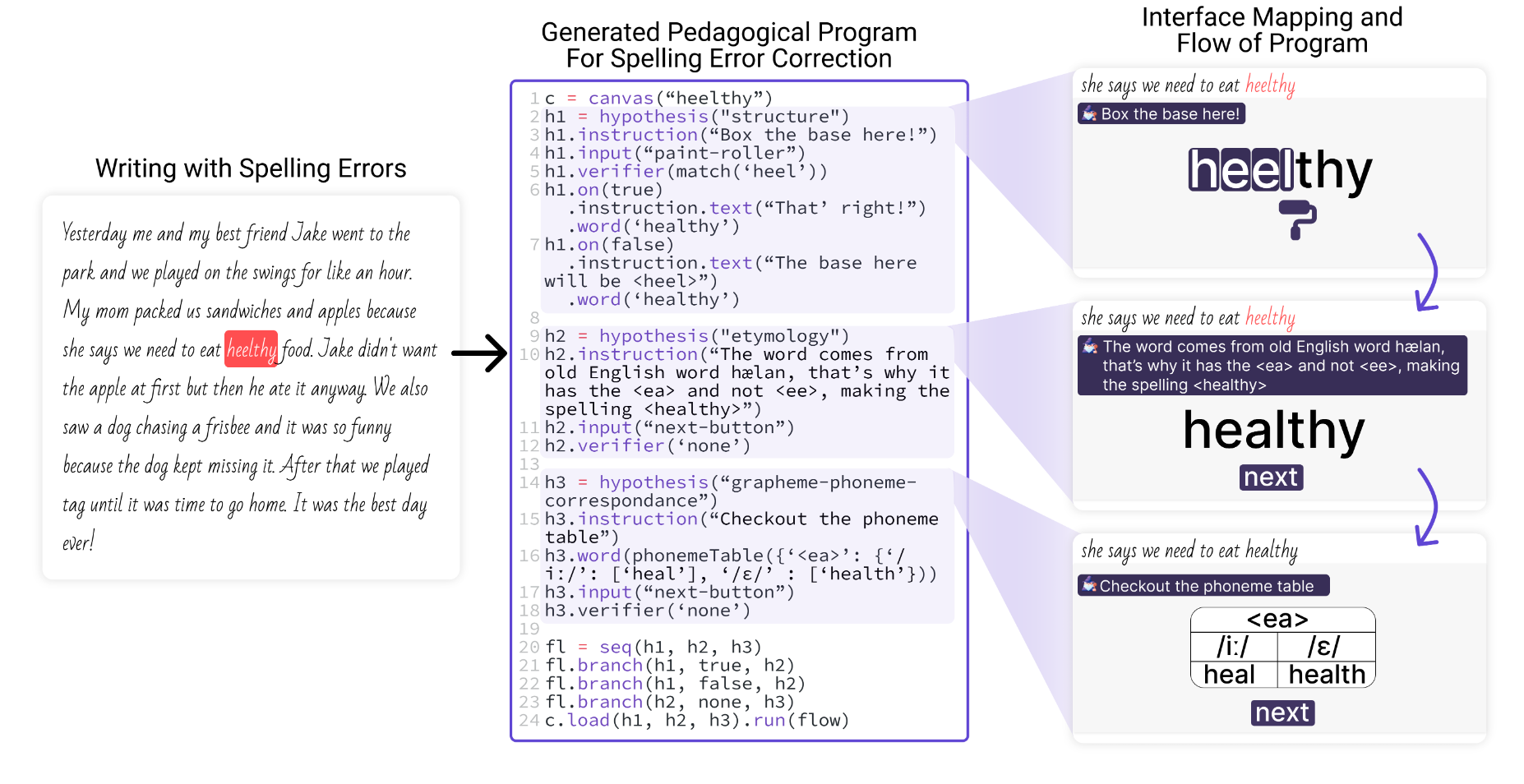
Teaching Spell Checkers to Teach: Pedagogical Program Synthesis for Interactive Learning [IUI '26]
Momin N. Siddiqui, Vincent Cavez, Sahana Rangasrinivasan, Abbie Olszewski, Srirangaraj Setlur, Maneesh Agrawala, & Hari Subramonyam 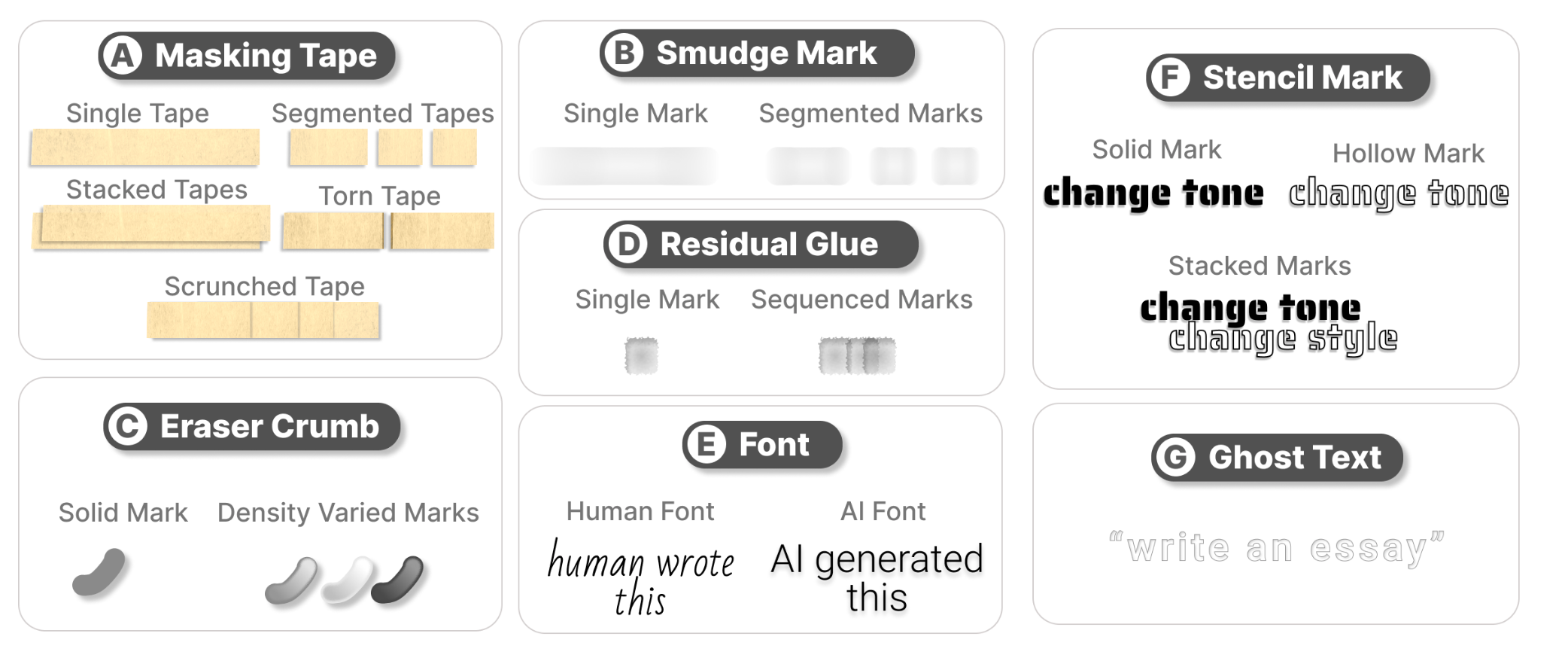
DraftMarks: Enhancing Transparency in Human-AI Co-Writing Through Interactive Skeuomorphic Process Traces [CHI '26]
Momin N. Siddiqui, Nikki Nasseri, Adam Coscia, Roy Pea, & Hari Subramonyam 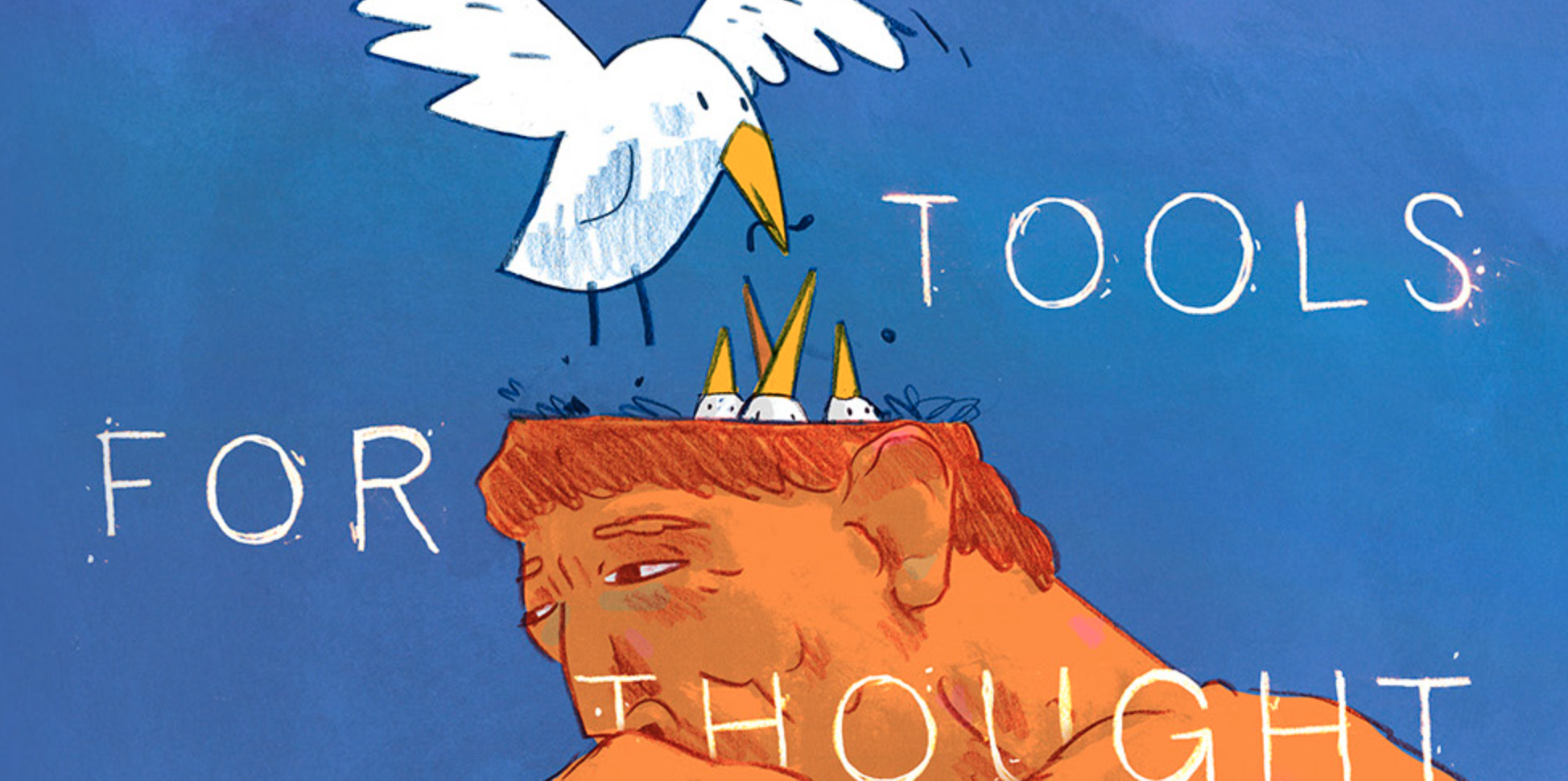
Understanding, Protecting, and Augmenting Human Cognition with Generative AI: A Synthesis of the CHI 2025 Tools for Thought Workshop
Lev Tankelevitch, Elena L. Glassman, Jessica He, Aniket Kittur, Mina Lee, Srishti Palani, Advait Sarkar, Gonzalo Ramos, Yvonne Rogers, & Hari Subramonyam 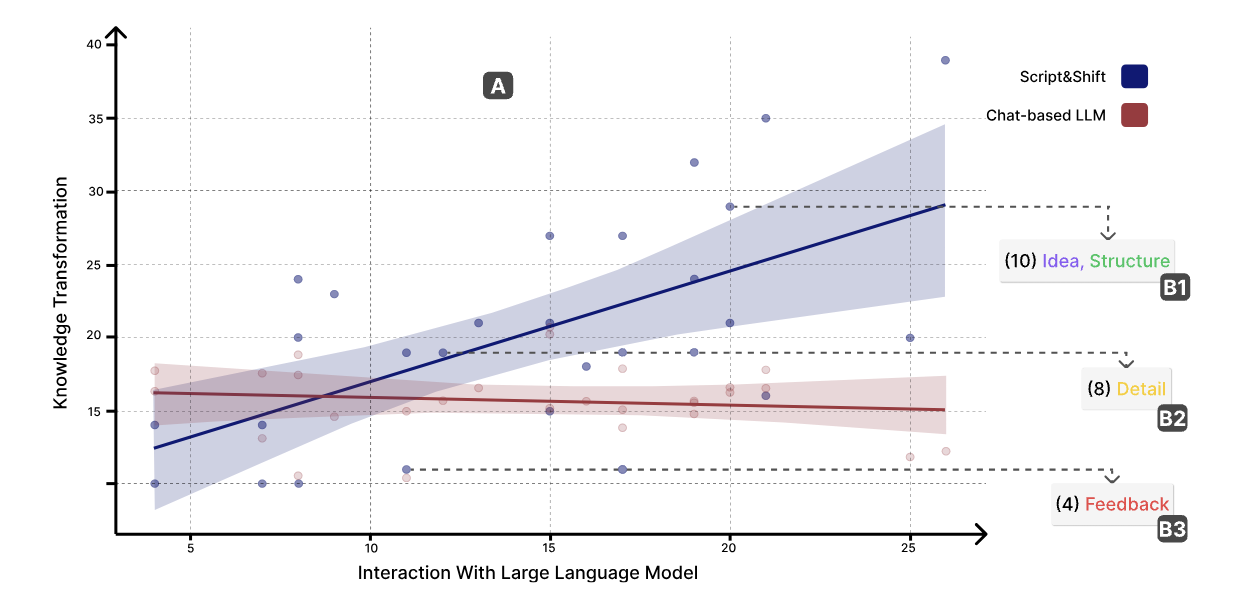
AI in the Writing Process: How Purposeful AI Support Fosters Student Writing [AIED 2025]
Momin N. Siddiqui, Vryan Feliciano, Roy Pea, & Hariharan Subramonyam 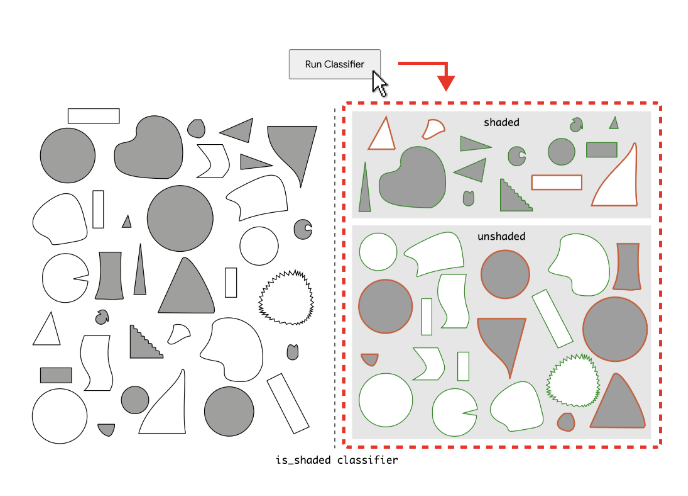
Thinking Like a Scientist: Can Interactive Simulations Foster Critical AI Literacy? [AIED 2025]
Yiling Zhao, Audrey Michel, Nithum Thain, & Hariharan Subramonyam 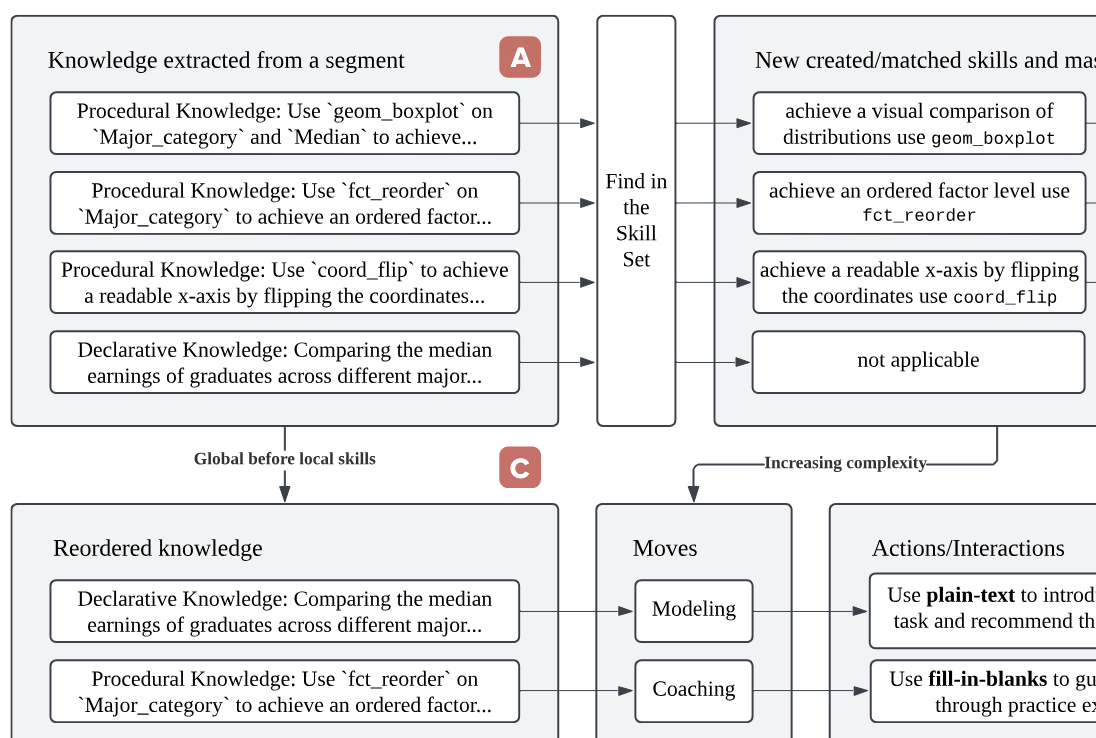
CogGen: A Learner-Centered Generative AI Architecture for Intelligent Tutoring with Programming Videos. [AIED 2025]
Wengxi Li, Roy Pea, Nick Haber, & Hariharan Subramonyam 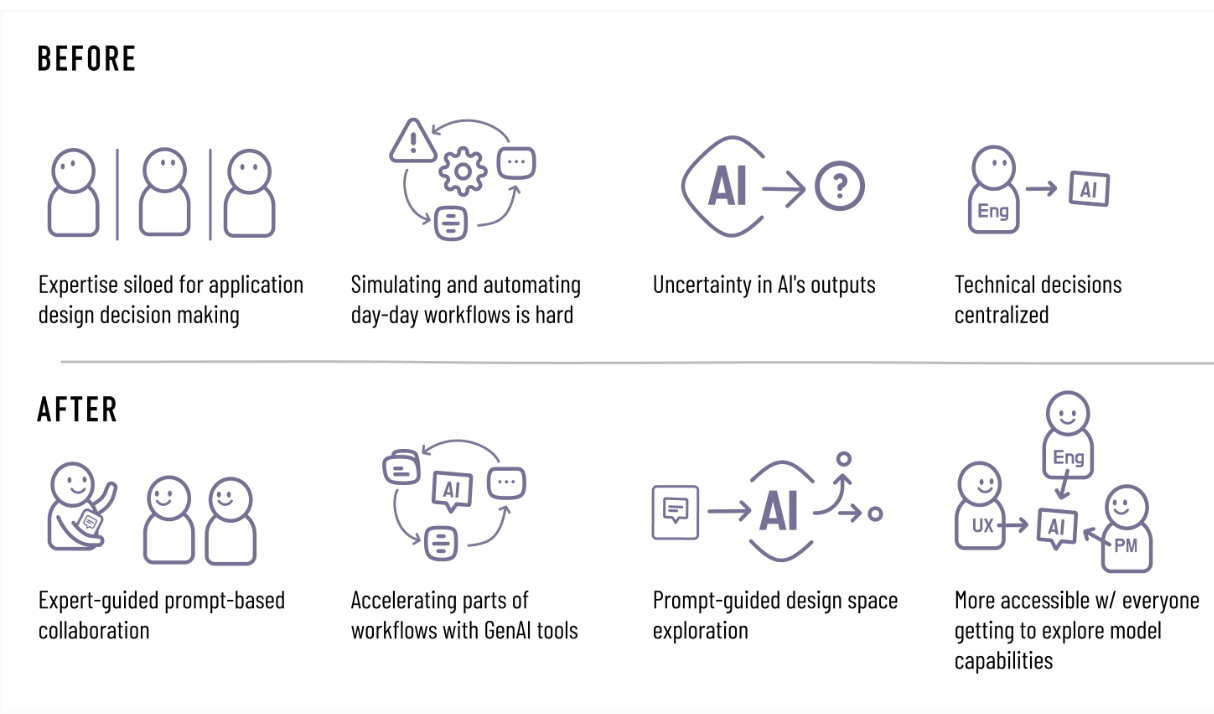
Prototyping with Prompts: Emerging Approaches and Challenges in Generative AI Design for Collaborative Software Teams. [CHI, 2025]
Best Paper
Hariharan Subramonyam, Divy Thakkar, Andrew Ku, Juergen Dieber, & Anoop K. Sinha 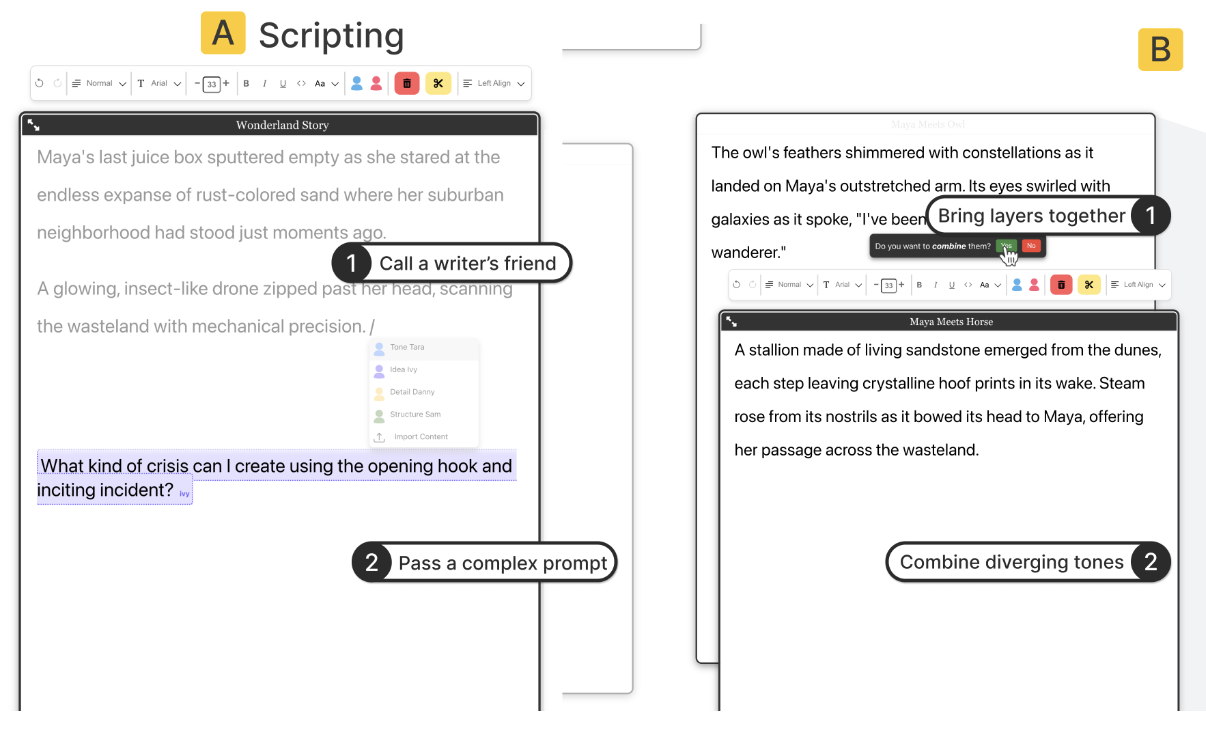
Script&Shift: A Layered Interface Paradigm for Integrating Content Development and Rhetorical Strategy with LLM Writing Assistants [CHI, 2025]
Honorable mention
Momin Naushad Siddiqui, Roy Pea, & Hariharan Subramonyam 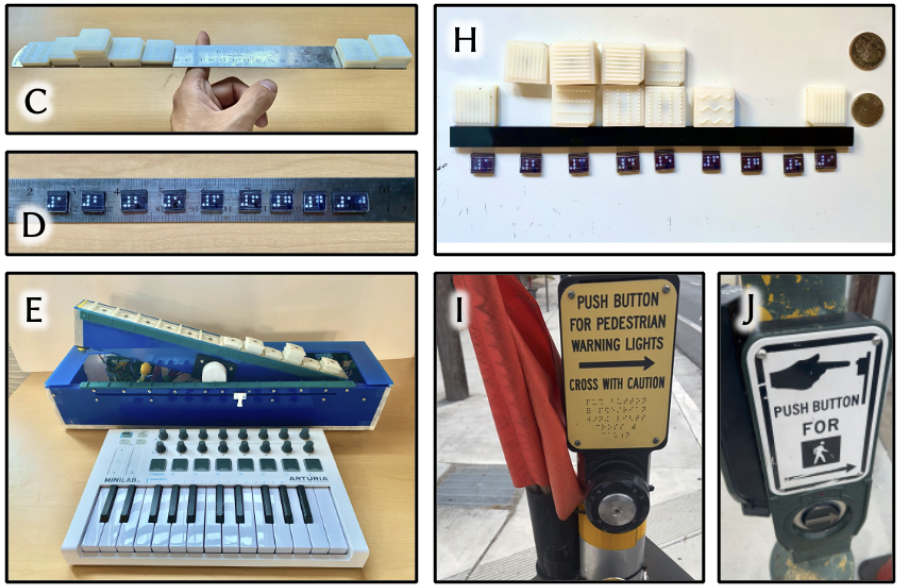
Promoting Comprehension and Engagement in Introductory Data and Statistics for Blind and Low-Vision Students: A Co-Design Study [CHI, 2025]
Danyang Fan, Olivia Tomassetti, Aya Mouallem, Gene S-H Kim, Shloke Nirav Patel, Saehui Hwang, Patricia Leader, Danielle Sugrue, Tristen Chen, Darren Reese Ou, Hariharan Subramonyam, Victor Lee, Lakshmi Balasubramanian, Sile O'Modhrain, & Sean Follmer 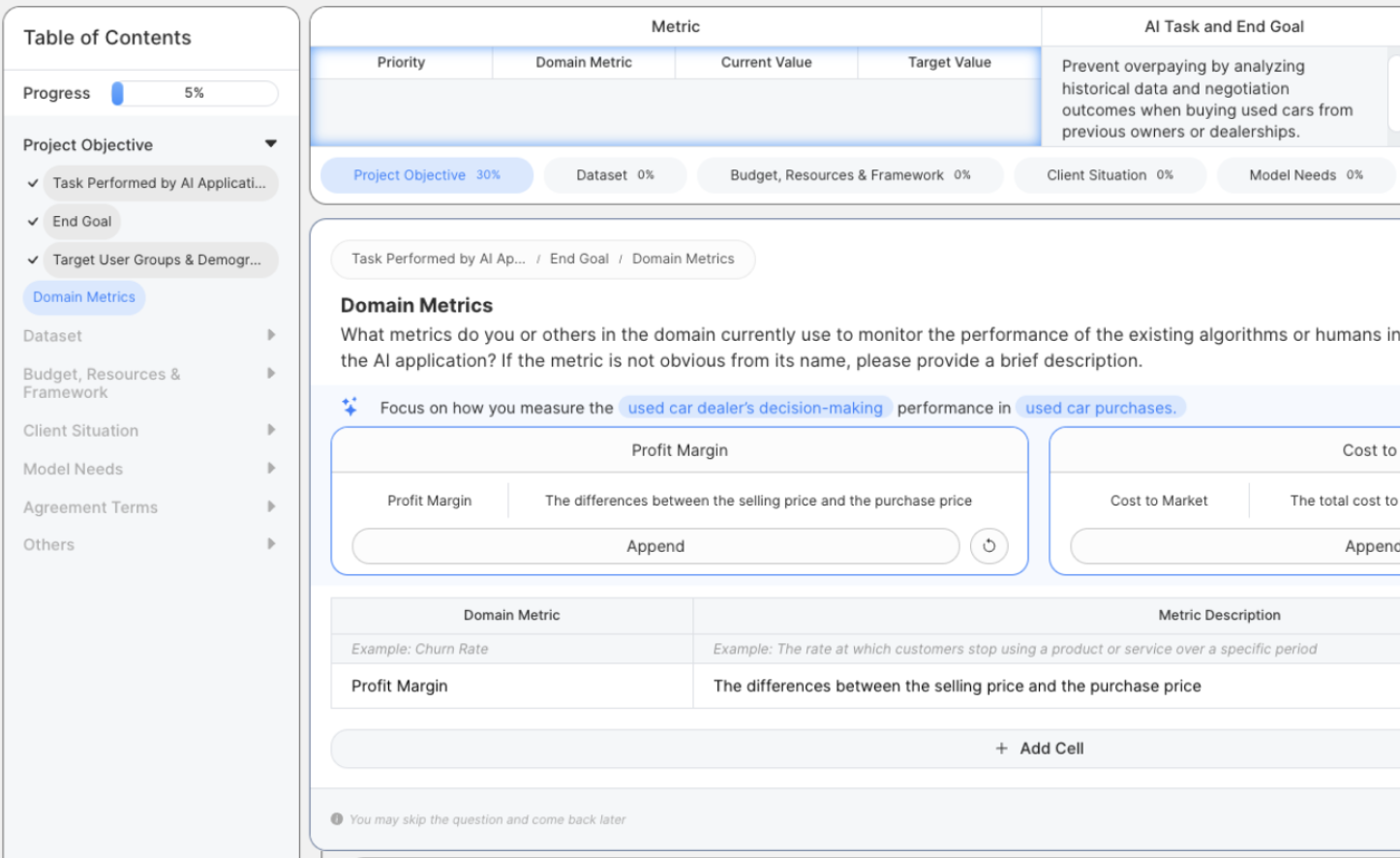
PlanTogether: Facilitating AI Application Planning Using Information Graphs and Large Language Models [CHI, 2025]
Dae Hyun Kim, Daeheon Jeong, Shakhnozakhon Yadgarova, Hyungyu Shin, Jinho Son, Hariharan Subramonyam, & Juho Kim 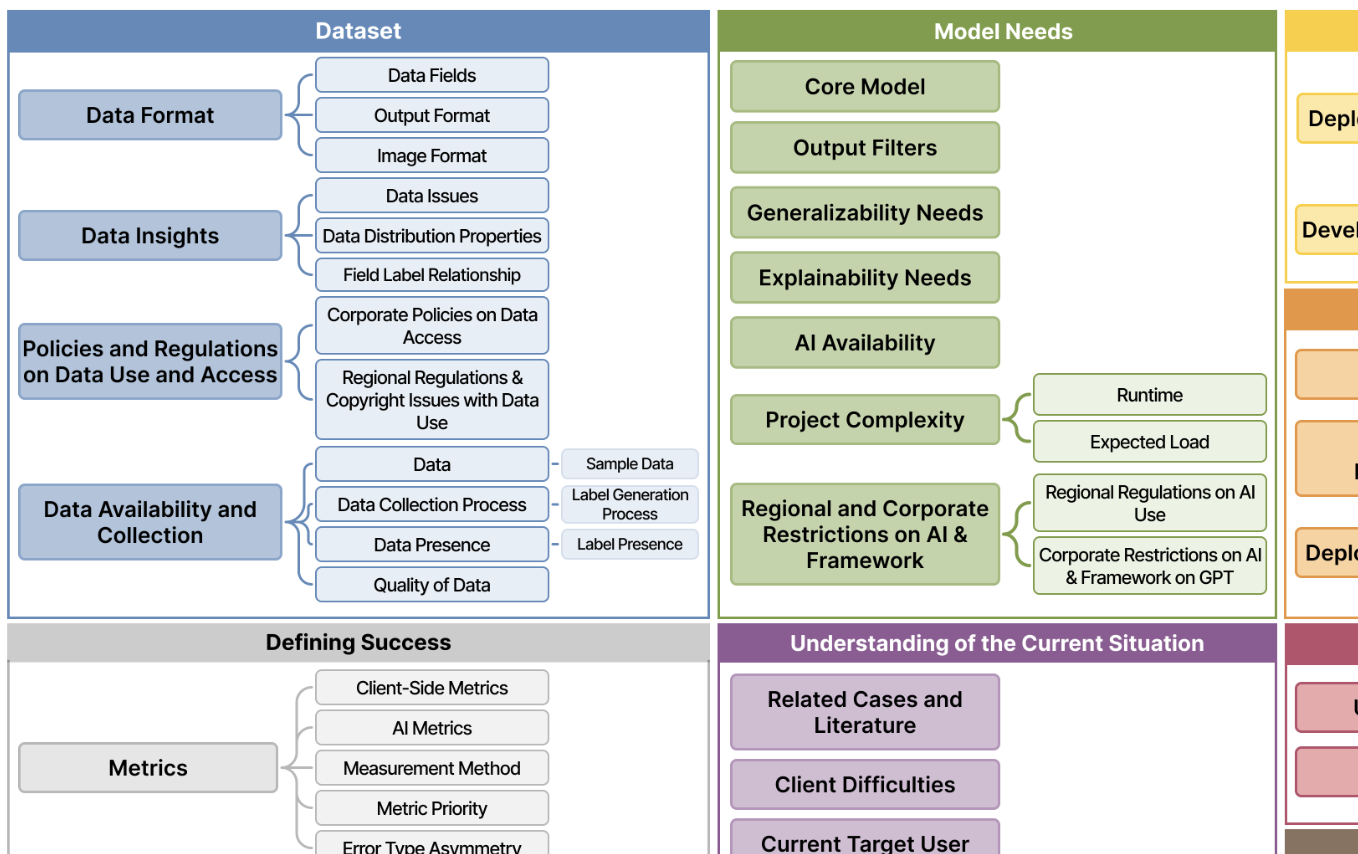
AINeedsPlanner: A Workbook to Support Effective Collaboration Between AI Experts and Clients [DIS, 2025]
Dae Hyun Kim, Hyungyu Shin, Shakhnozakhon Yadgarova, Jinho Son, Hariharan Subramonyam, & Juho Kim 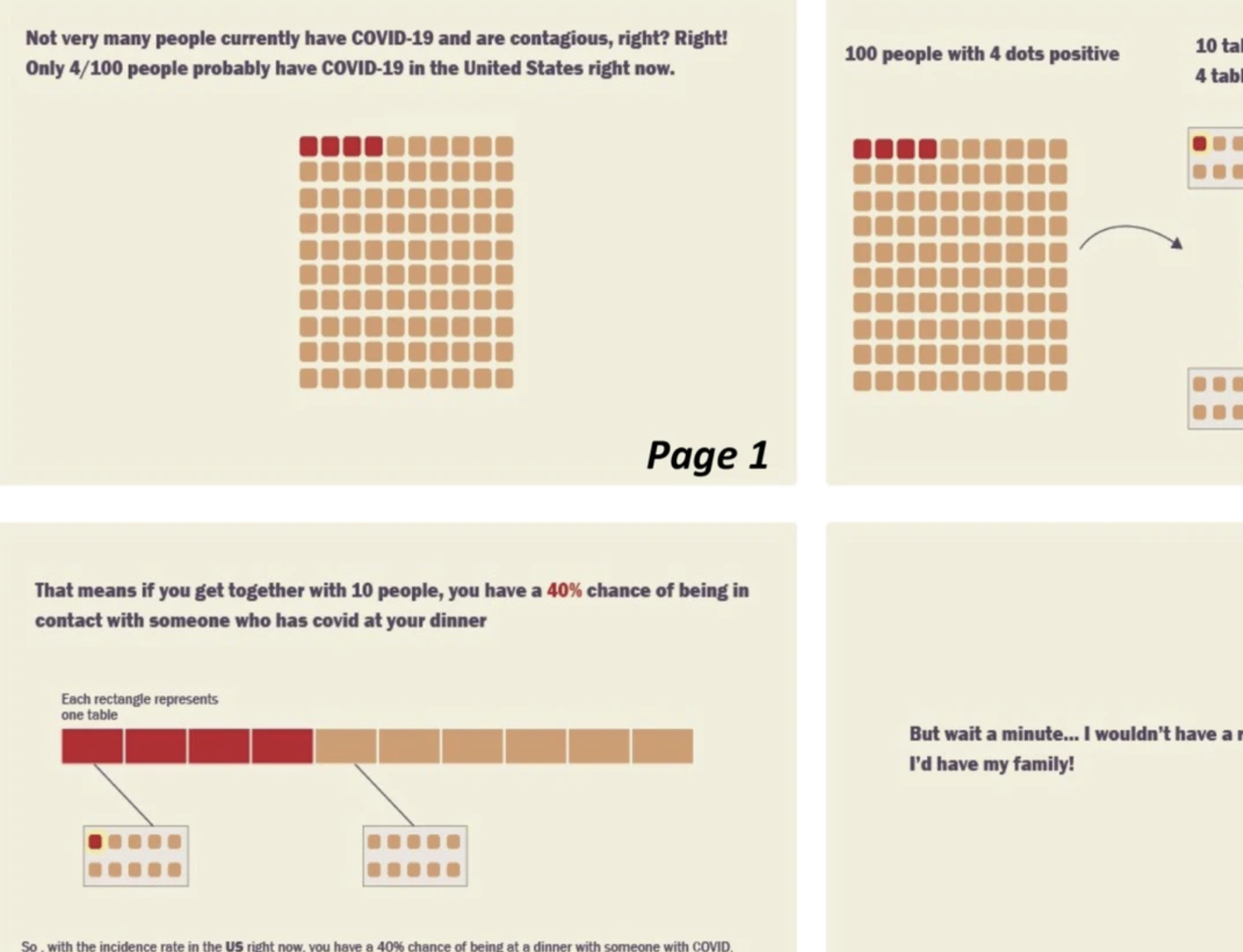
Narrative visualizations: Depicting accumulating risks and increasing trust in data [Cognitive Research: Principles and Implications, 2025]
Madison Fansher, Logan Walls, Chenxu Hao, Hariharan Subramonyam, Aysecan Boduroglu, Priti Shah, & Jessica K. Witt 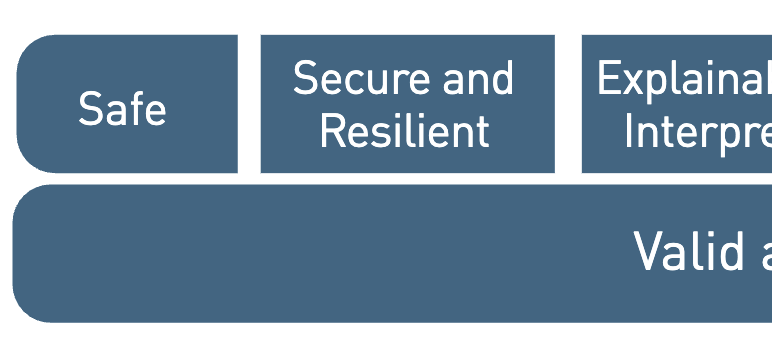
UX Matters: The Critical Role of UX in Responsible AI [Interactions 31, no. 4, 2024]
Vera Liao, Mihaela Vorvoreanu, Hariharan Subramonyam, & Lauren Wilcox 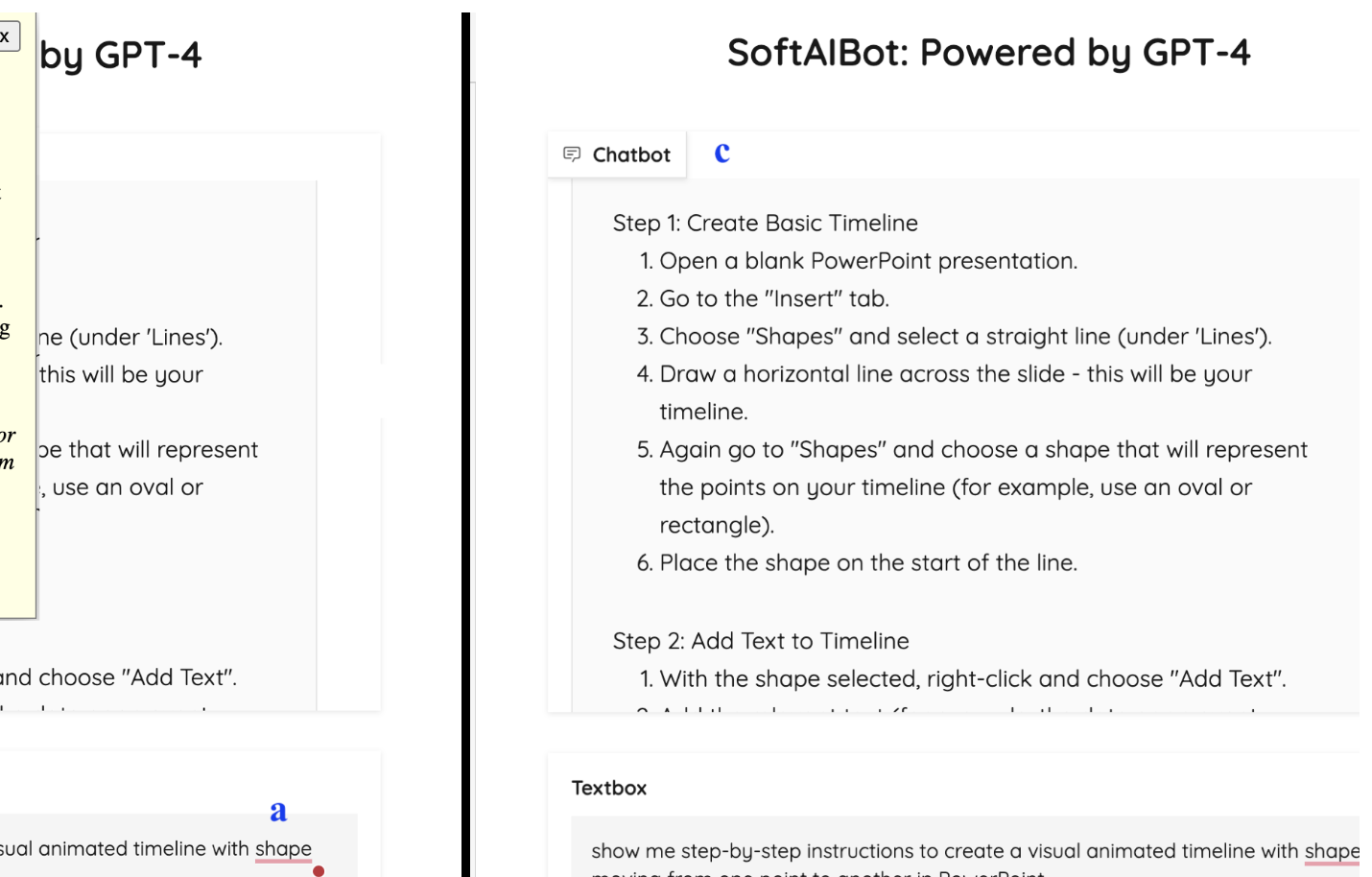
Why and When LLM-Based Assistants Can Go Wrong: Investigating the Effectiveness of Prompt-Based Interactions for Software Help-Seeking [IUI, 2024]
Anjali Khurana, Hariharan Subramonyam, & Parmit K. Chilana 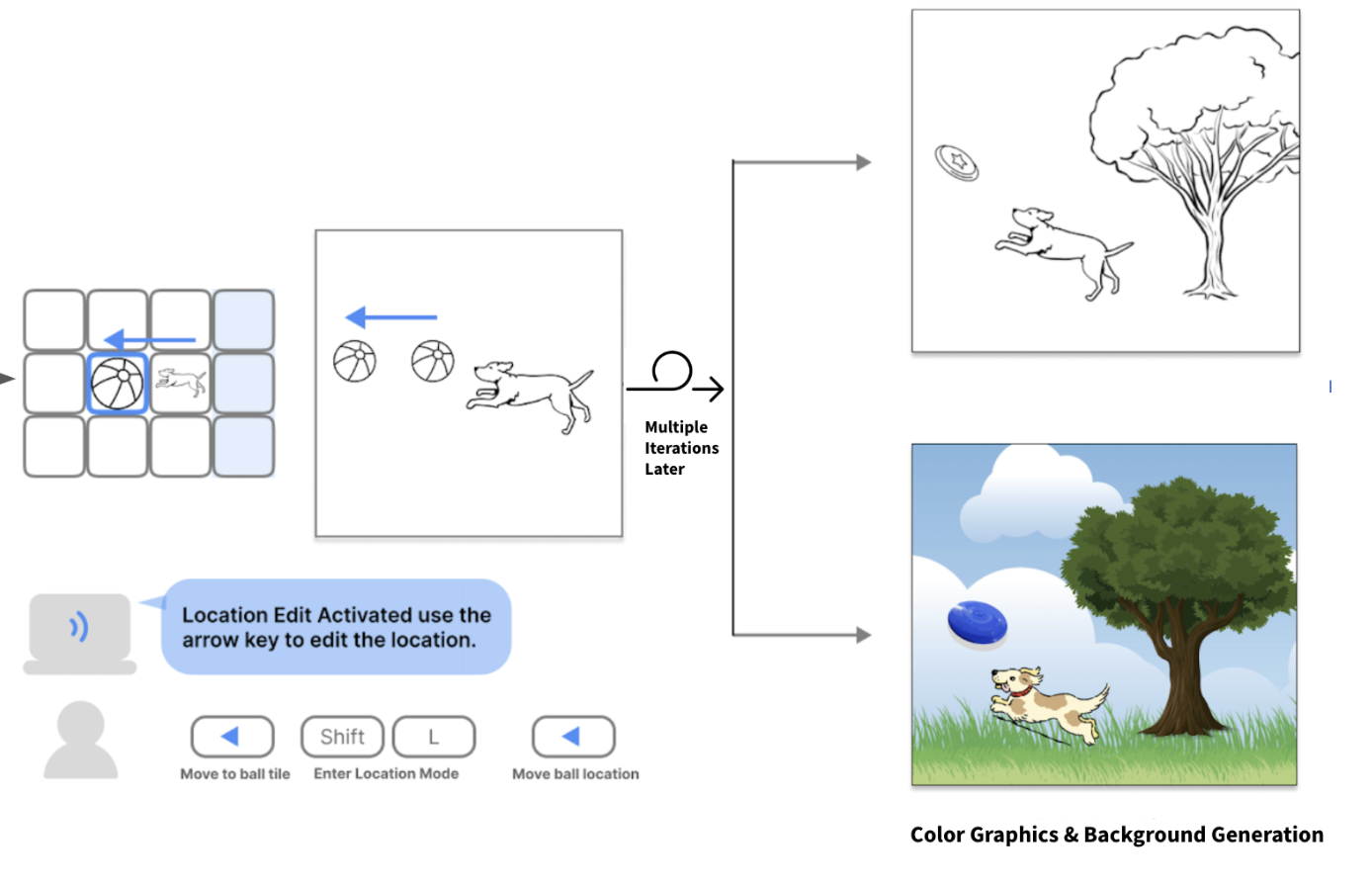
AltCanvas: A Tile-Based Image Editor with Generative AI for Blind or Visually Impaired People [ASSETS, 2024]
Seonghee Lee, Maho Kohga, Steve Landau, Sile O'Modhrain, & Hariharan Subramonyam 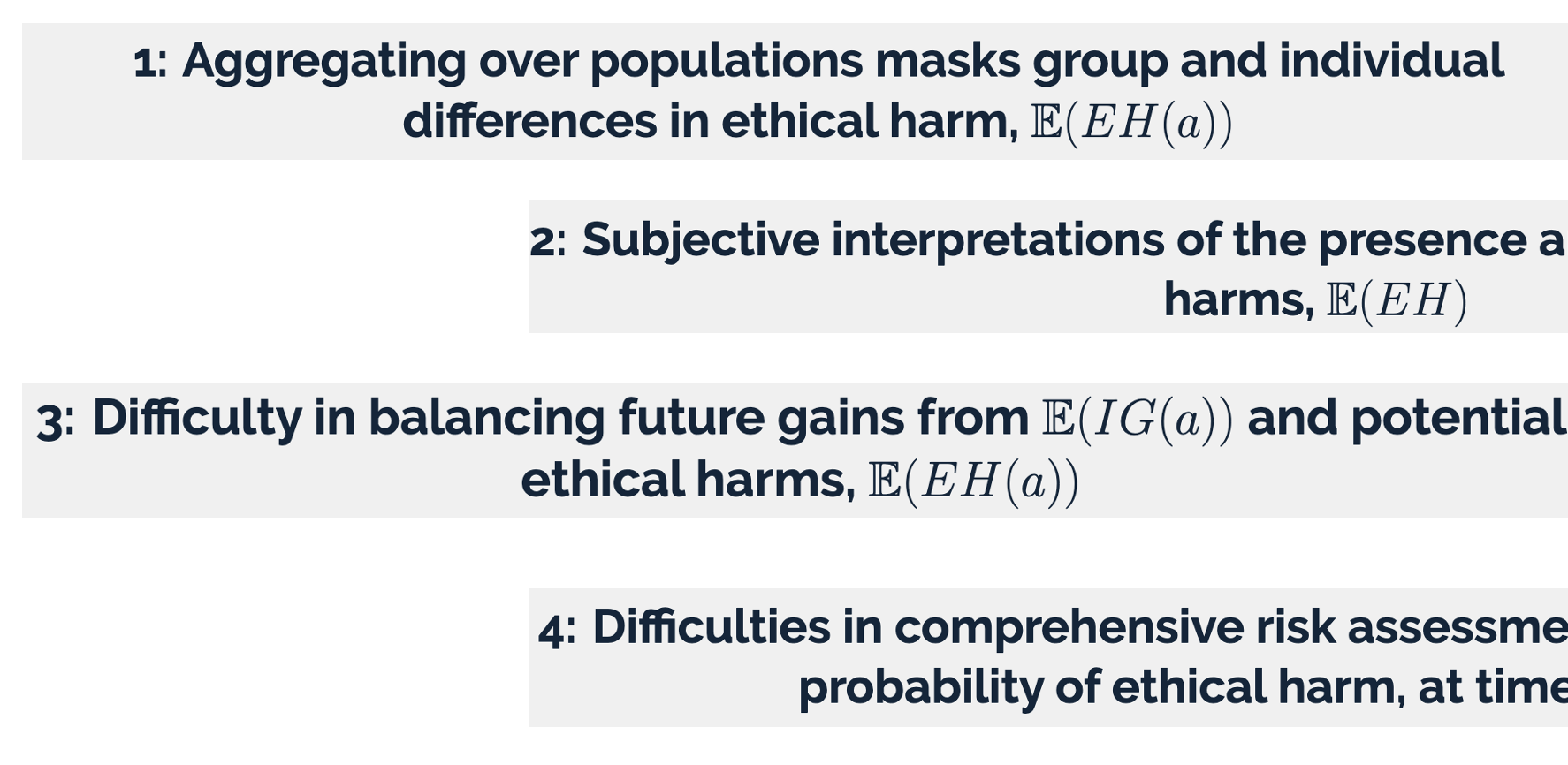
A Conceptual Framework for Ethical Evaluation of Machine Learning Systems [AIES, 2024]
Neha Gupta, Jessica Hullman, & Hariharan Subramonyam 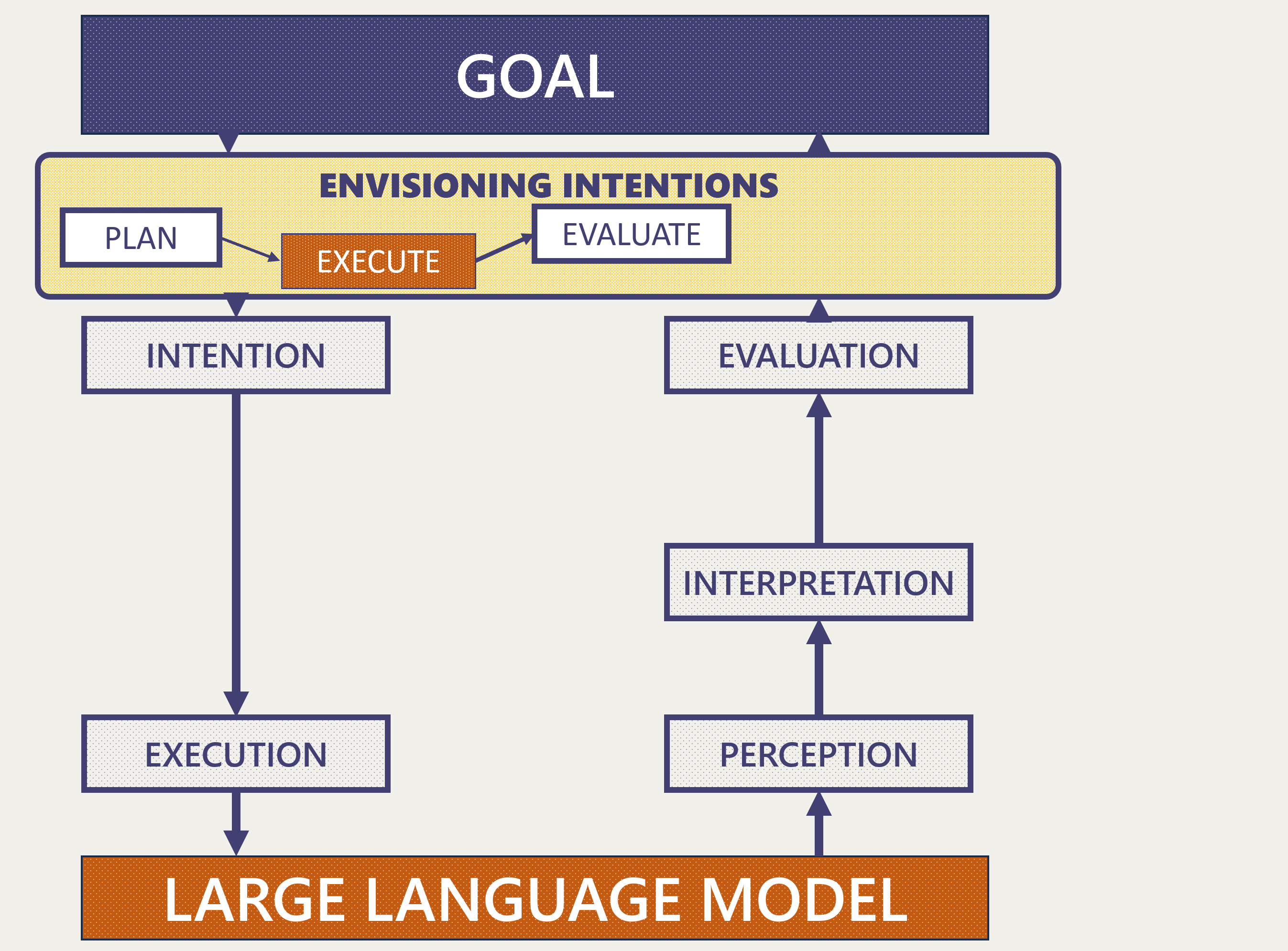
Bridging the Gulf of Envisioning: Cognitive Challenges in Prompt Based Interactions with LLMs [CHI, 2024]
Hariharan Subramonyam, Christoper Lawrence Pondoc, Colleen Seifert, Maneesh Agrawala, Roy Pea 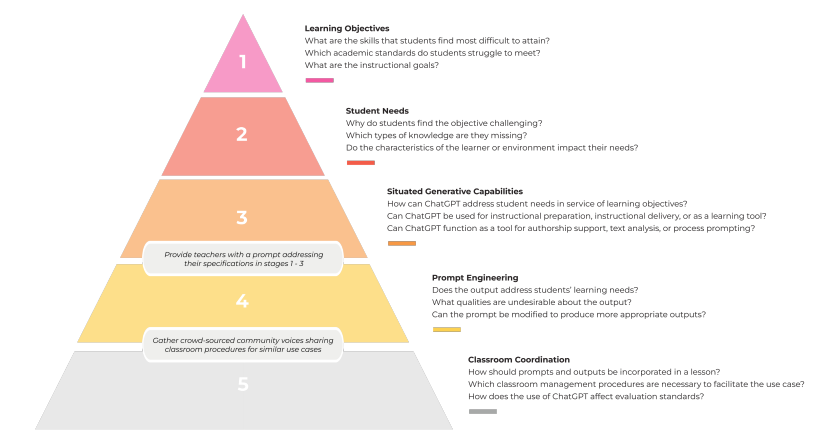
More than Model Documentation: Uncovering Teachers' Bespoke Information Needs for Informed Classroom Integration of ChatGPT [CHI, 2024]
Mei Tan, Hariharan Subramonyam 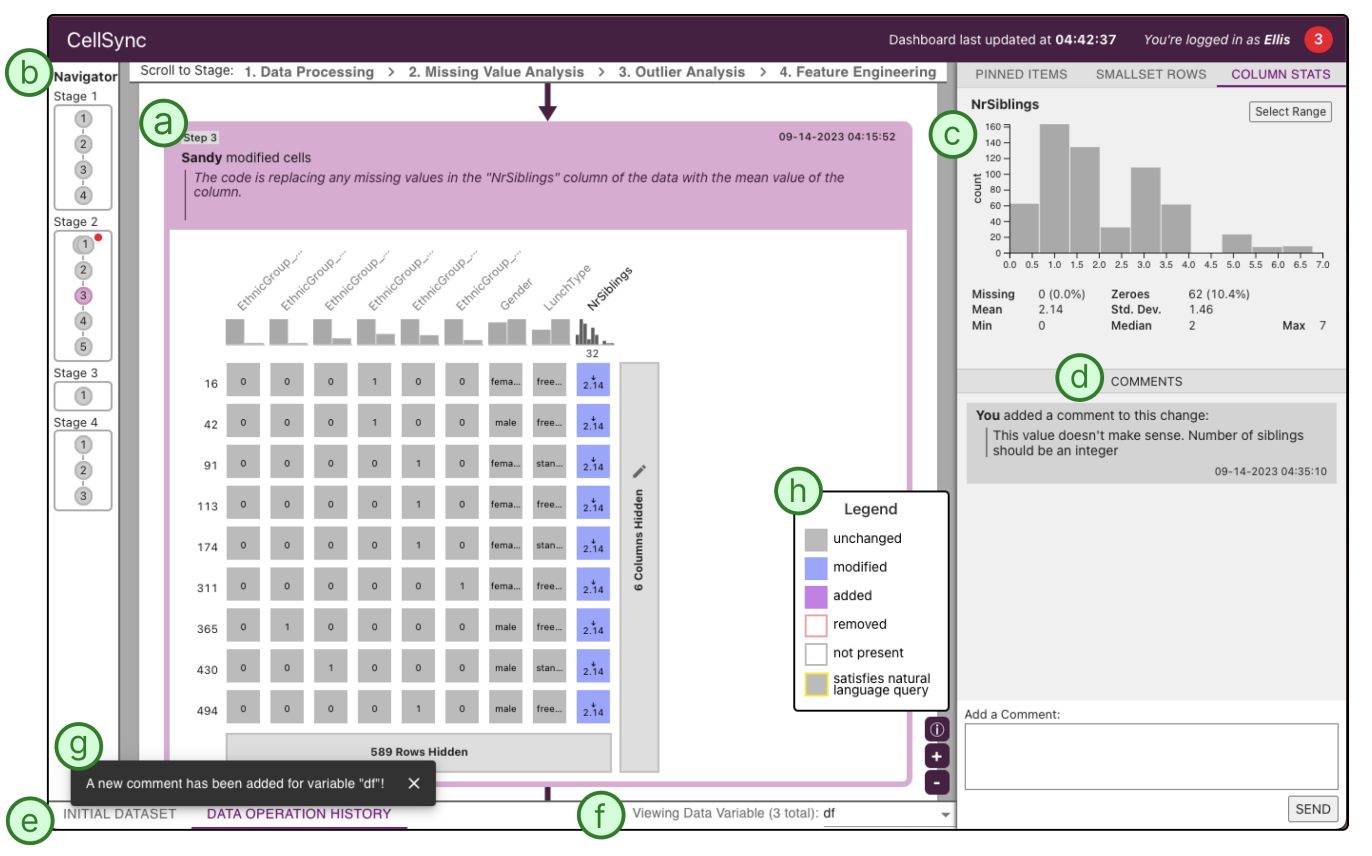
Leveraging Large Language Models to Enhance Domain Expert Inclusion in Data Science Workflows [CHI LBW, 2024]
Jasmine Shih, Vishal Mohanty, Yannis Katsis, & Hariharan Subramonyam 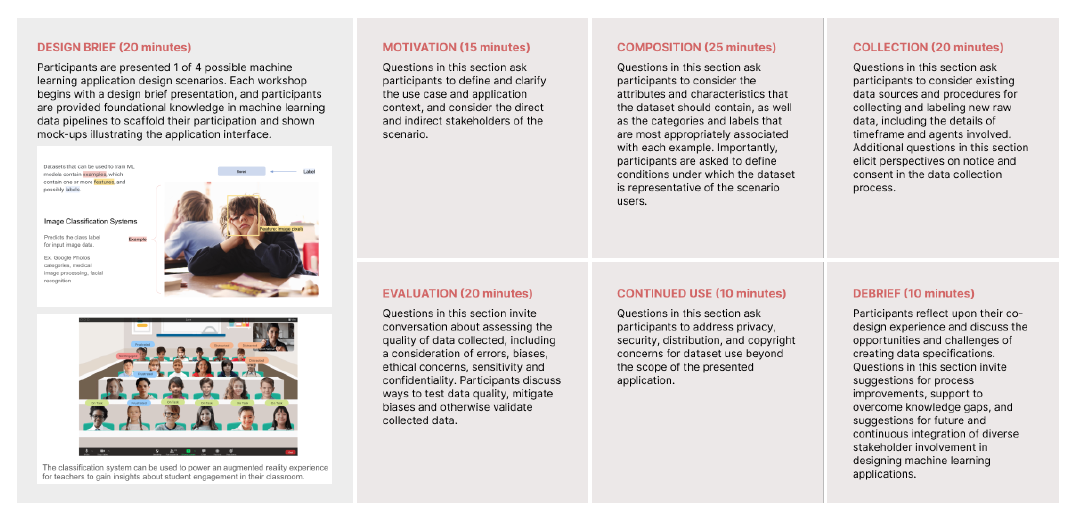
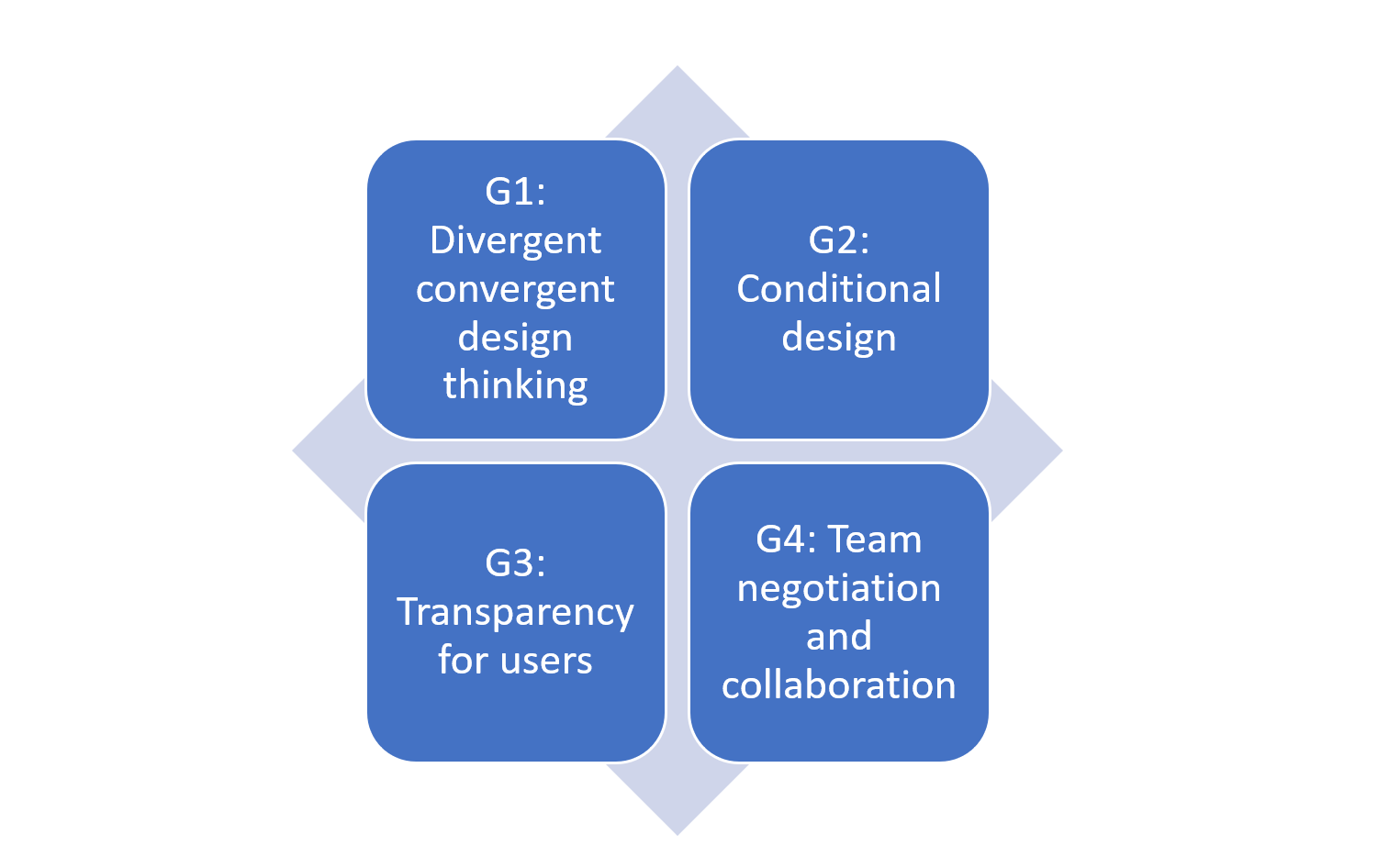
Is a Seat at the Table Enough? Engaging Teachers and Students in Dataset Specification for ML in Education [CSCW, 2024]
Mei Tan, Hansol Lee, Dakuo Wang, Hariharan Subramonyam 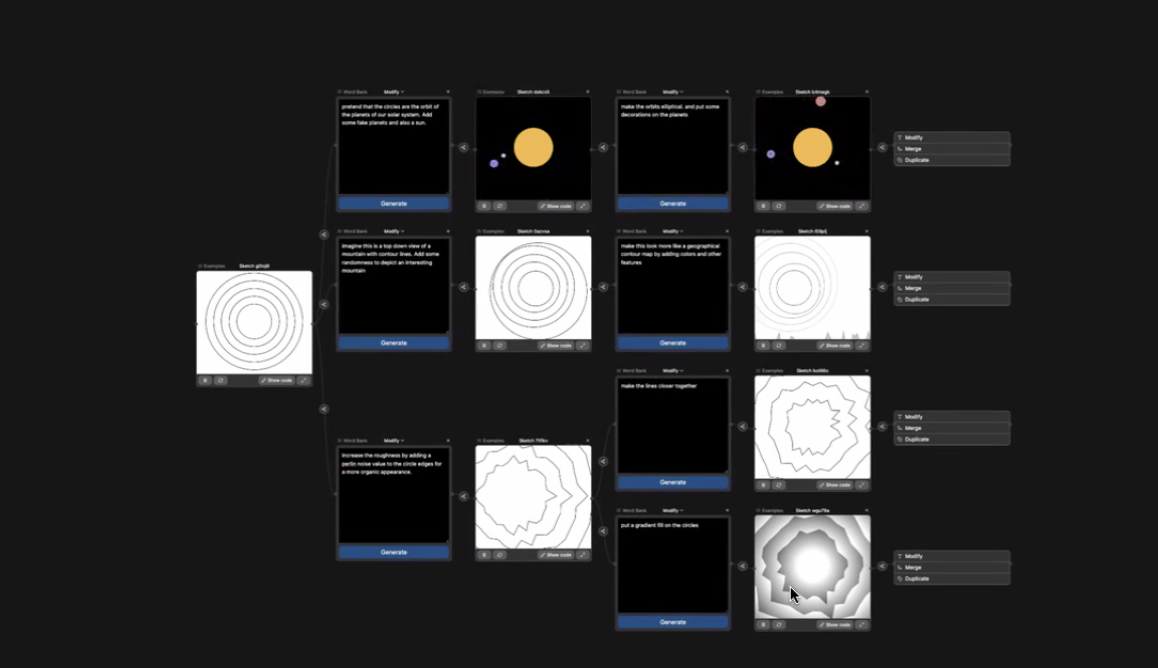
Spellburst: A Node-based Interface for Exploratory Creative Coding with Natural Language Prompts [UIST'23]
Tyler Angert, Miroslav Ivan Suzara, Jenny Han, Christopher Lawrence Pondoc, Hariharan Subramonyam PDF | VIDEO | Project Website 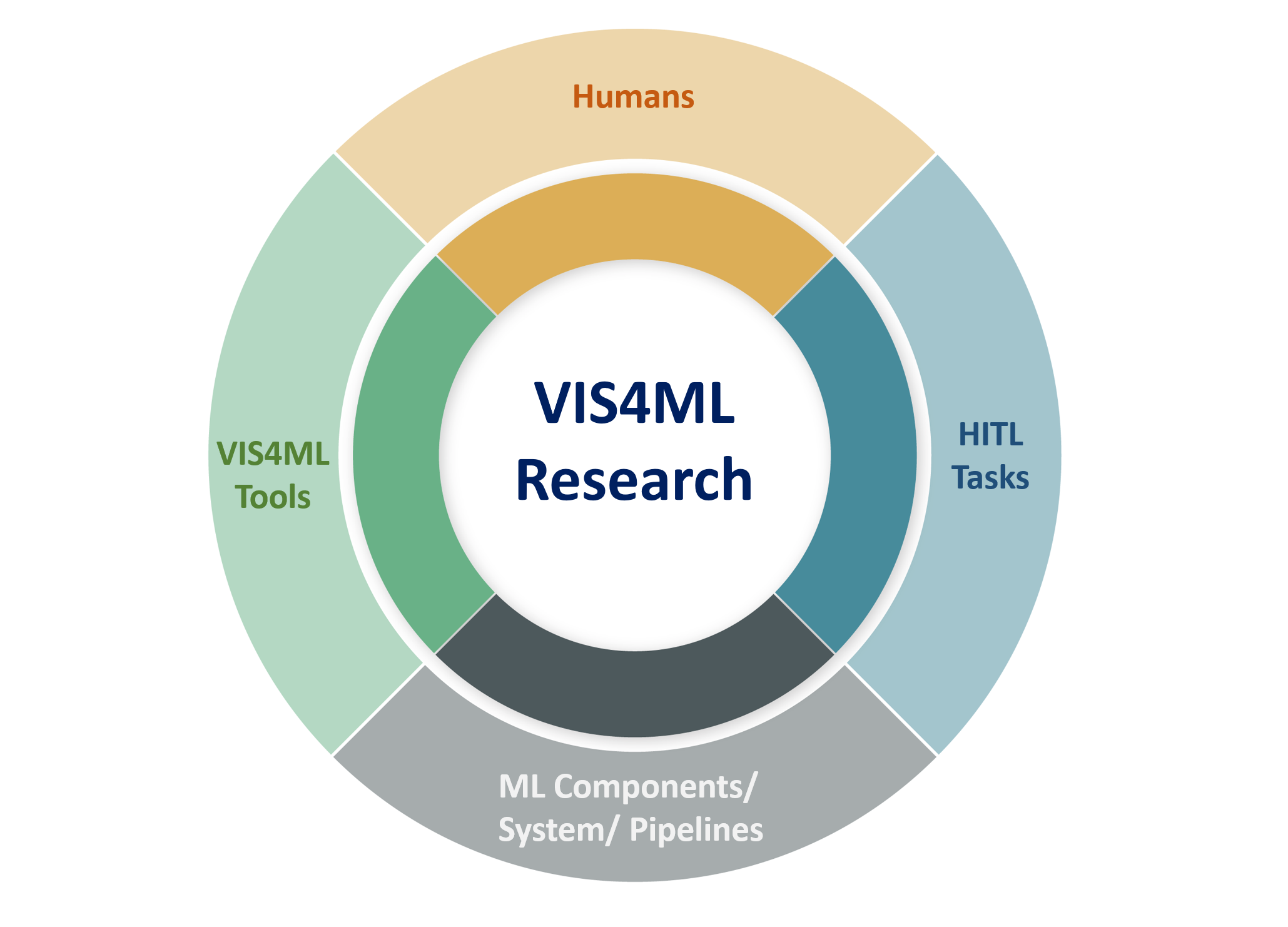
Are We Closing the Loop Yet? Gaps in the Generalizability of VIS4ML Research [IEEE VIS'23]
Hariharan Subramonyam, Jessica Hullman 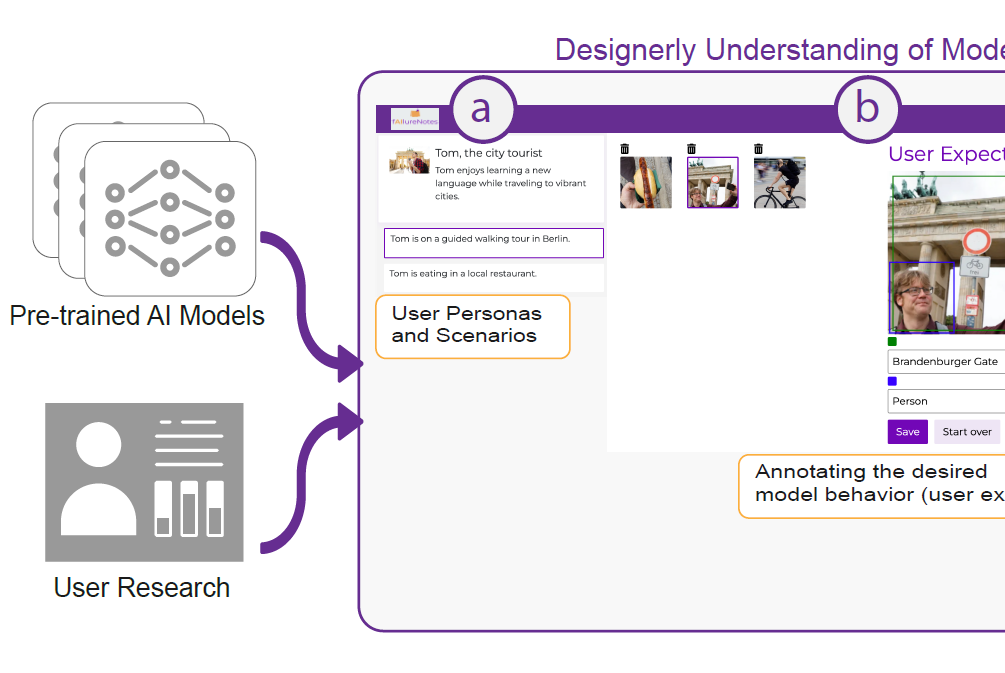
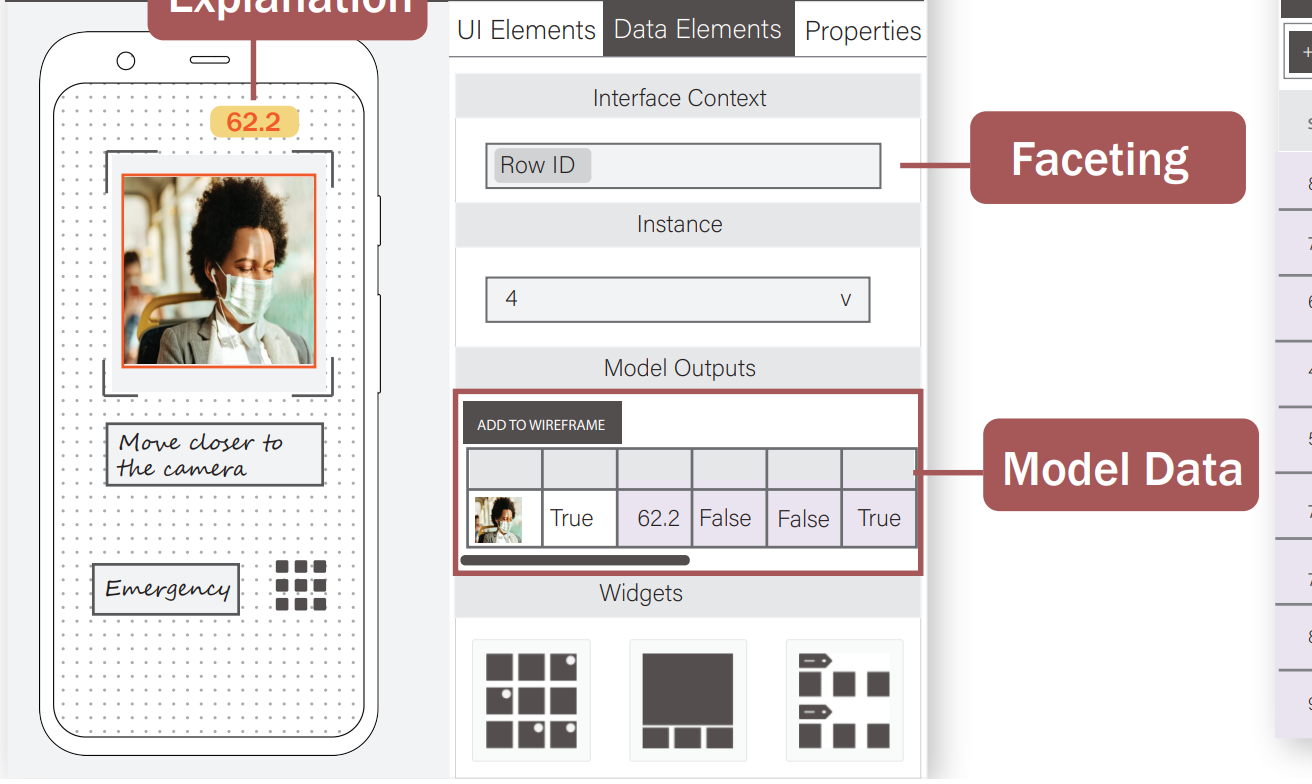
Designerly Understanding: Information Needs for Model Transparency to Support Design Ideation for AI-Powered User Experience [CHI'23]
Q. Vera Liao, Hariharan Subramonyam, Jennifer Wang, & Jennifer Wortman Vaughan 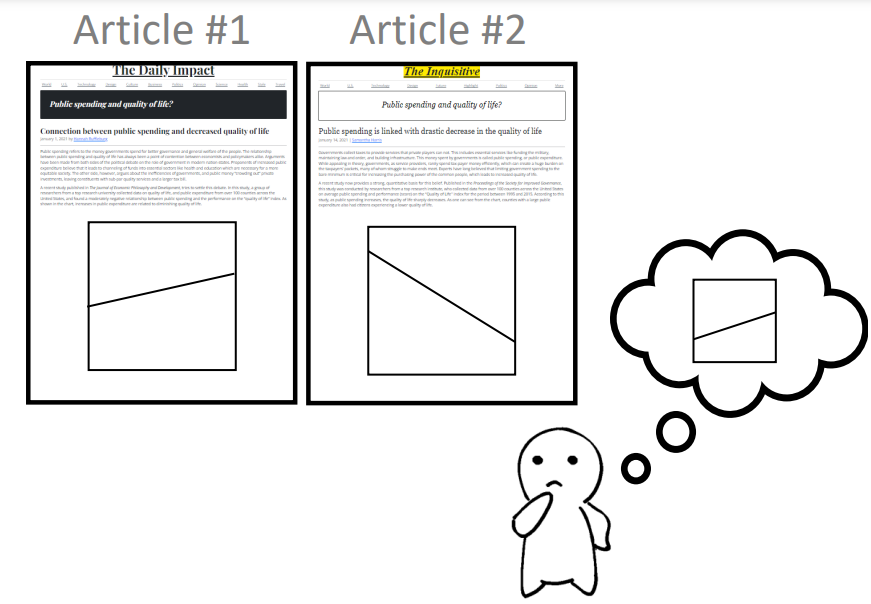
How Do Viewers Synthesize Conflicting Information from Data Visualizations? [IEEE VIS'22]
Prateek Mantri, Hariharan Subramonyam, Audrey L Michal, & Cindy Xiong 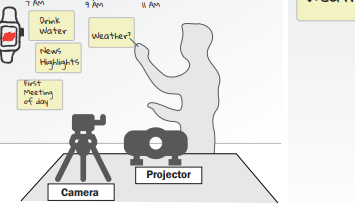
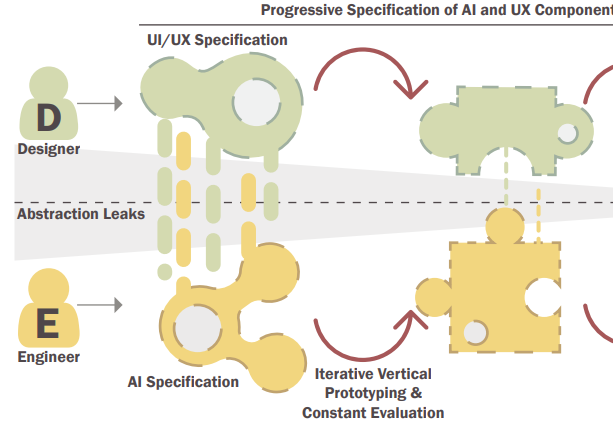

Assessing the Fairness of AI Systems: AI Practitioners' Processes, Challenges, and Needs for Support. [CSCW'22]
Michael Madaio, Lisa Egede, Hariharan Subramonyam, Jennifer Wortman Vaughan, Hanna Wallach 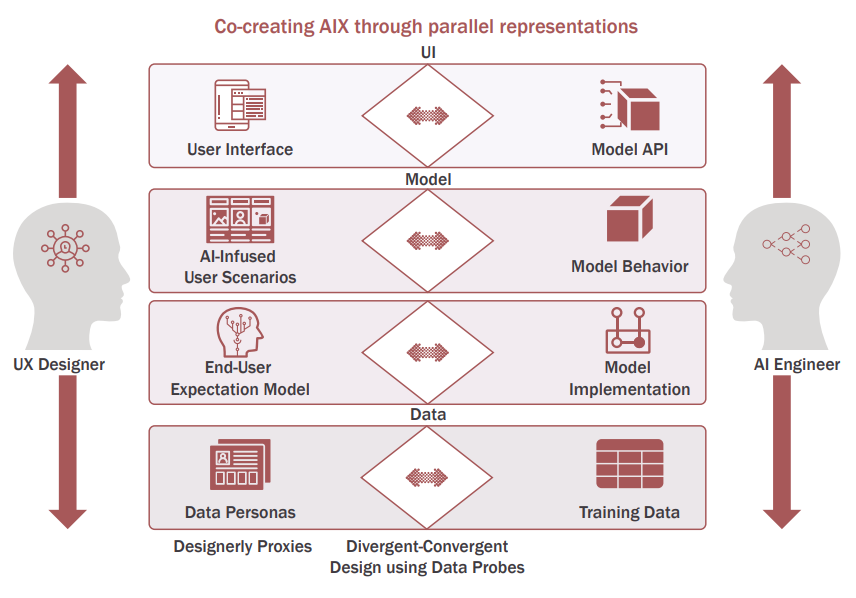
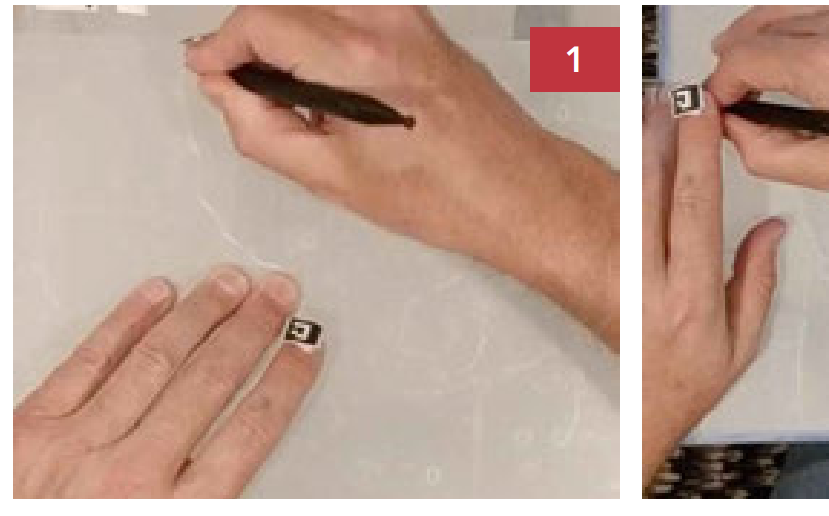
Explore, Create, Annotate: Designing Digital Drawing Tools with Visually Impaired People [CHI'20]
Maulishree Pandey, Hariharan Subramonyam, Brooke Sasia, Steve Oney, Sile O'Modhrain 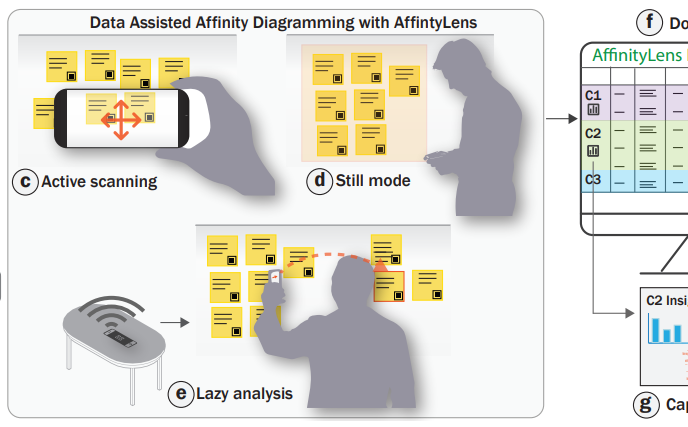
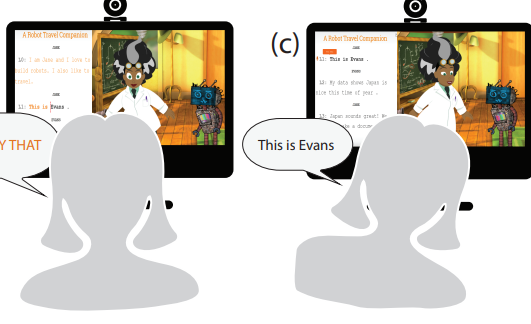
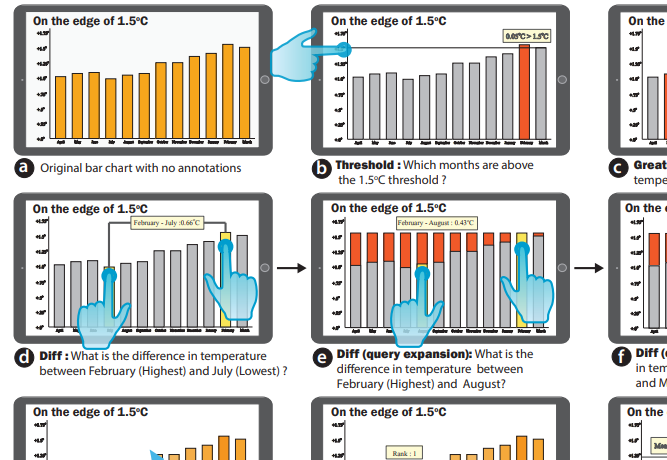
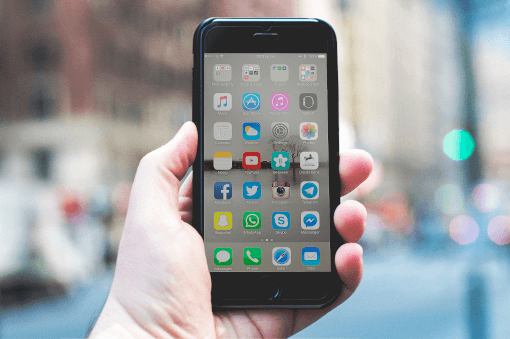
Agency in assistive technology adoption: visual impairment and smartphone use in Bangalore [CHI'17]
Joyojeet Pal, Anandhi Viswanathan, Priyank Chandra, Anisha Nazareth, Vaishnav Kameswaran, Hariharan Subramonyam, Aditya Johri, Mark S Ackerman, Sile O'Modhrain
WORKSHOPS & POSTERS
How Can Human-Centered Design Shape Data-Centric Data AI? [HCAI WORKSHOP AT NeurIPS'21 ]
Hariharan Subramonyam, Colleen Seifert, Eytan Adar
Designing Interactive Intelligent Systems for Human Learning, Creativity, and Sensemaking [UIST'19 DOCTORAL CONSORTIUM]
Hariharan Subramonyam
Data dialog: facilitating collaborative decision making through data-driven conversations [Pervasive Health'17]
Hariharan Subramonyam, Bongshin Lee, Sile O'Modhrain, Eytan Adar
Magic Mirror: Embodied interactions for the quantified self [CHI'15]
Hariharan Subramonyam
WORKSHOP ORGANIZING
Tools for Thought: Research and Design for Understanding, Protecting, and Augmenting Human Cognition with Generative AI [CHI 2025]
Human–AI Coevolution [ICLR 2025]
Dynamic Abstractions: Building the Next Generation of Cognitive Tools and Interfaces [UIST 2024]
AI-Driven Support for People with Speech & Language Difficulties [CHI 2024]
Designing for AI-Powered Social Computing Systems [CSCW 2023]
LLMs and the Infrastructure of CSCW [CSCW 2023]
MEDIA/ BLOG
Shortcomings of Visualizations for Human-in-the-Loop Machine Learning [Oct 9, 2023] 🔗
Spellburst: A Large Language Model-Powered Interactive Canvas for Generative Artists [Sept 13, 2023] 🔗
Finding a Fit with Learning Technology [Nov 22, 2022] 🔗
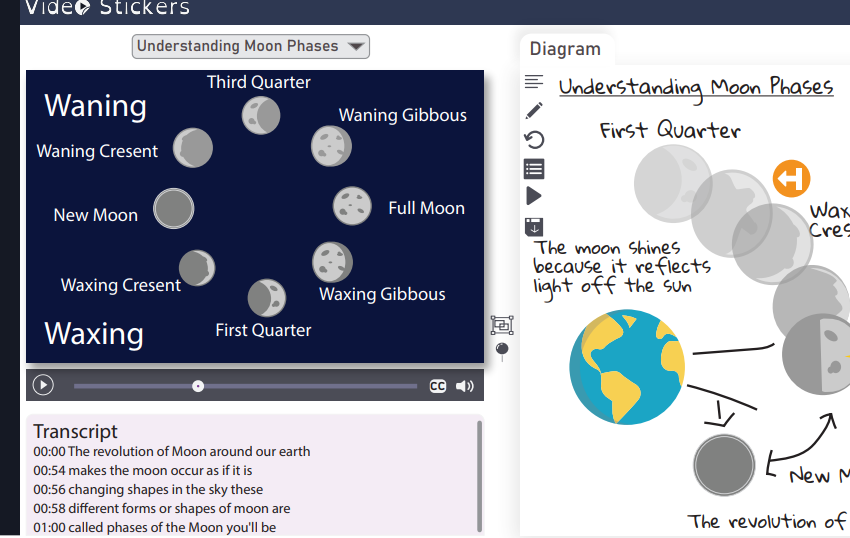
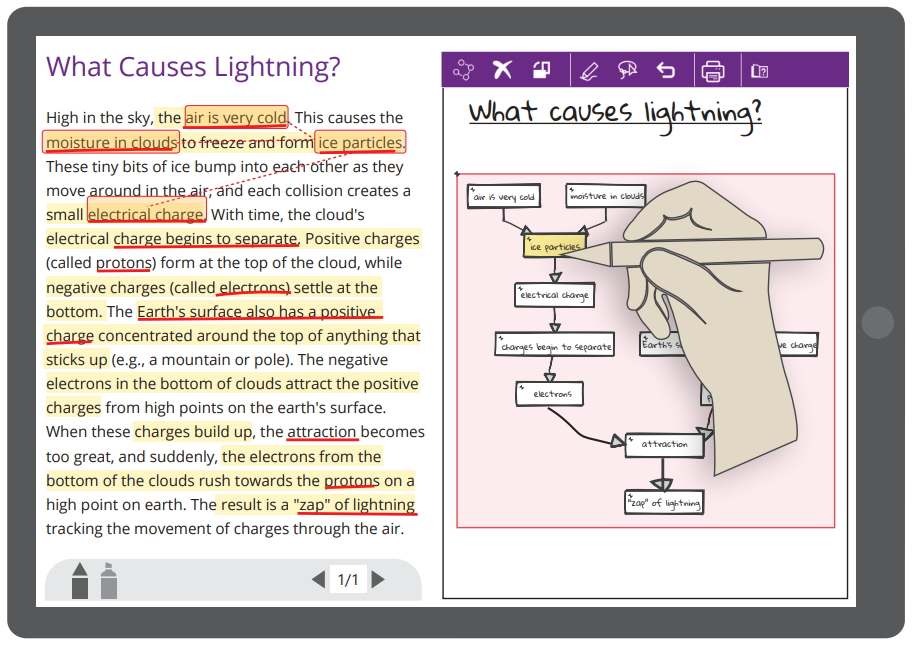
New App VideoSticker Uses AI To Help Students Take Rich Notes from Video Lessons [Aug 25, 2022] 🔗
In Human-Centered AI, the Boundaries Between UX and Software Roles Are Evolving [Apr 26, 2022] 🔗
©2026. Hari Subramonyam. |
| You are visitor 01402503 — GeezerVison does not store the pages you look up. Best viewed with Netscape Navigator 4.7 or Internet Explorer 6 at 800×600. No cookies required. |