GeezerVisonThe World Wide Web, restored to 800 pixels of glory. | |||||||||||||||||||||||||||||||||||||||||||||||||||||||||||||||||||||||||||
| Home|About|Gaming cabinet|Archives|How it works|Starter sites | |||||||||||||||||||||||||||||||||||||||||||||||||||||||||||||||||||||||||||
GeezerVison is showing physfluid.github.io — SOCIAL MEDIA TITLE TAG Learning an Implicit Physical Model for Image-based Fluid Simulation
University of Southern California,
ICCV 2025

Fig 1: Our goal is to create realistic fluid animations that are consistent with basic physics laws from a single still image . Our methods handle the obstructions added in the input images and generate realistic fluid motions and generate fluid animation videos from novel views and moving cameras.AbstractHumans possess an exceptional ability to visualize 4D scenes, encompassing both motion and 3D geometry, from a single still image. This ability is rooted in our accumulated observations of similar scenes and an intuitive understanding of physics. In this paper, we aim to replicate this capacity in neural networks, specifically focusing on natural fluid imagery. Existing methods for this task typically employ simplistic 2D motion estimators to animate the image, leading to motion predictions that often defy physical principles, resulting in unrealistic animations. Our approach introduces a novel method for generating 4D scenes with physics-consistent animation from a single image. We propose the use of a physics-informed neural network that predicts motion for each point, guided by a loss term derived from fundamental physical principles, including the Navier-Stokes equations. To reconstruct the 3D geometry, we predict feature-based 3D Gaussians from the input image, which are then animated using the predicted motions and rendered from any desired camera perspective. Experimental results highlight the effectiveness of our method in producing physically plausible animations, showcasing significant performance improvements over existing methods. Video ResultsQualitative Comparison - VideosFrom Input ViewHolynski et al.
3D-Cinemagraphy
Ours
From Novel ViewsMake-it-4D
3D-Cinemagraphy
Ours
Image-Editing3D-Cinemagraphy
Ours
Qualitative Results -- Image Comparison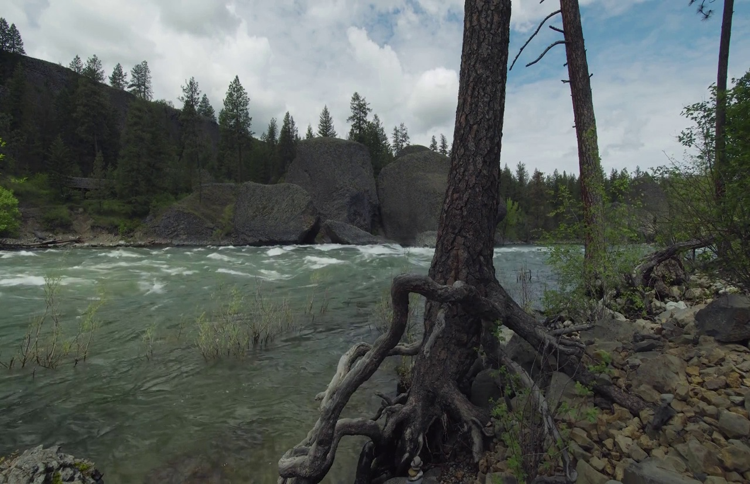
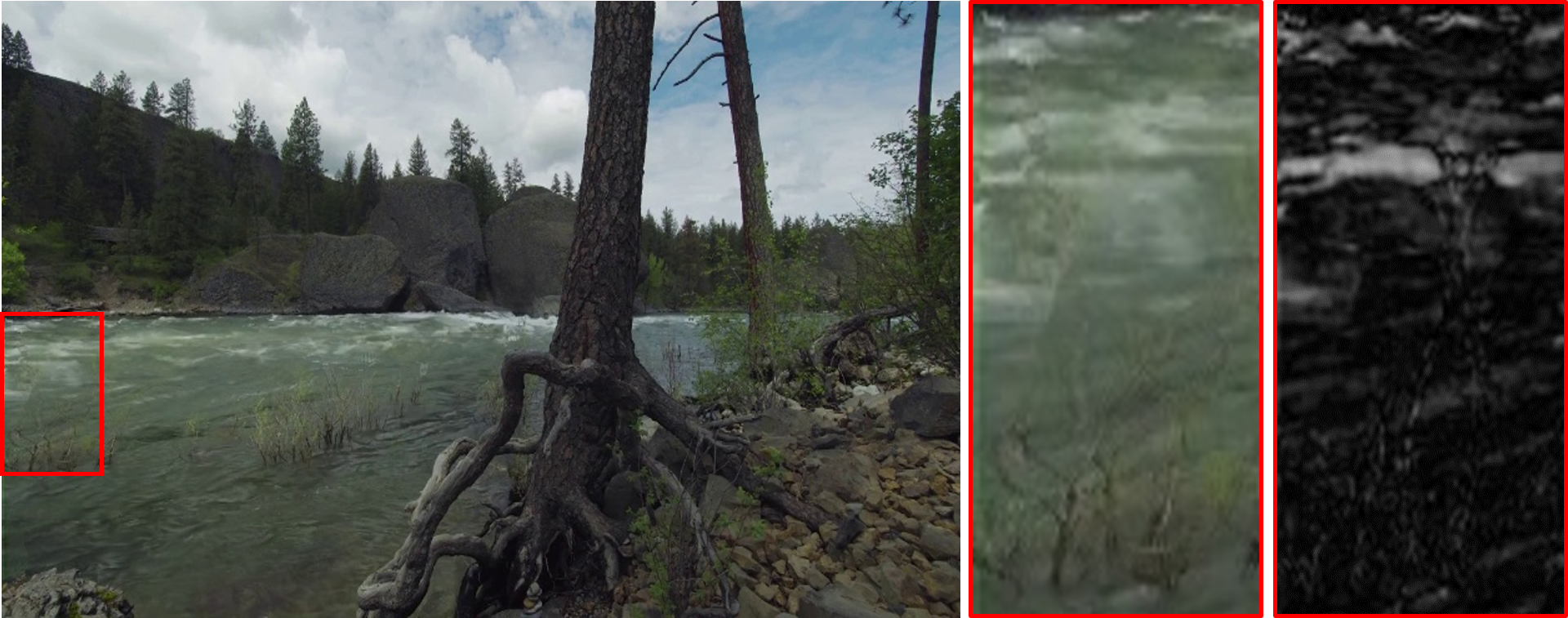
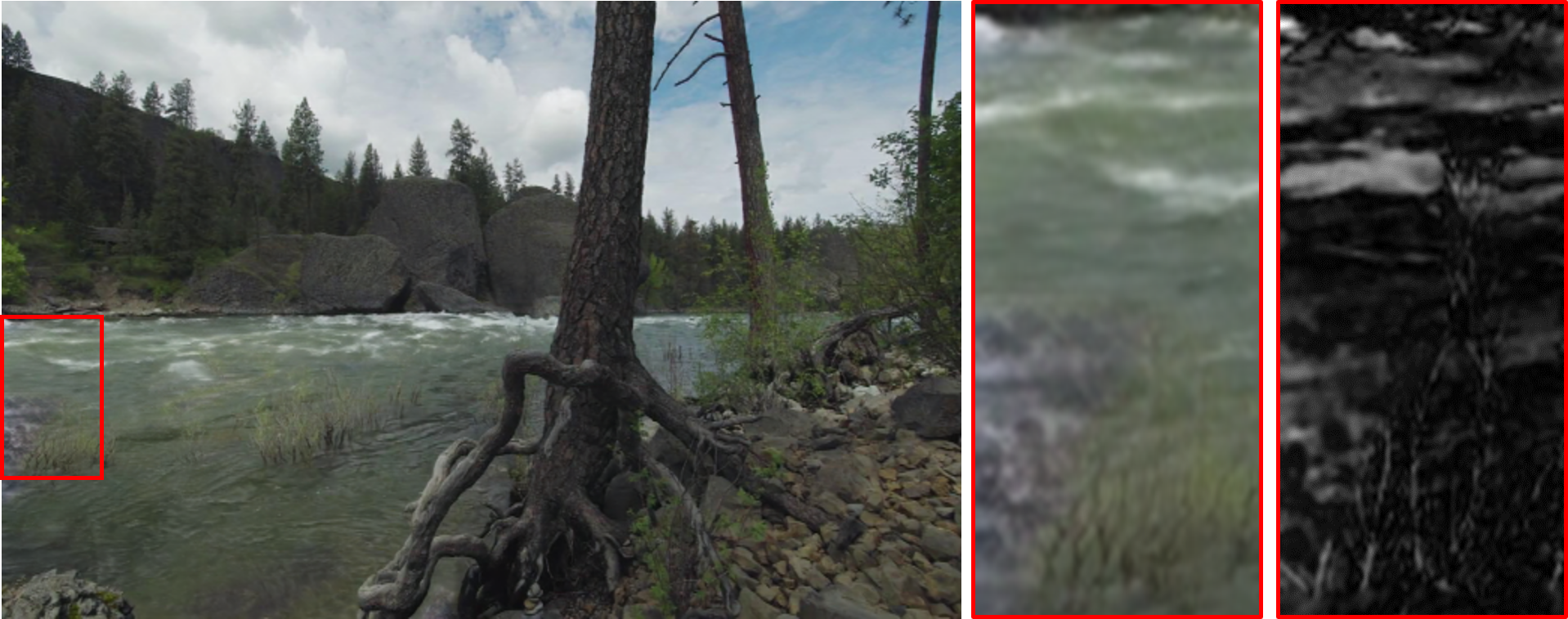
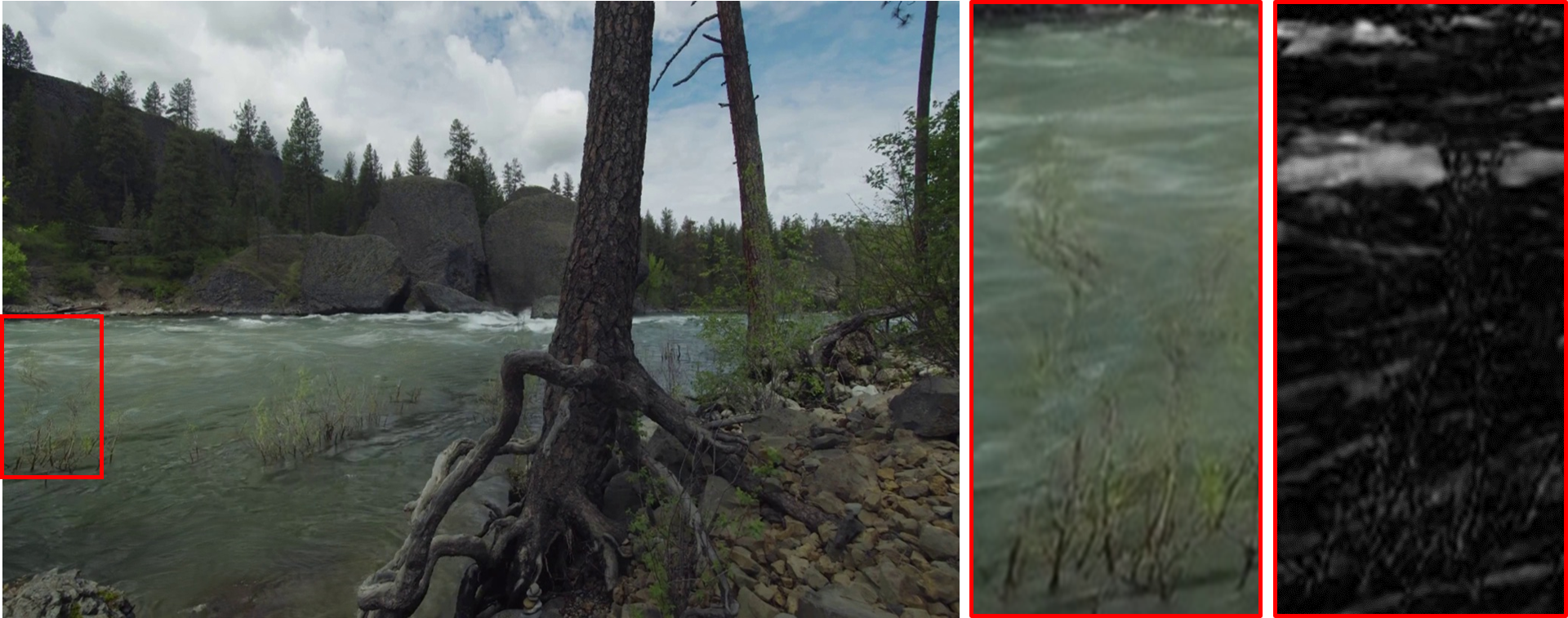
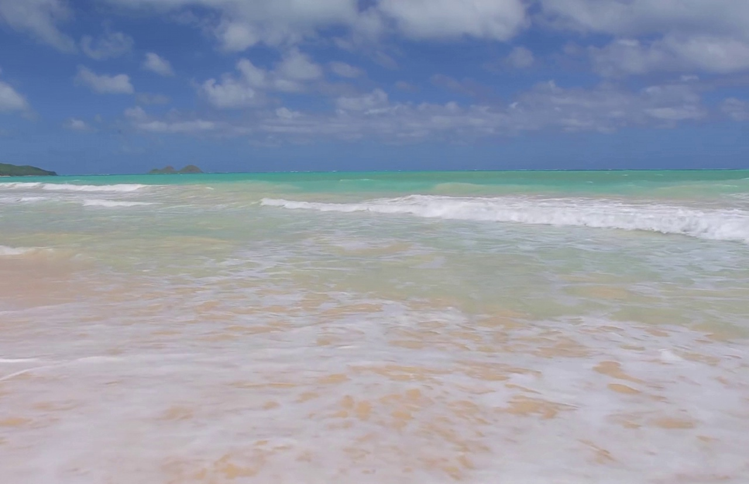
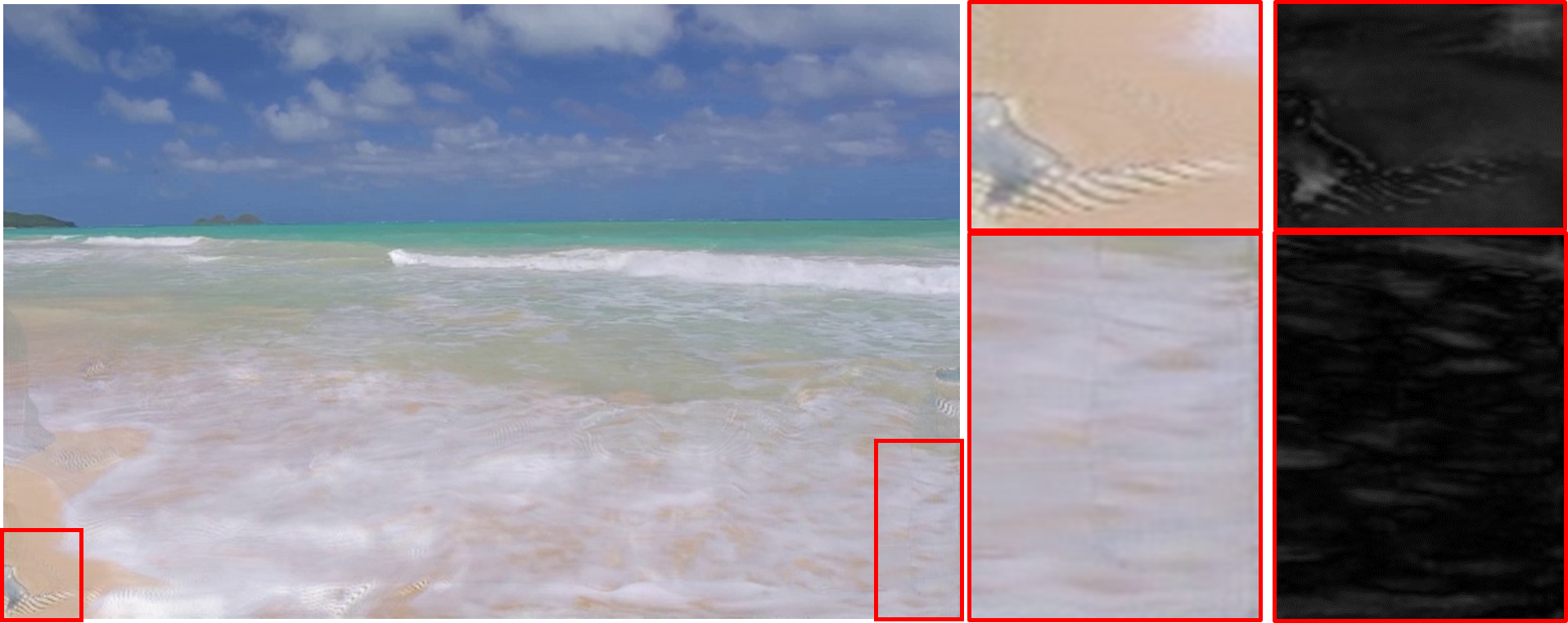
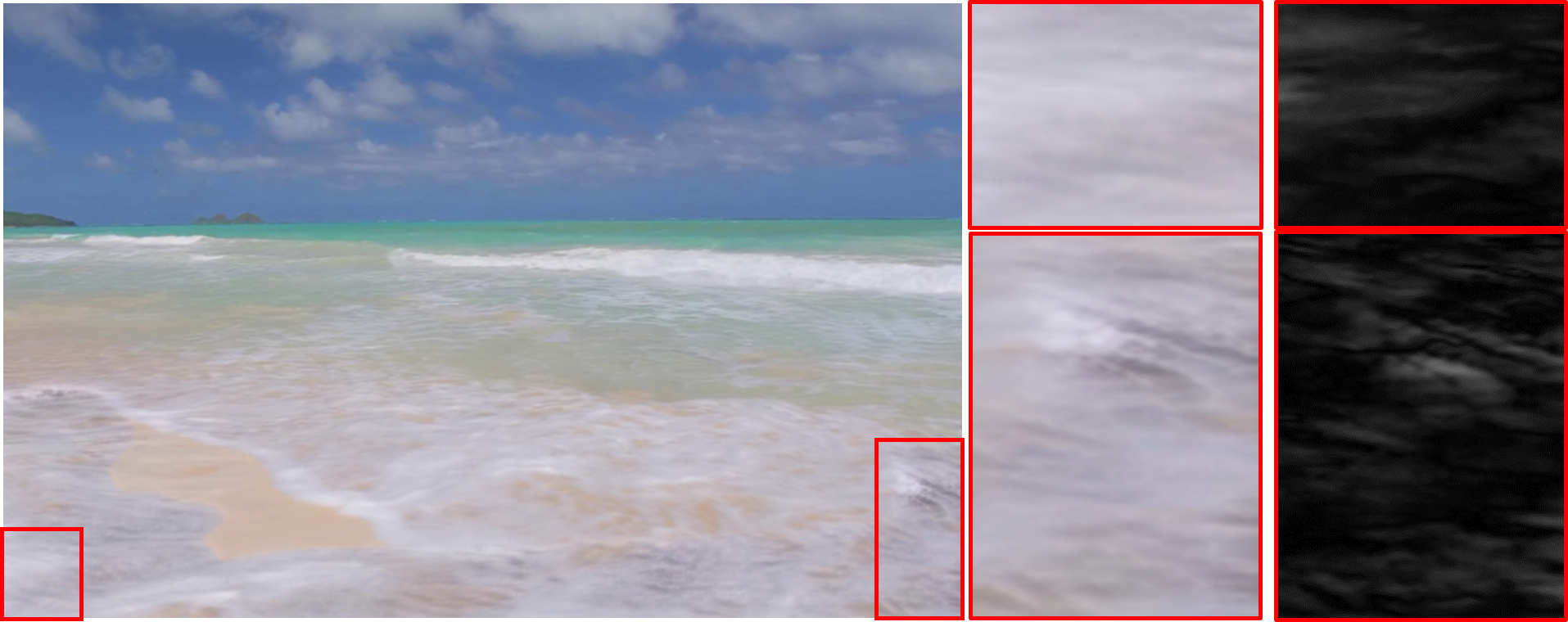
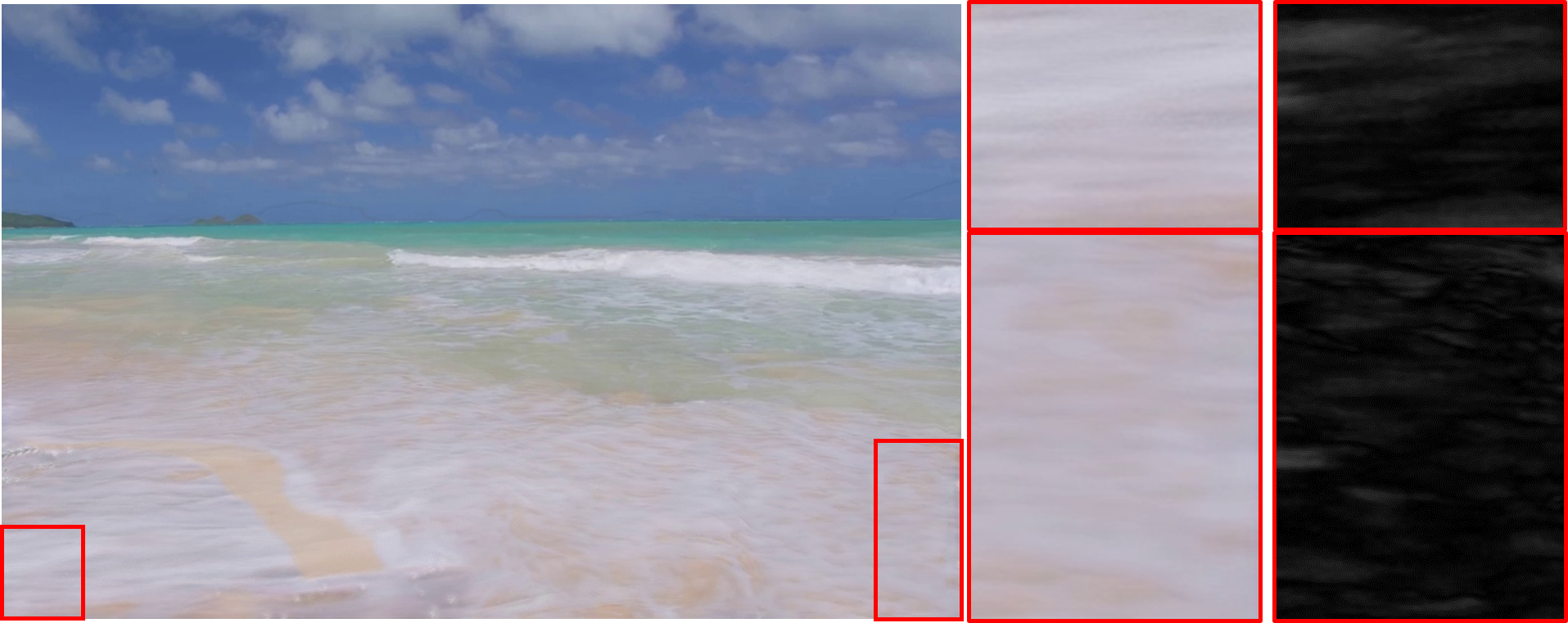
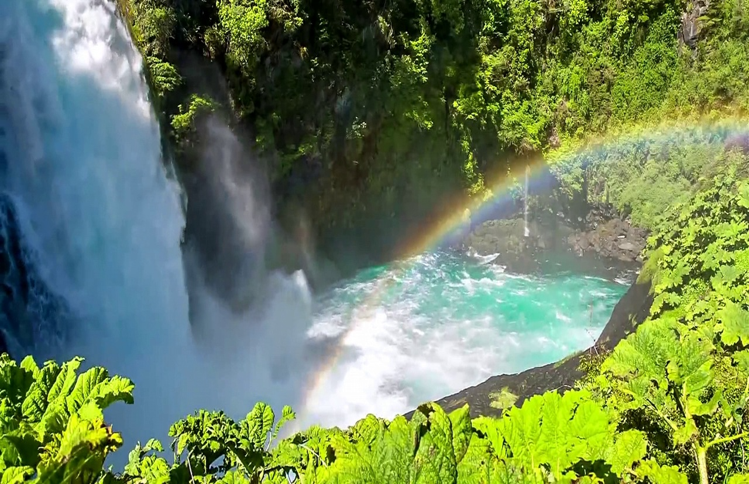
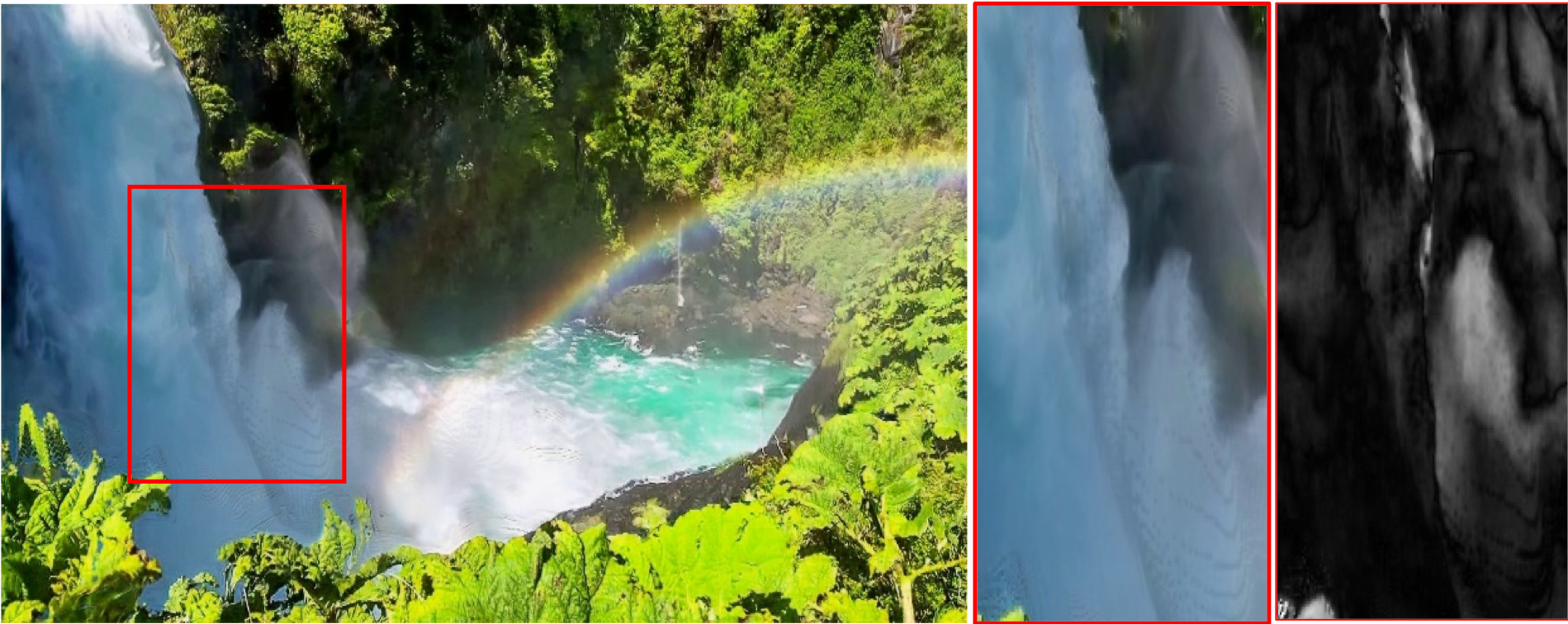
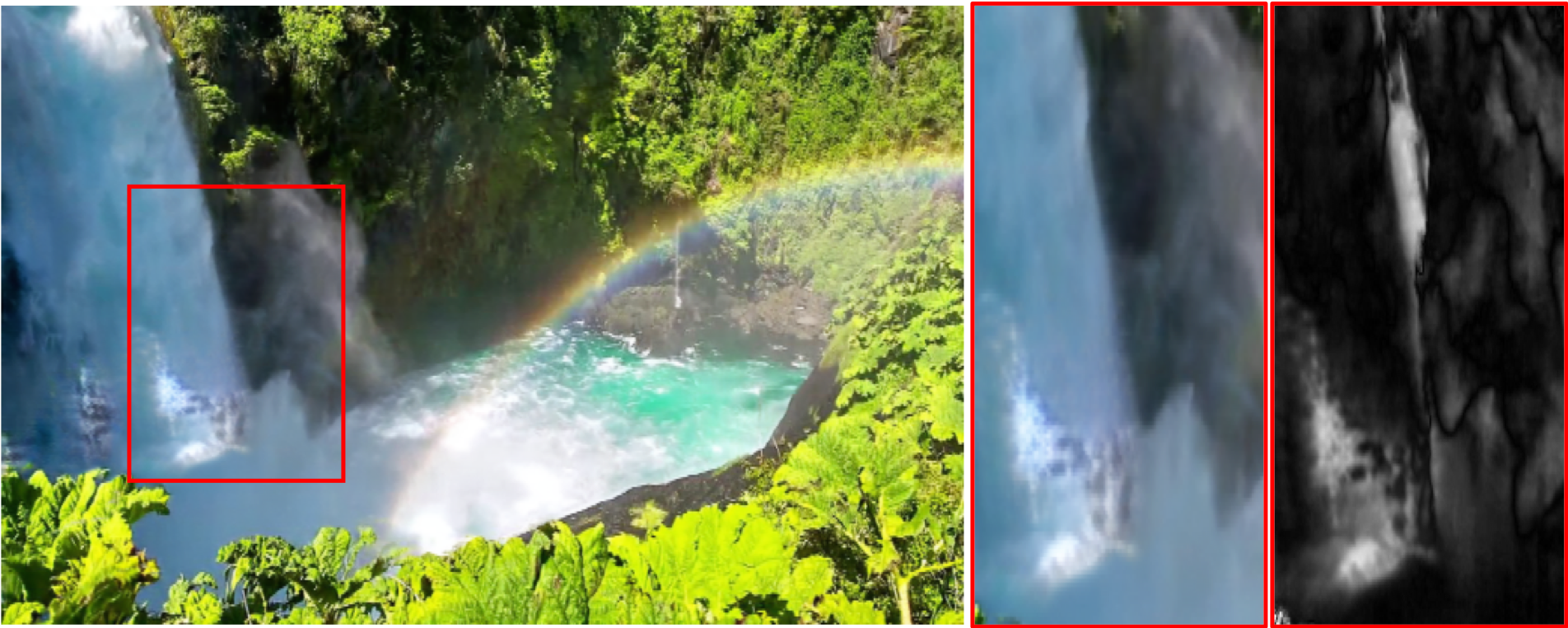
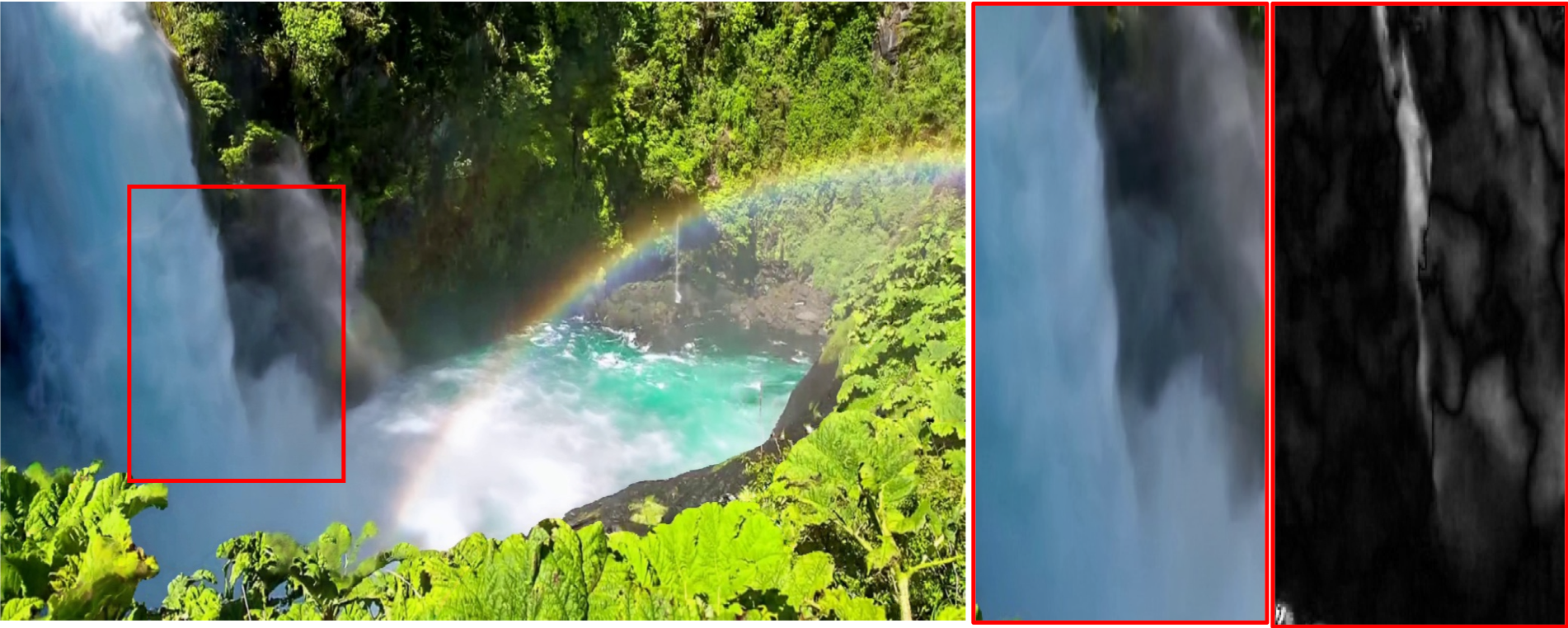
Input Image
3D-Cinemagraphy
Holynski et al.
Ours
Fig 2: Qaulitative results on Holynski et al. validation set from the input view.. Our method produces compelling results, while others exhibit artifacts such as holes, dots, and mosaic patterns. Zoomed-ins and deviation maps are also provided for better visualizations. 


Input Image
3D-Cinemagraphy
Make-it-4D
Ours
Fig 3: Qaulitative results on Holynski et al. validation set from novel views. Our method produces compelling results, whereas other methods exhibit the same artifacts present in videos from the input view, along with new artifacts in occluded areas. Quatitative Results
Table 1: Quantitative results of generating videos from the input view on Holynski et al. validation set.
Table 2: Quantitative results of generating videos from novel views on Holynski validation set. The results in lines marked with '*' are retrieved from 3D-Cinemagraphy.
Table 3: Quantitative results for fluid and non-fluid regions, respectively. Videos for RebuttalQualitative Ablation for N-S SimplificationW/O gravity
Ours
W pressure fields
Ours
W viscosity
Ours
Comparison with CogVideo-5BCogVideo-5B
Ours
More view-varying results3D-Cinemagraphy
Ours
| |||||||||||||||||||||||||||||||||||||||||||||||||||||||||||||||||||||||||||
| You are visitor 01402503 — GeezerVison does not store the pages you look up. Best viewed with Netscape Navigator 4.7 or Internet Explorer 6 at 800×600. No cookies required. | |||||||||||||||||||||||||||||||||||||||||||||||||||||||||||||||||||||||||||