Guardians for the planet
SustainabilityProject SPARROW is using AI to preserve biodiversity in the most remote corners of the world

GeezerVisonThe World Wide Web, restored to 800 pixels of glory. |
| Home|About|Gaming cabinet|Archives|How it works|Starter sites |
GeezerVison is showing unlocked.microsoft.com — The first five minutes
AI-powered imaging detects wildfires in their earliest moments, when rapid response makes all the difference

Firefighters held the line. Radios crackled with updates as dry brush reignited. Kids counted “three, two, one” as planes dropped ribbons of red slurry, slowing the blaze. Then the wind shifted. Neighbors packed their cars.The Sorrento Fires burned more than 220 acres of parched coastal shrub in San Diego this summer. Once you watch a wildfire climb a canyon toward your home, you start noticing what might fuel the next. Fire has shaped California—long before neighborhoods sprawled across its hills. It renewed forests and grasslands, cleared old growth, and returned nutrients to the soil. Fire itself isn’t the enemy. What’s changed is how we live alongside it. Last year, nearly 78,000 wildfires were reported across the United States, a 20 percent increase over the previous year. Hotter temperatures, prolonged drought, and expanding development have transformed fire into a year-round threat. This urgency is bringing together scientists, firefighters, and Microsoft’s AI for Good Lab with the shared goal: to detect fires sooner. 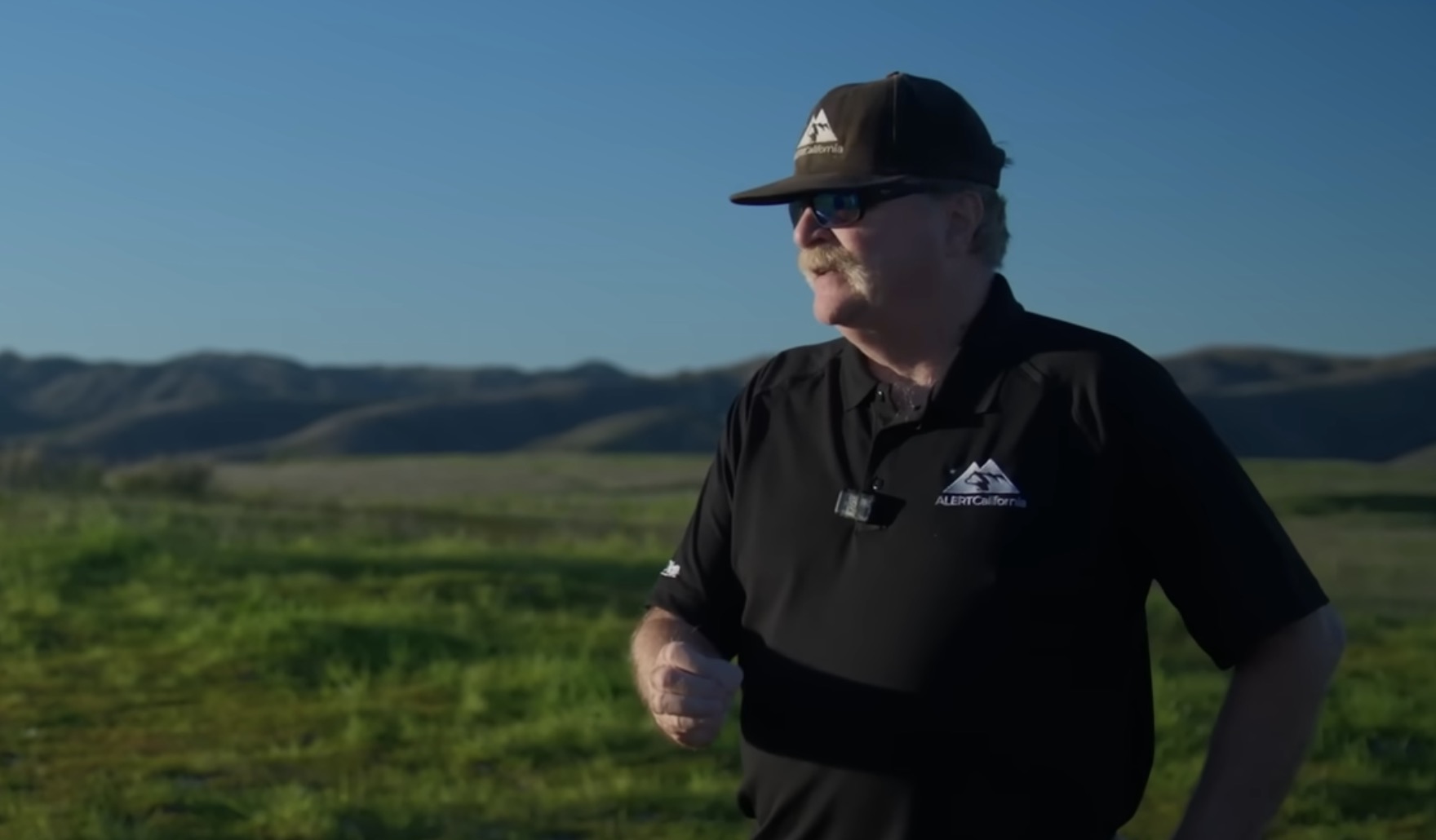
Watch “AI-powered imaging speeds wildfire detection”
01:58
Link copied

Where there’s smokeFor Dr. Neal Driscoll, geophysicist and professor at the University of California San Diego, everything changed during the Cedar Fire of 2003. “The fire skirted up my neighborhood. People lost their lives. We didn’t know where to go. We called 911 and said, ‘We can’t see.’ The whole sky was orange.” At the time, Driscoll’s research focused on tectonics, work that even landed him on “Bill Nye the Science Guy.” But the Cedar Fire shifted his focus. Since then, he’s dedicated his career to understanding wildfires. He asked: What if smoke could be detected before the flames took hold? The question led him to found ALERTCalifornia at UC San Diego. The growing network of nearly 1,300 cameras watches over the state’s most fire-prone landscapes. In its first two months of operation alone, ALERTCalifornia detected 77 incidents before they were reported. Together with wildfire technology experts, fire agencies, and Microsoft’s AI for Good Lab, the team enhanced ALERTCalifornia’s award-winning AI tool that continuously analyzes live camera feeds for the earliest signs of smoke. When the system detects a fire, it compares camera angles, verifies the location, and sends an alert within minutes. The system now processes more than 7 million images daily, spotting a wildfire as early as 2.5 hours before the first 911 call. It gives first responders something they never have enough of: time. Changing the timelineFor decades, wildfire detection depended on someone seeing smoke—a passing driver, a lookout, or a neighbor placing a call. Increasingly, it begins with AI, according to Zachary Wells, deputy chief of Kern County Fire Department and deputy director of operations at ALERTCalifornia. Before a firefighter ever climbs into an engine, the system begins separating signal from noise. Clouds drift. Fog rises. Morning light shifts across canyon walls. AI learns the difference, filtering false positives to focus on real threats. When smoke is detected, dispatchers send out a live camera feed. But AI doesn’t fight fires. Firefighters do. They’ve spent their careers learning how to read smoke. What AI provides is a head start—allowing them to arrive sooner and make better decisions before a small fire becomes a big crisis. By the time crews leave the station, they’ve already seen the fire. They know whether they’re responding to a prescribed burn or an emerging wildfire, how it’s likely to behave, and which route offers the safest approach. Multiple camera views show them what lies ahead. 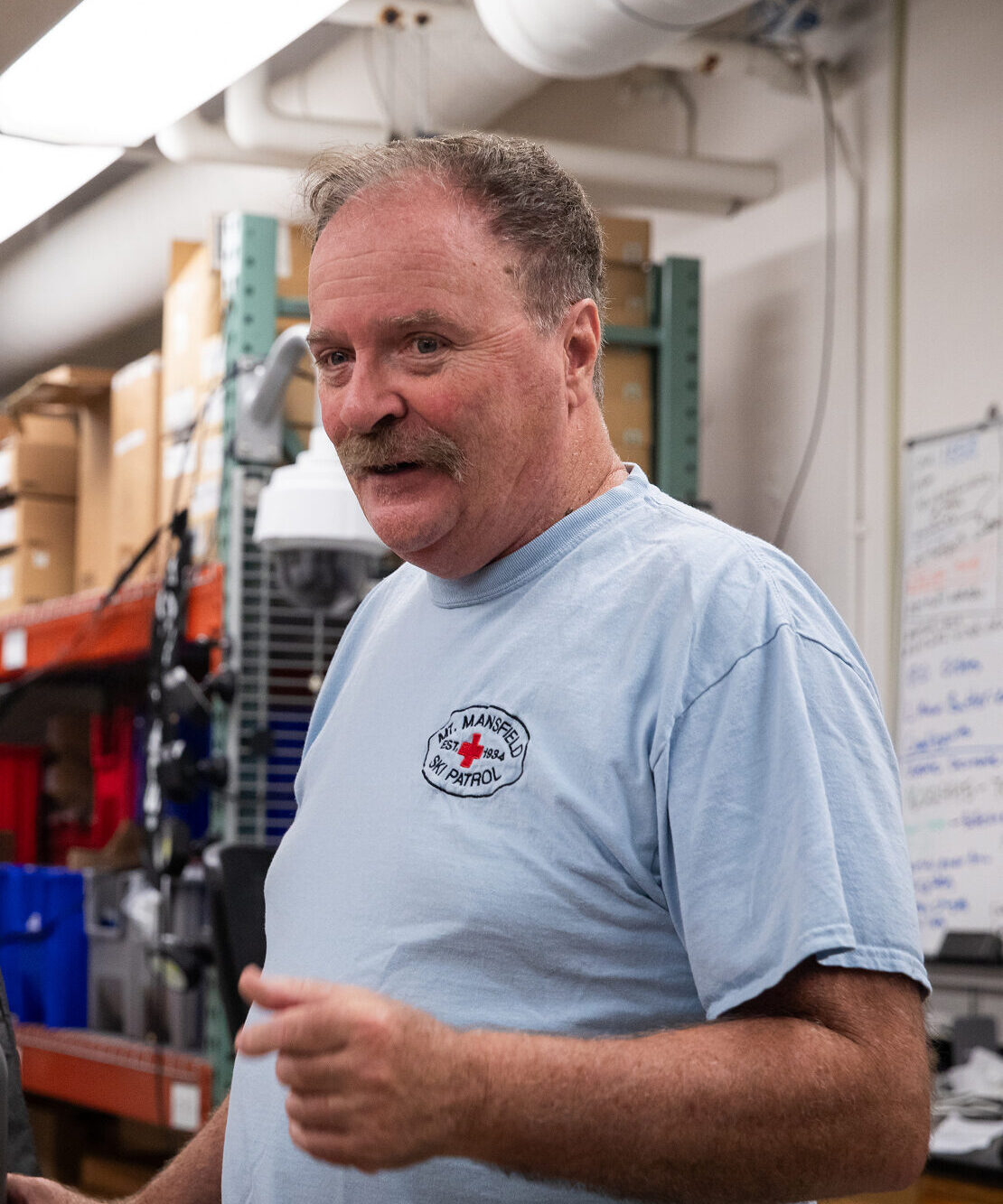
0:00
I look at the metric that the AI is providing, reducing noise, that allows the dispatcher to have situational awareness and observe how things are changing, and it’s telling me where I have changed. And now I want to have it tell me where I have changed faster, with better clarity. Every fire has a chance to get out of the box. And that’s what we’re trying to solve. Let’s not let the fire out of the box. Dr. Neal Driscoll
Geophysicist and Founder, ALERTCalifornia
Photo: Emily Zheng 
0:00
I’ve experienced already the ability to detect fire and confirm it in incipient phase, respond an effective firefighting force to first alarm of engines and chiefs and all the crews that we need, and extinguish that fire without ever receiving a 911 call. Going back to the protecting life, property, and the environment, first priority is life and the more that I can do to engage in technology that helps protect my communities and protect my firefighters, that those are no-brainers. We gain so much knowledge in the first five minutes. That early understanding informs everything that follows. Zachary Wells
Deputy Chief, Kern County Fire Department,
and Deputy Director of Operations, ALERTCalifornia Photo: Emily Zheng 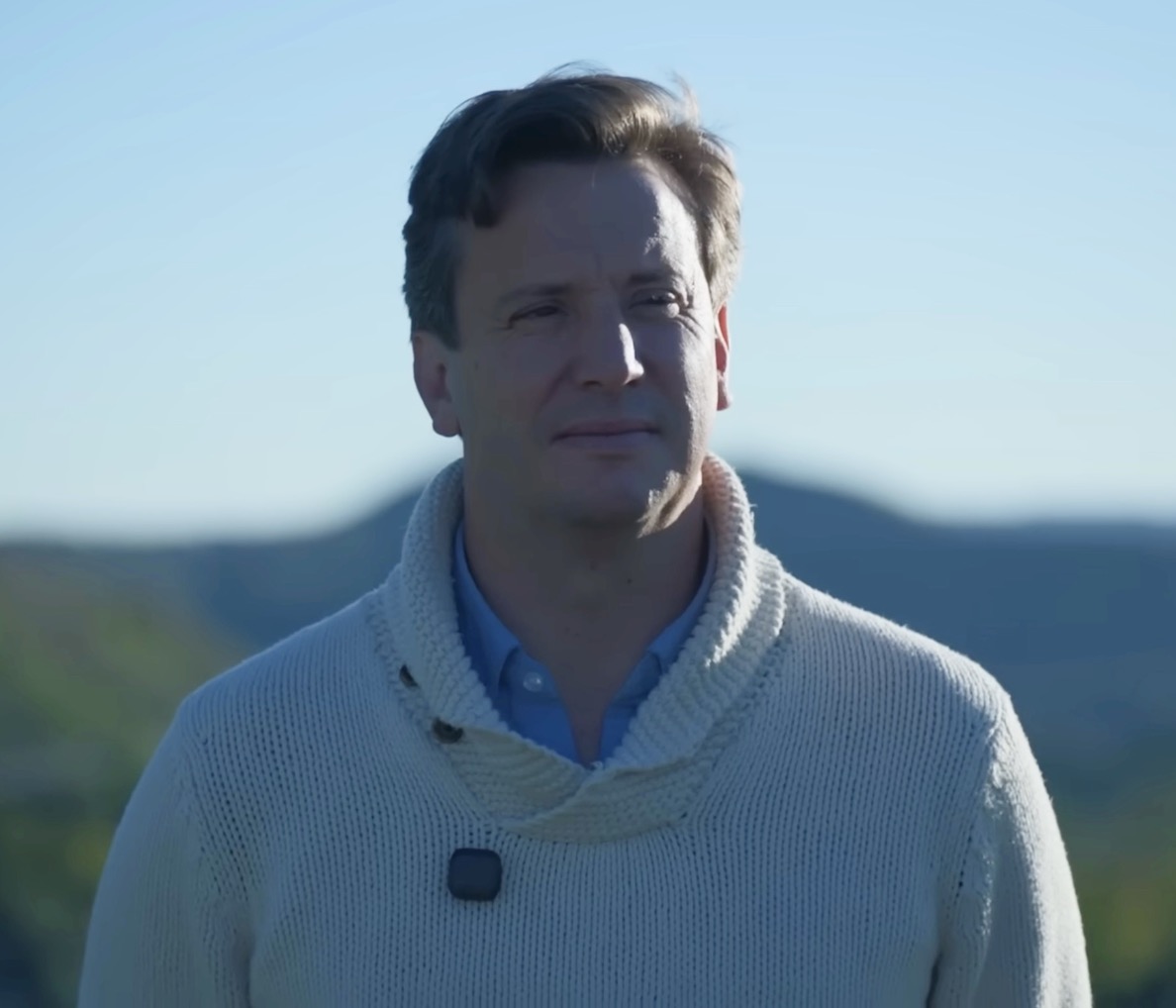
0:00
The good thing here is also because you have so many cameras and you have, unfortunately, given the amount of fires that you have every year, you have every fire you can learn from the fire. Yeah. Right now the focus has been on detection. The next, I think, the next also phase is predictions. What’s going to happen with that fire? If you detect a fire early, you can stop it with a shovel. If you wait, you’ll need a bulldozer, air tanker, and maybe even a miracle. Juan Lavista Ferres
Corporate Vice President and Chief Data Scientist,
Microsoft AI for Good Lab Everybody goes home“Among firefighters, there’s a saying: Everybody goes home,” explains Wells. It reflects the first priority behind every decision—protecting the communities they serve. In 2023, ALERTCalifornia’s cameras and AI helped crews rapidly detect and contain Kern County’s Trotter Fire at 52 acres. Without AI-powered imaging, Driscoll estimates it may have spread to nearly 4,000 acres. During Sonoma County’s chaotic Kincade Fire in 2019, improved early warning systems helped officials evacuate more than 180,000 residents without a single loss of life. But the greatest success is the fire that’s stopped before it makes the evening news. As climate change drives more extreme wildfires, faster detection is more urgent. “We want this technology to be available to people across the world,” says Juan Lavista Ferres, vice president and chief data scientist at Microsoft’s AI for Good Lab. The goal isn’t to export a California model but to build a platform that communities everywhere can adapt to their needs. Scaling the tech means placing tools in the hands of regional partners—experts who know the land and how fire moves through it. To help realize that vision, Microsoft recently announced a $5M contribution that includes $2M for in-kind technology development and a $3M Azure grant to support ALERTCalifornia’s next phase, setting the foundation for greater impact across the United States and around the world. After the firesOnce a fire’s out, it’s not over. Charred hillsides become vulnerable to erosion. Heavy rains trigger debris flows. Watersheds shift. “We call these cascading disasters,” says Driscoll. The same AI-powered imaging transforming fire detection is now contributing to long-term resilience. ALERTCalifornia is building one of the most detailed digital models of California’s landscape ever assembled. Using nearly 98,000 square miles of LiDAR data, researchers map terrain, monitor forest health, and predict landslides. “The data isn’t just telling us what the landscape looks like,” says Driscoll. “It helps us understand how it changes over time.” This helps communities make more informed decisions to preserve habitats and rebuild homes. Landscapes cascade, but they also recover. Days after the Sorrento Fires, small patches of sage and chaparral were already pushing through the ash. Fire has always shaped California. It destroys, but it also renews. Listen for moreTune into the episode of Tools and Weapons where Microsoft Vice Chair and President Brad Smith meets with Deputy Fire Chief Zachary Wells and Dr. Neal Driscoll. Related storiesGuardians for the planetSustainabilityProject SPARROW is using AI to preserve biodiversity in the most remote corners of the world
Survive. Adapt. Thrive.Thriving CommunitiesEquipped with a Microsoft AI for Humanitarian Action grant, the nonprofit SEEDS makes climate change threats visible for the most vulnerable.

The sound of survivalSustainabilityBioacoustics is helping protect one of the world’s most endangered whale populations by reducing their exposure to underwater noise

Explore by topic |
| You are visitor 01402605 — GeezerVison does not store the pages you look up. Best viewed with Netscape Navigator 4.7 or Internet Explorer 6 at 800×600. No cookies required. |