What GPT-6 lacks is not a better representation but the pressure that forces one into existence: a world that does not wait for it, and does not forgive it.
My research asks how intelligent systems can form stable spatial representations, reason across viewpoints,
and turn those representations into reliable actions in the physical world.
01
Spatial Representation
Learning viewpoint-aware, geometry-sensitive representations that remain useful across tasks and environments.
02
Closed-loop Intelligence
Building agents that actively seek better viewpoints, learn from interaction, and refine their own spatial beliefs.
03
xyz
Physical Intelligence
Connecting visual understanding with construction, manipulation, and physically grounded decision-making.
04
Spatial Consistency
Diagnosing whether multimodal models maintain coherent objects, geometry, and state across views and time.
Research portfolio
Research Work
Switch between a focused selection and the complete list. * denotes equal contribution;
† denotes advising authors.
A large-scale study across 12 embodied benchmarks, harness ablations, and eight real-robot platforms,
examining the gap between embodied competence and reliable deployment.
Baiqiao Yin, Zhongang Cai, Ruisi Wang, Qiwei Liang, Lei Yang, Ziwei Liu
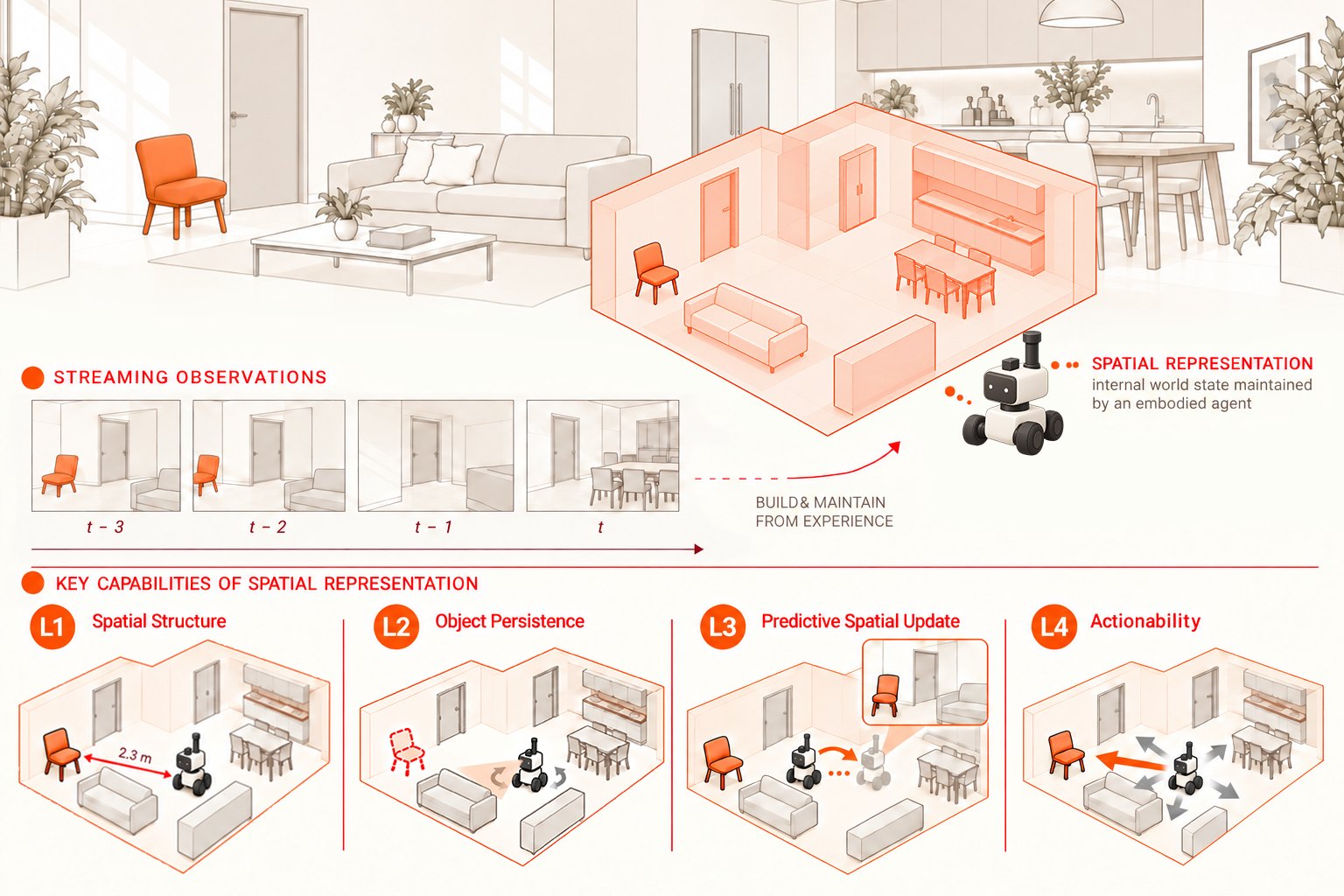
Probes ten frozen visual representations across spatial structure, object persistence, predictive update,
and actionability to ask whether today's foundation models maintain a usable spatial state.
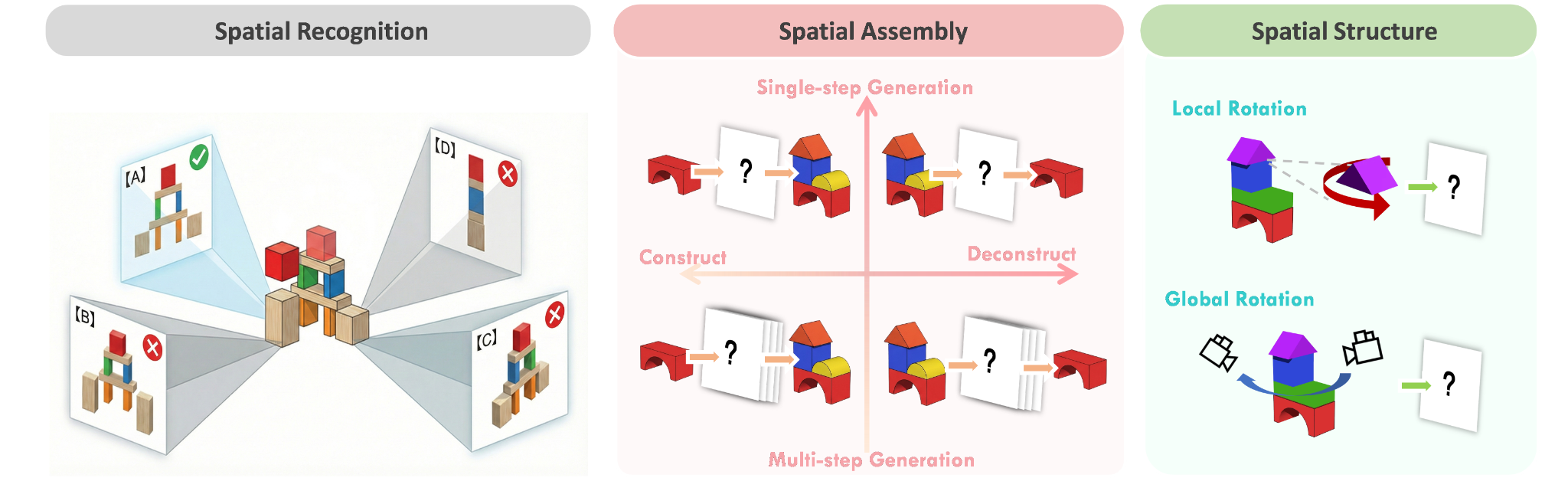
True spatial intelligence requires active construction, not only passive 2D question answering. MindBlock exposes
perception-execution gaps and evaluates whether generated views form a coherent 3D structure.
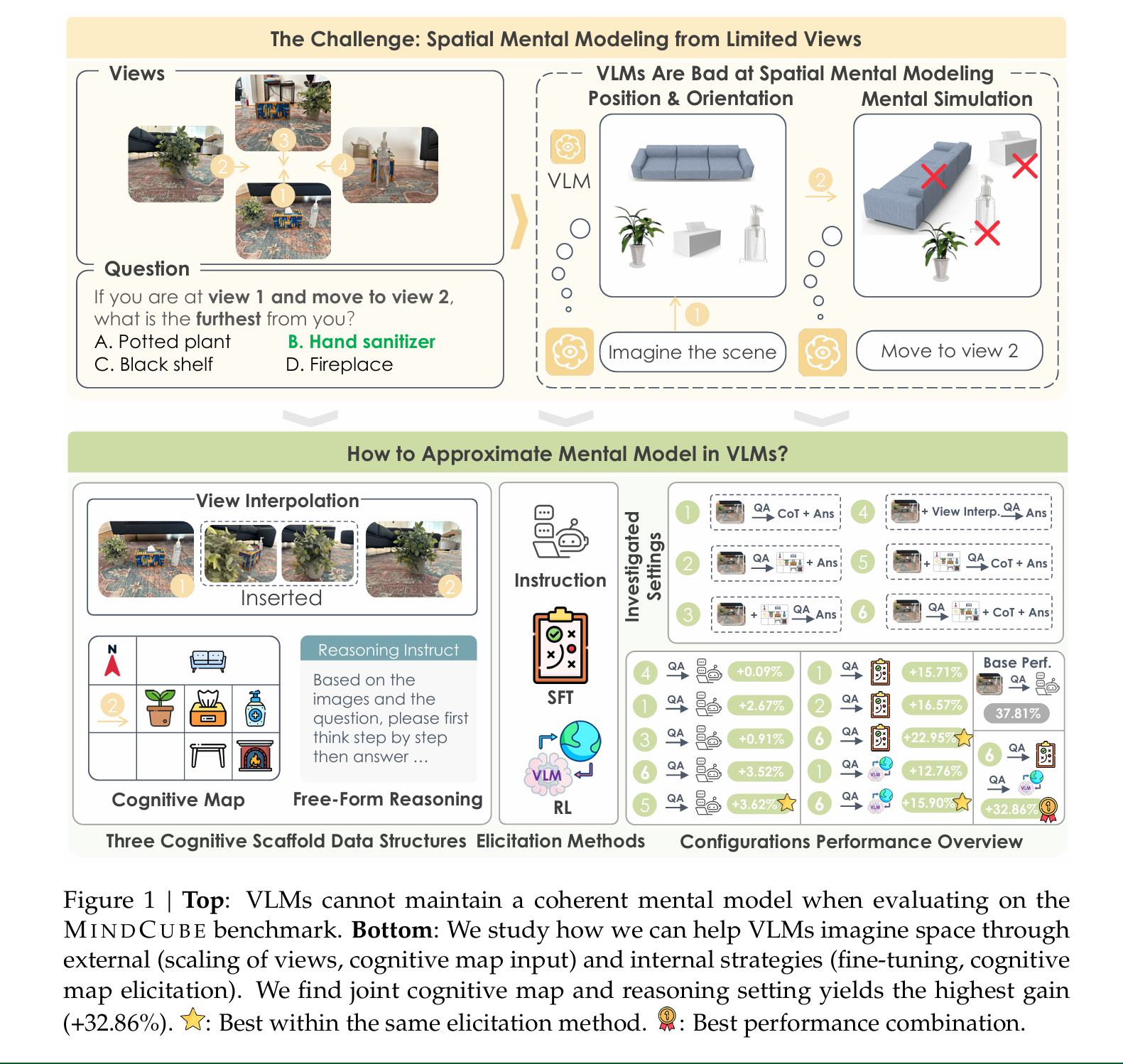
Guiding vision-language models to first construct a cognitive map and then reason over it provides an effective
route toward spatial mental modeling from limited observations.
Embodied visual search and spatial intelligence · Mentor: Chen Feng
Northwestern MLL Group
Spatial mental modeling and consistency perception · Mentor: Manling Li
Shanghai AI Laboratory
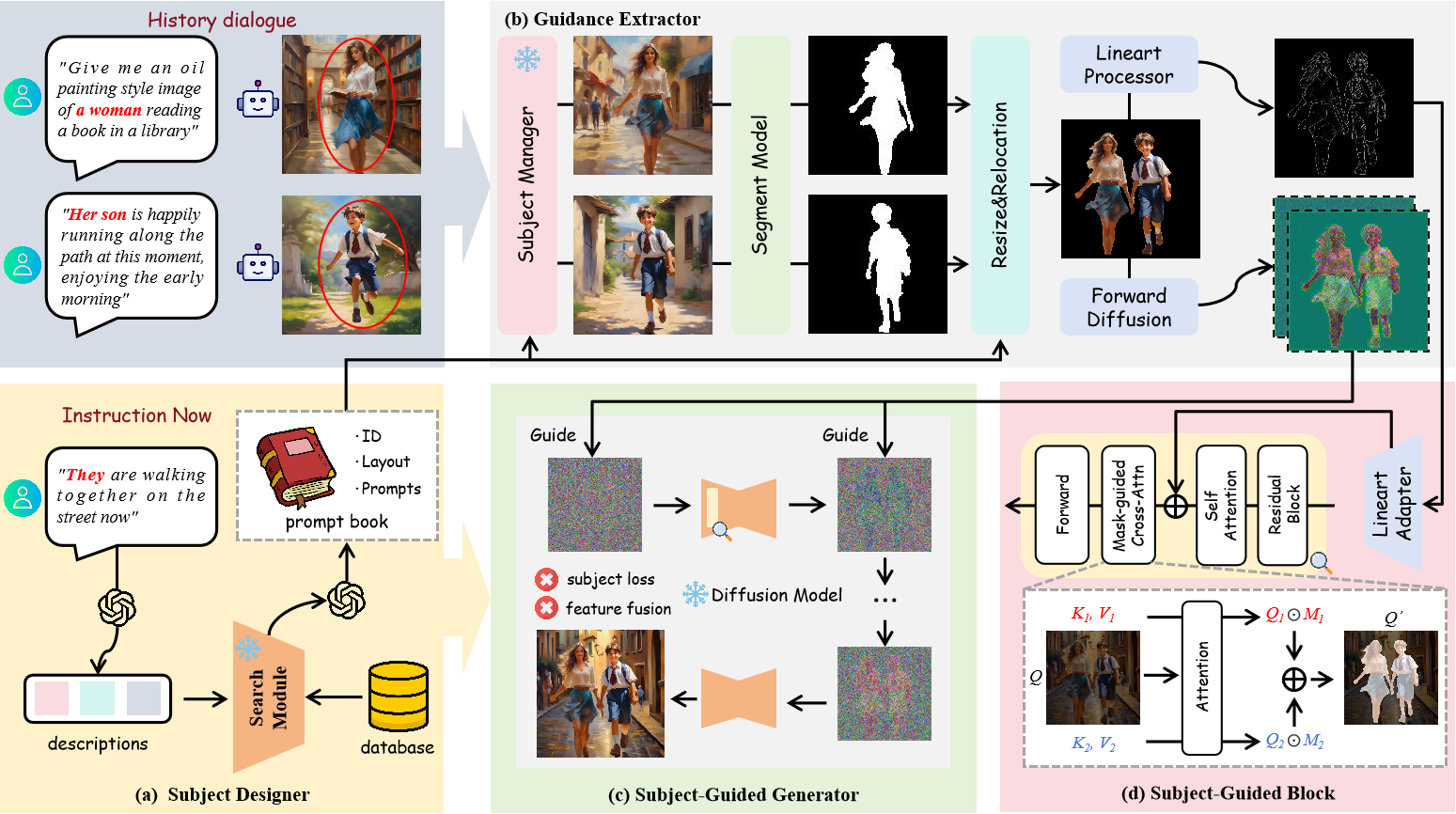
Indoor scene generation for embodied AI · Mentor: Xudong Xu
Peking University (Shenzhen)
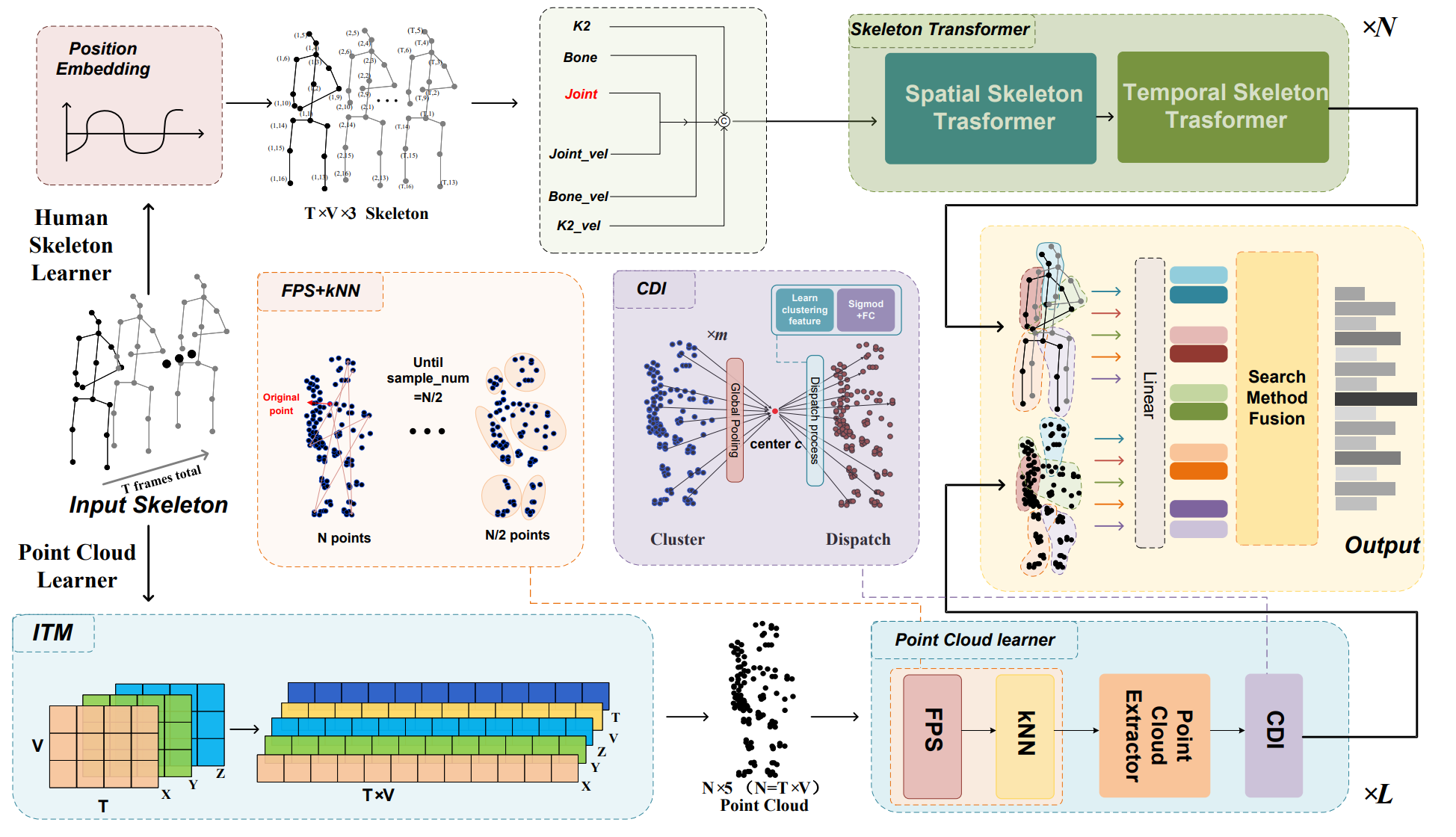
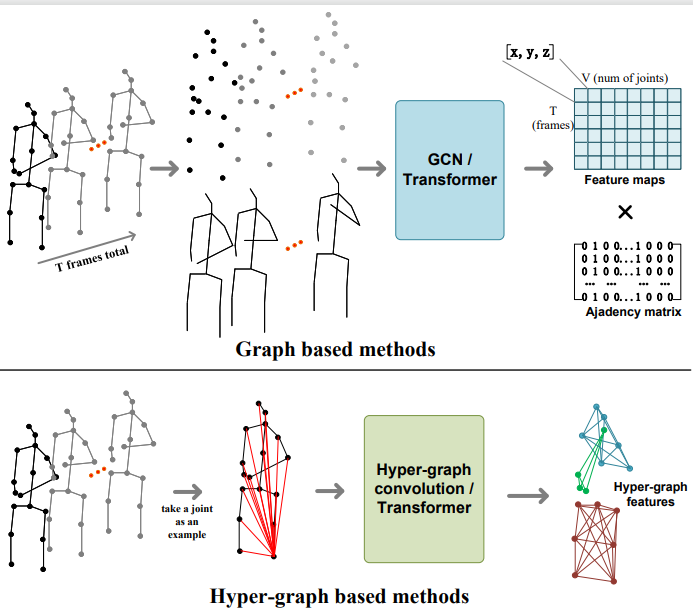
Skeleton-based action recognition · Mentor: Mengyuan Liu
Recognition
Honors & Awards
Selected research and competition recognition.
★
Best Paper Award
ICCV Workshop on Structural Priors for Vision (SP4V)
01
Grand Challenge Champion
ICME Multi-Modal Video Reasoning and Analyzing Competition
02
Academic Competition Scholarship
Sun Yat-sen University
03
3rd Place
IEEE UV Mathematical Modeling for Smart City
You are visitor 01402503 — GeezerVison does not store the pages you look up. Best viewed with Netscape Navigator 4.7 or Internet Explorer 6 at 800×600. No cookies required.