Theoretical Framework & State-of-the-Art Synthesis
This repository contains a Preliminary Research Paper (Bachelor Thesis level) synthesizing an extensive investigation into the intersection of Artificial Intelligence and Modern Simulation Engines.
Note on Research Depth: Originally authored in June 2022, this document serves as a structured "Executive Summary" of a deeper investigation. It was designed to be the theoretical foundation for a planned Master’s Thesis in AI, ensuring that the core architectural and algorithmic considerations were fully matured before moving into the implementation phase.
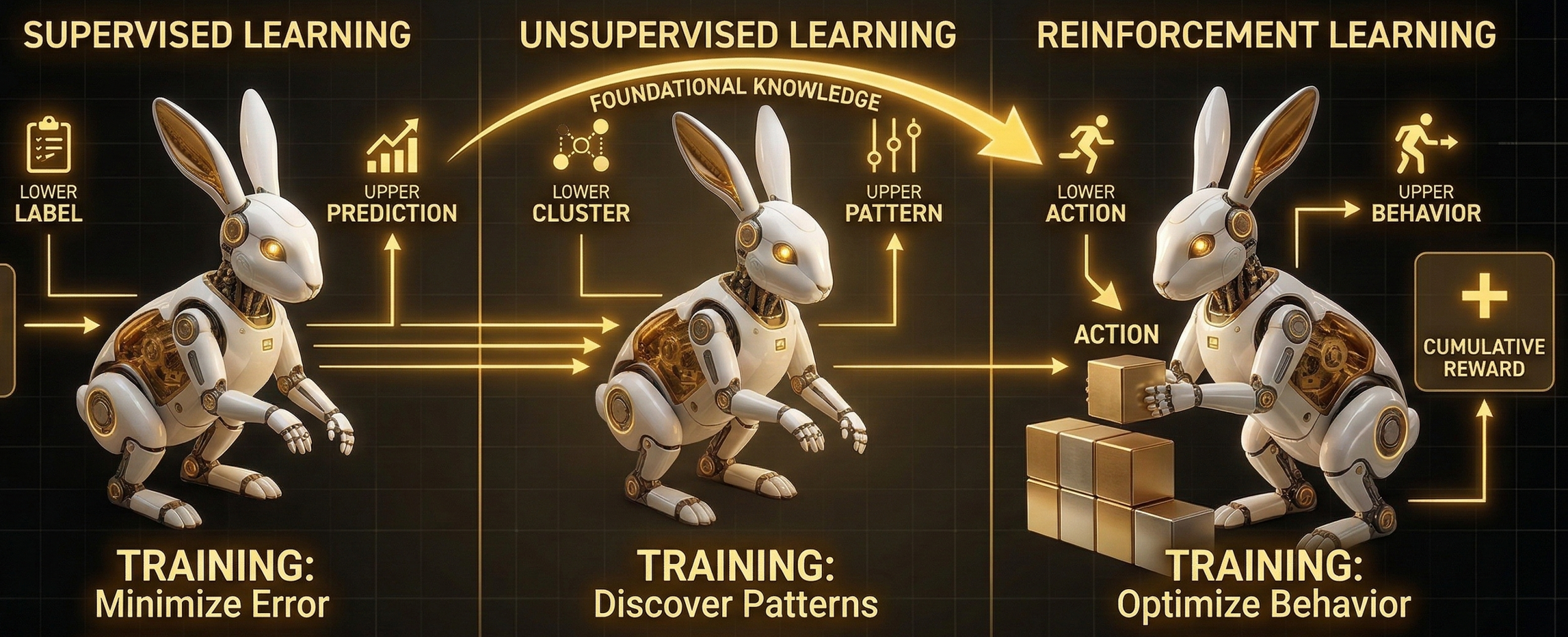
- Taxonomy of Learning Paradigms: A comparative study of Deep Learning (DL), Reinforcement Learning (RL), and the convergence into Deep Reinforcement Learning (DRL) for complex decision-making.
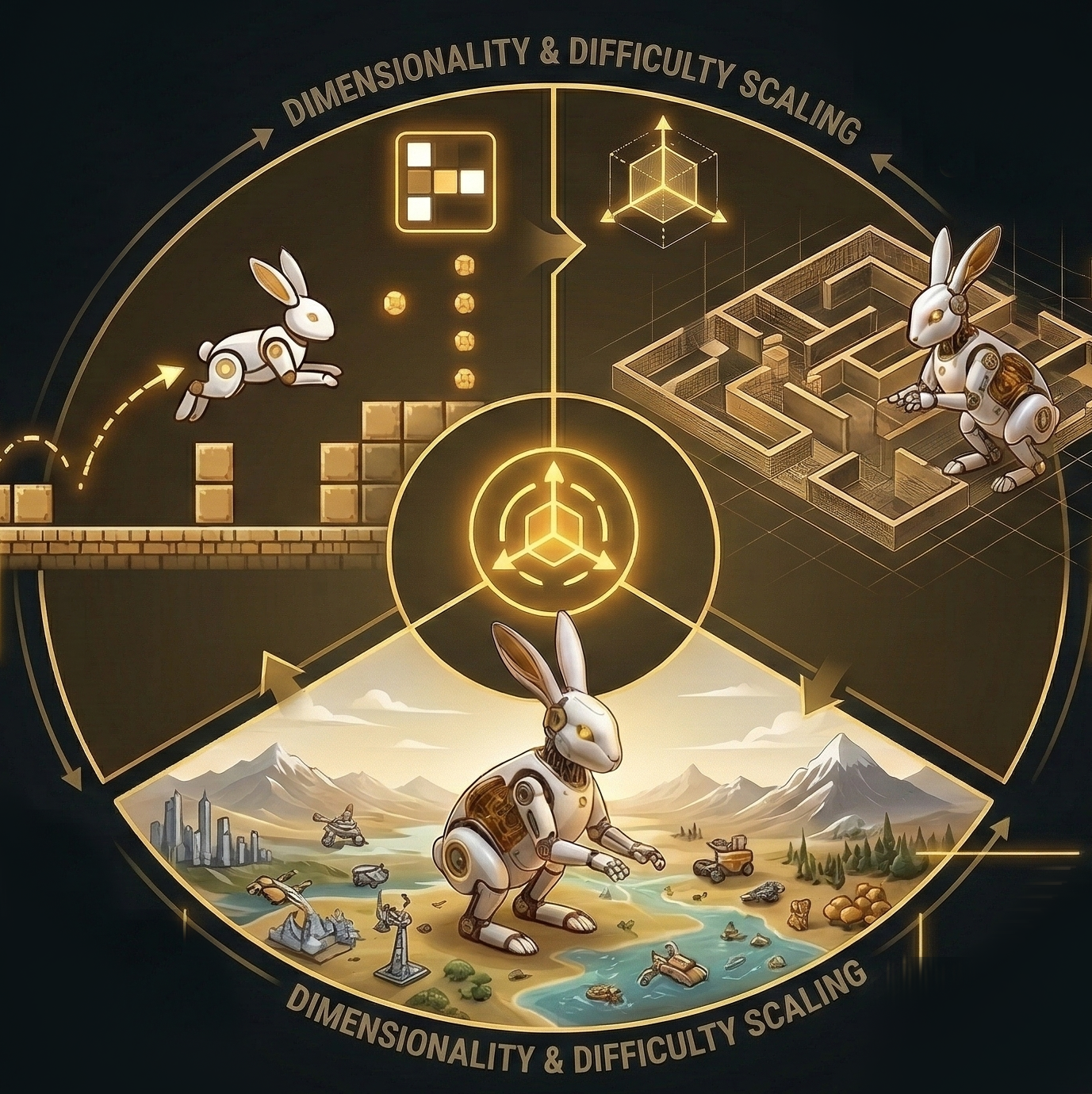
- Environmental Complexity Scaling: Analysis of AI behavior across different simulation tiers:
- 2D Environments: Pattern recognition and basic heuristics.
- 3D & Open World Environments: Spatial reasoning, navigation, and high-dimensional state spaces.
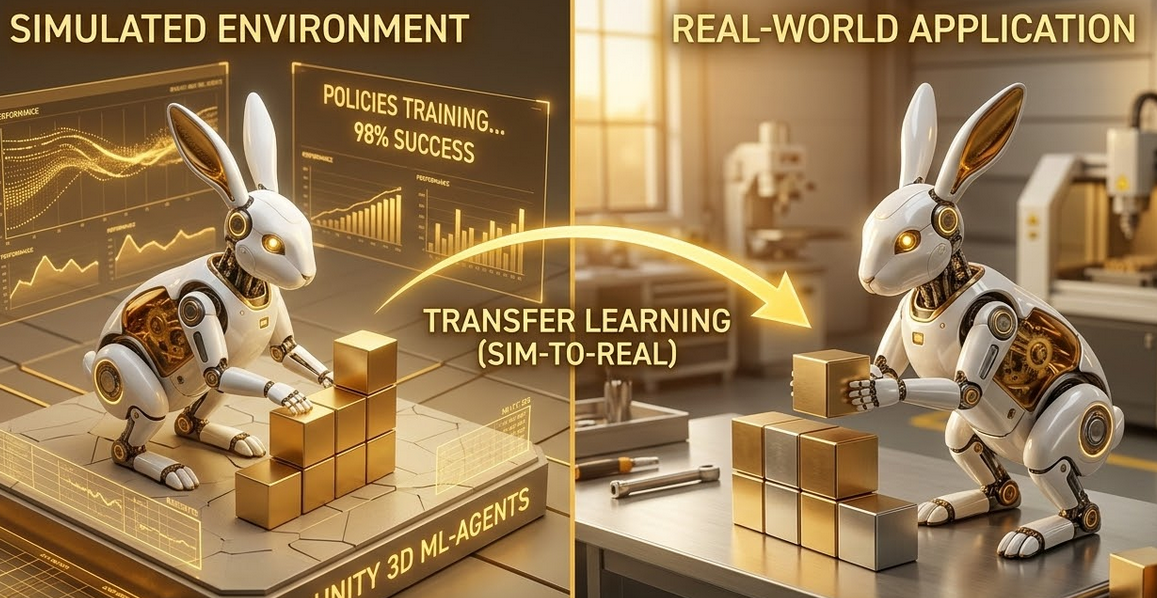
- The Reality Gap & Sim-to-Real: Theoretical exploration of how high-fidelity physics engines (Unity, Unreal) can bridge the gap for Robotics and physical automation via Transfer Learning.
- Critical Bottlenecks: Identification of the primary challenges in 2022: Data scarcity in training, computational overhead, and reward shaping in non-linear environments.


- AI Paradigms: Deep Q-Learning (DQN), Neural Network architectures, and Reward-based optimization.
- Simulation Engines: Strategic evaluation of Unity (ML-Agents) and Unreal Engine as research sandboxes.
- Research Scope: Computer Vision integration, Physics Engine fidelity, and Heuristic-free autonomous navigation.
- Status: Final year research synthesis for the Computer Science Degree (Paris 8 University, 2022).
- Timeline Note: Conducted in June 2022, leveraging state-of-the-art research prior to the mainstream explosion of Generative AI.
This research is anchored in a multi-disciplinary bibliography, bridging the gap between foundational AI theory and modern industrial applications.
- Sutton, R. S., & Barto, A. G. (1998). Reinforcement Learning: An Introduction. MIT Press. (The foundational framework for all RL logic).
- Justesen, N. et al. (2020). Deep Learning for Video Game Playing. IEEE Transactions on Games.
- Shao, K. et al. (2019). A Survey of Deep Reinforcement Learning in Video Games. arXiv.org.
- Ariyurek, S. et al. (2021). Automated Video Game Testing Using Synthetic and Humanlike Agents. IEEE Transactions on Games.
- Jiang, C. (2020). Analysis of Artificial Intelligence Applied in Video Games. IEEE.
- Gruenwoldt, L. et al. Creating Reactive Non-Player Character AI in Modern Video Games.
- Lawson, G. (2003). Stop Relying on Cognitive Science In Game Design - Use Social Science. Gamasutra.