GeezerVisonThe World Wide Web, restored to 800 pixels of glory. |
| Home|About|Gaming cabinet|Archives|How it works|Starter sites |
GeezerVison is showing jiemingcui.github.io — Jieming Cui I am currently a third-year Ph.D. student at the Institute of Artificial Intelligence at Peking University, where I'm part of both the CoRe Lab and the General Vision Lab, under the guidance of Tengyu Liu, Siyuan Huang, and Yixin Zhu. Additionally, I'm undertaking an internship at NVIDIA. My research focuses on human motion generation, robotics, scene understanding, and leveraging AI for scientific discovery, particularly in the field of biology. Moving forward, my research will focus on how embodied agents can execute actions based on open-vocabulary instructions within real-world environments. I graduated from Beihang University, advised by Guizhen Yu and Yunpeng Wang. 🔥 News
📝 PreprintsIn Submission
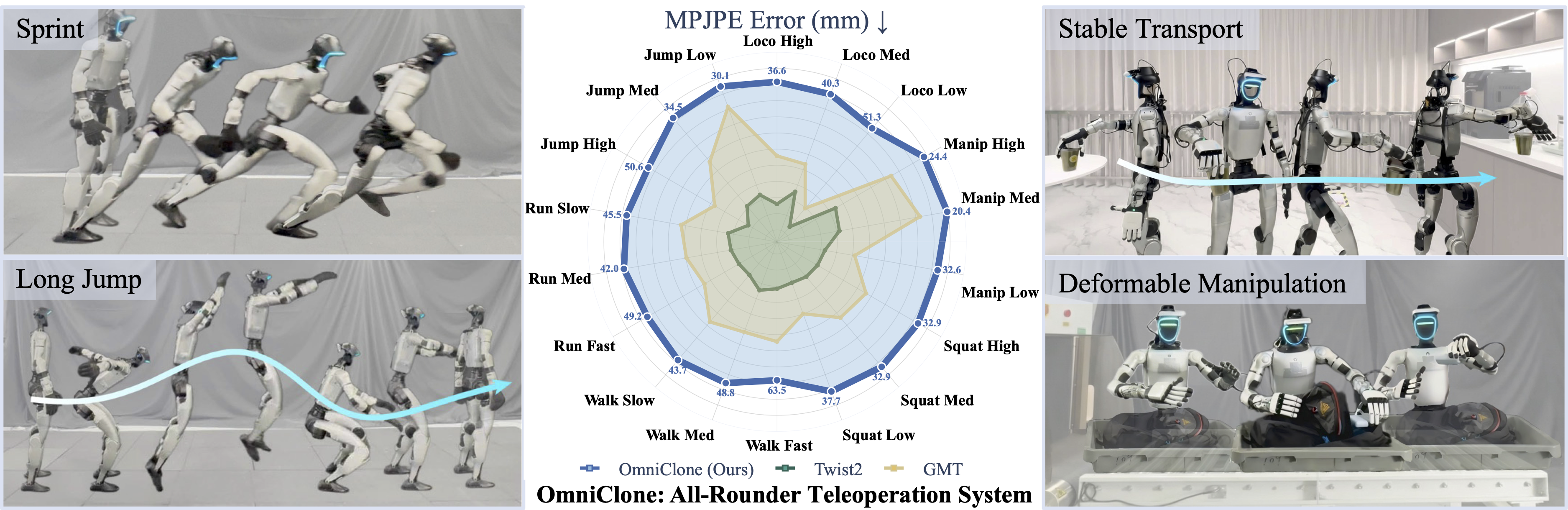
OmniClone: Engineering a Robust, All-RounderWhole-Body Humanoid Teleoperation System We introduce OmniClone, a whole-body humanoid teleoperation system that achieves high-fidelity, multi-skill control spanning dexterous manipulation and coordinated locomotion. The full pipeline runs on a single consumer GPU and is trained with modest demonstration data, making responsive whole-body teleoperation practical without prohibitive compute or collection cost. In Submission
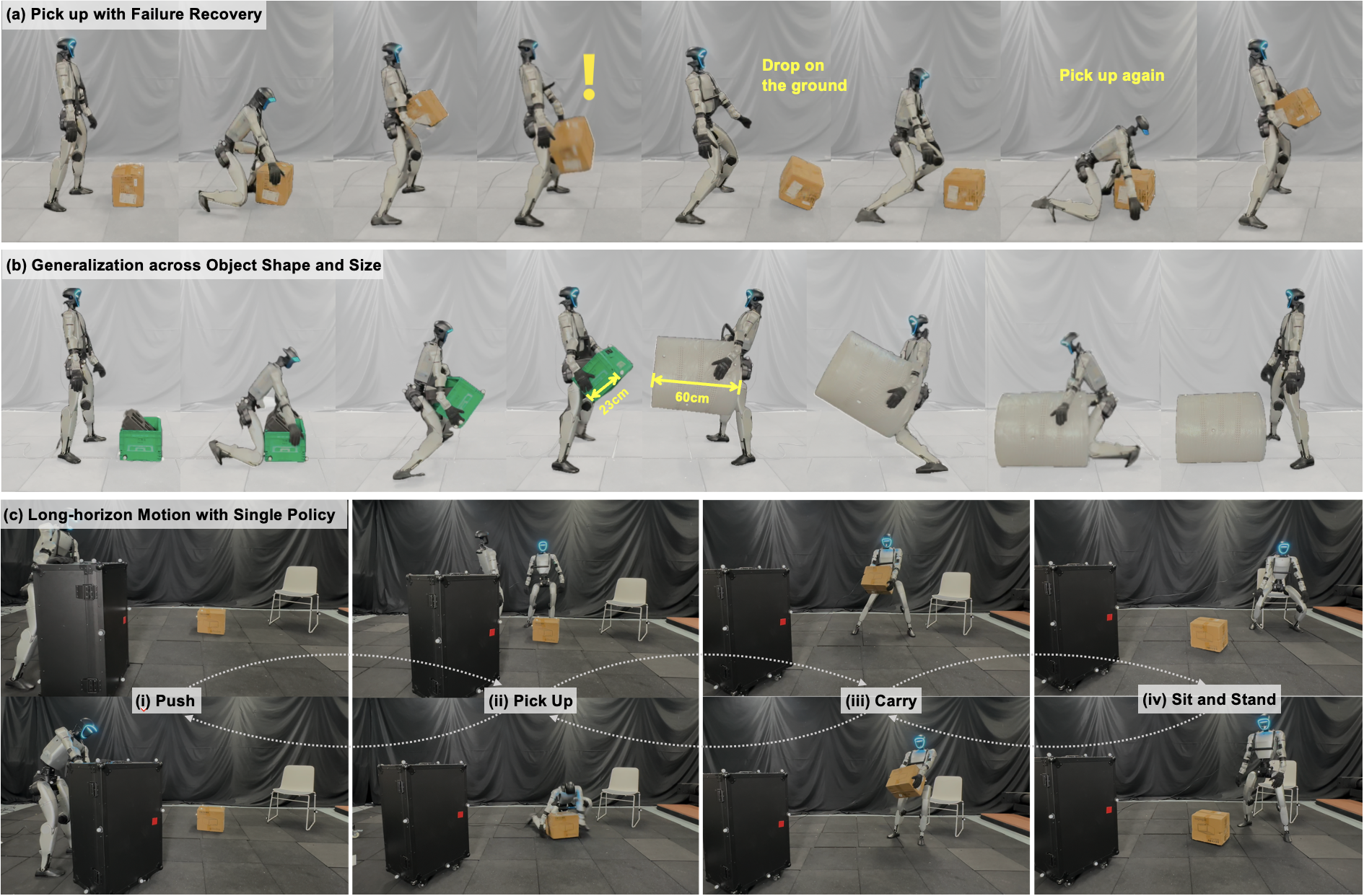
LessMimic: Long-Horizon Humanoid Interaction with Unified Distance Field Representations Project / Code / Video / Paper We introduce LessMimic, a unified interaction representation enabling reference-free inference, geometric generalization, and long-horizon skill composition within one policy remains an open challenge. In Submission
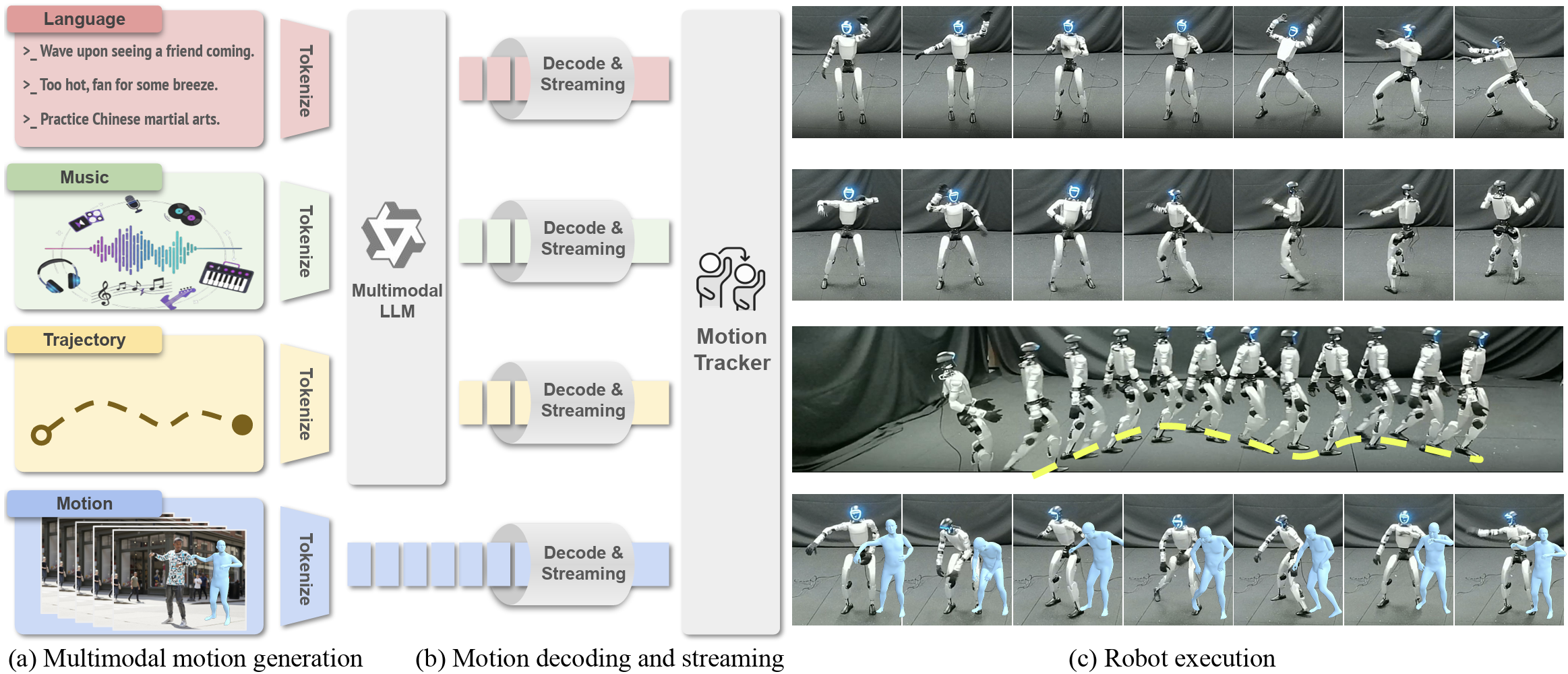
UniAct: Unified Motion Generation and Action Streaming for Humanoid Robots Project / Code / Video / Paper We introduce UniAct, a two-stage framework integrating a fine-tuned MLLM with a causal streaming pipeline, enabling humanoid robots to execute multimodal instructions with sub-500ms latency. 📝 PublicationsCogSci 2026
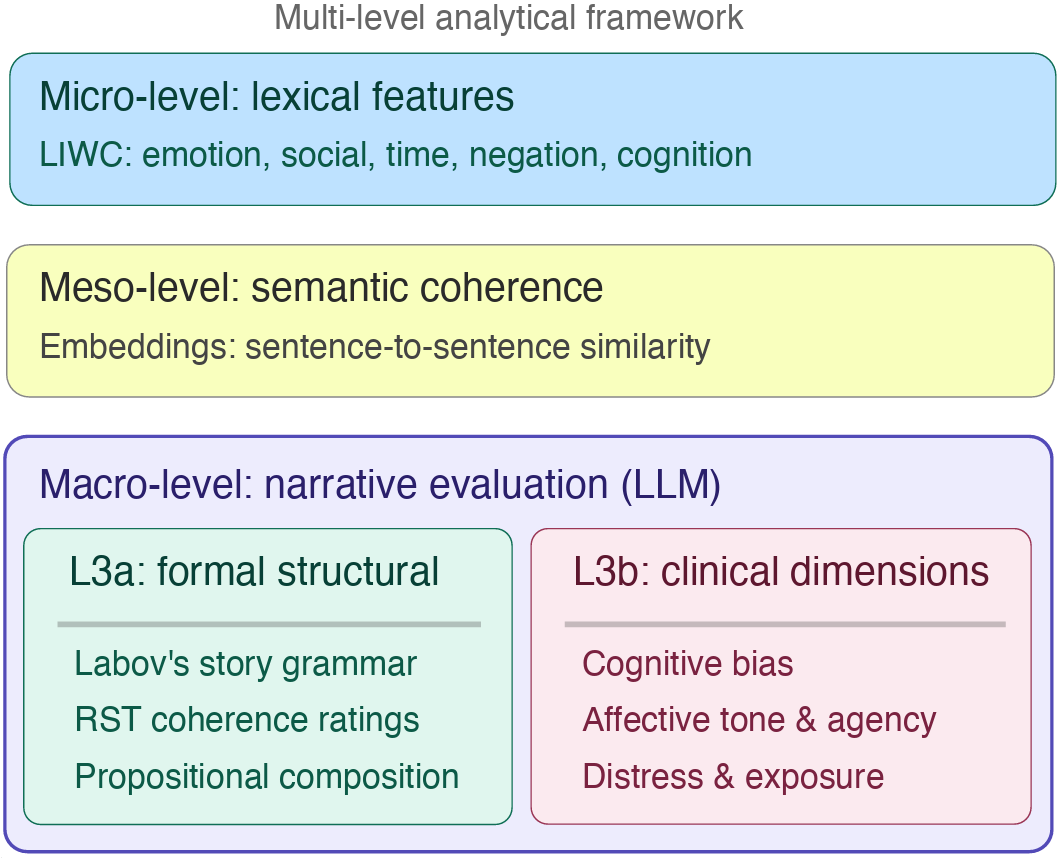
Multi-Level Narrative Evaluation Outperforms Lexical Features for Mental Health We introduce a three-level framework—micro-level lexical features, meso-level semantic embeddings, and macro-level LLM narrative evaluation—and show, across 830 Chinese therapeutic texts spanning depression, anxiety, and trauma, that macro-level evaluation substantially outperforms lexical and embedding features for mental health prediction. CoRL 2025
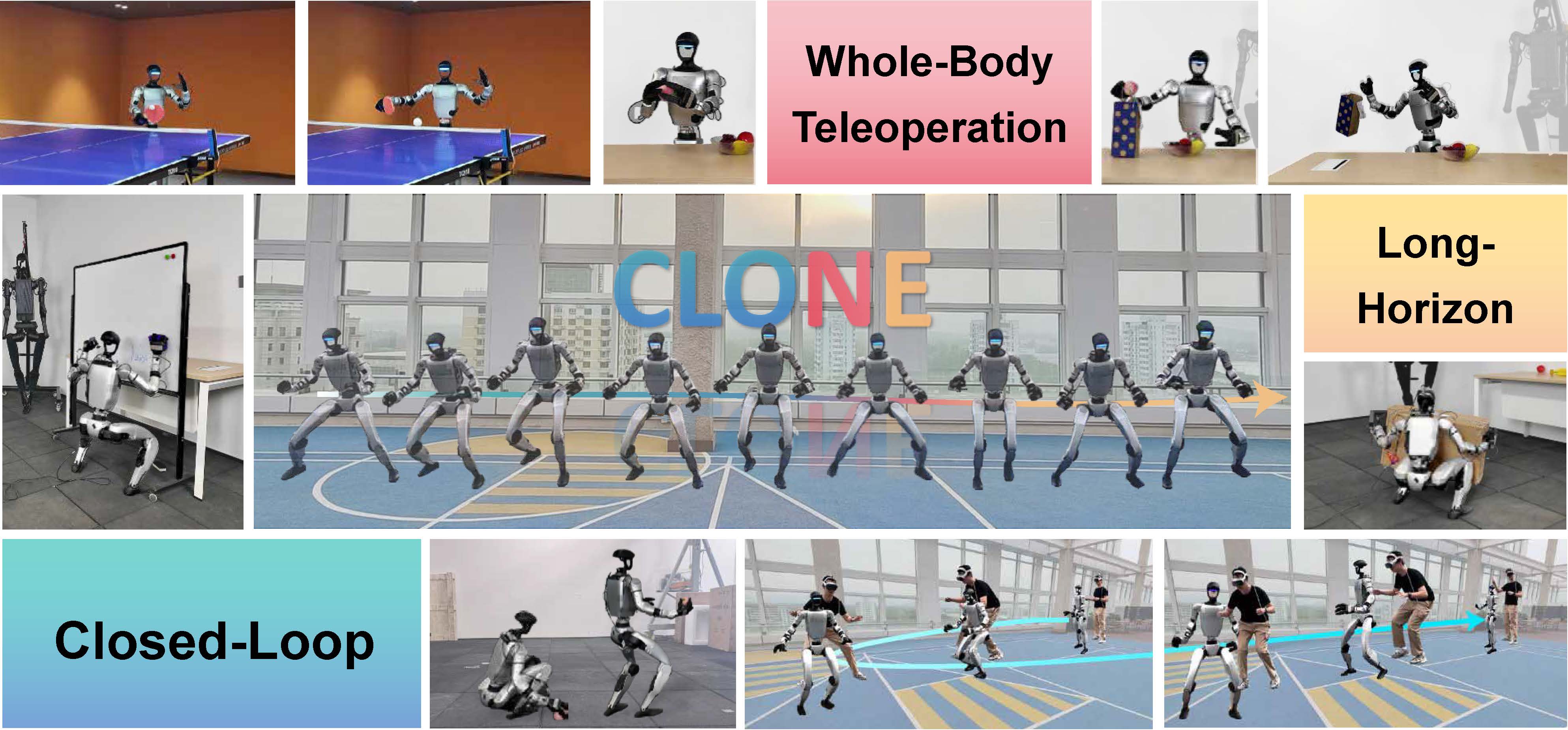
CLONE: Closed-Loop Whole-Body Humanoid Teleoperation for Long-Horizon Tasks Project / Code / Video / Paper We introduce CLONE, an MoE-based policy with closed-loop error correction for holistic humanoid teleoperation. It enables capabilities previously unattainable with existing systems—such as whole-body coordination and long-horizon task execution, with minimal input from a commercial MR headset. CVPR 2025 Oral
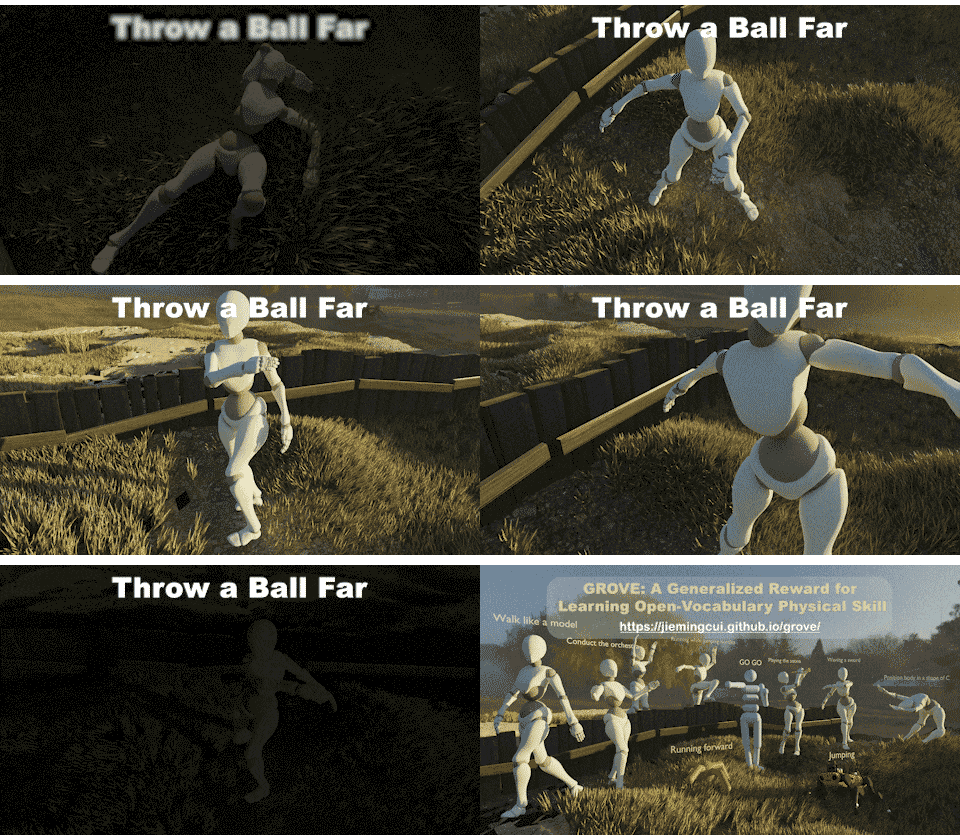
GROVE: A Generalized Reward for Learning Open-Vocabulary Physical Skill Project / Code / Video / Paper / 北大新闻网 / 北大科研进展速览 We introduce GROVE, a generalized reward framework that enables open-vocabulary physical skill learning without manual engineering or task-specific demonstrations. CVPR 2024

AnySkill: Learning Open-Vocabulary Physical Skill for Interactive Agents Project / Code / Video / Paper We propose AnySkill, a novel hierarchical method that learns physically plausible interactions following open-vocabulary instructions. An important feature of our method is the use of image-based rewards for the high-level policy, which allows the agent to learn interactions with objects without manual reward engineering. NeurIPS 2023
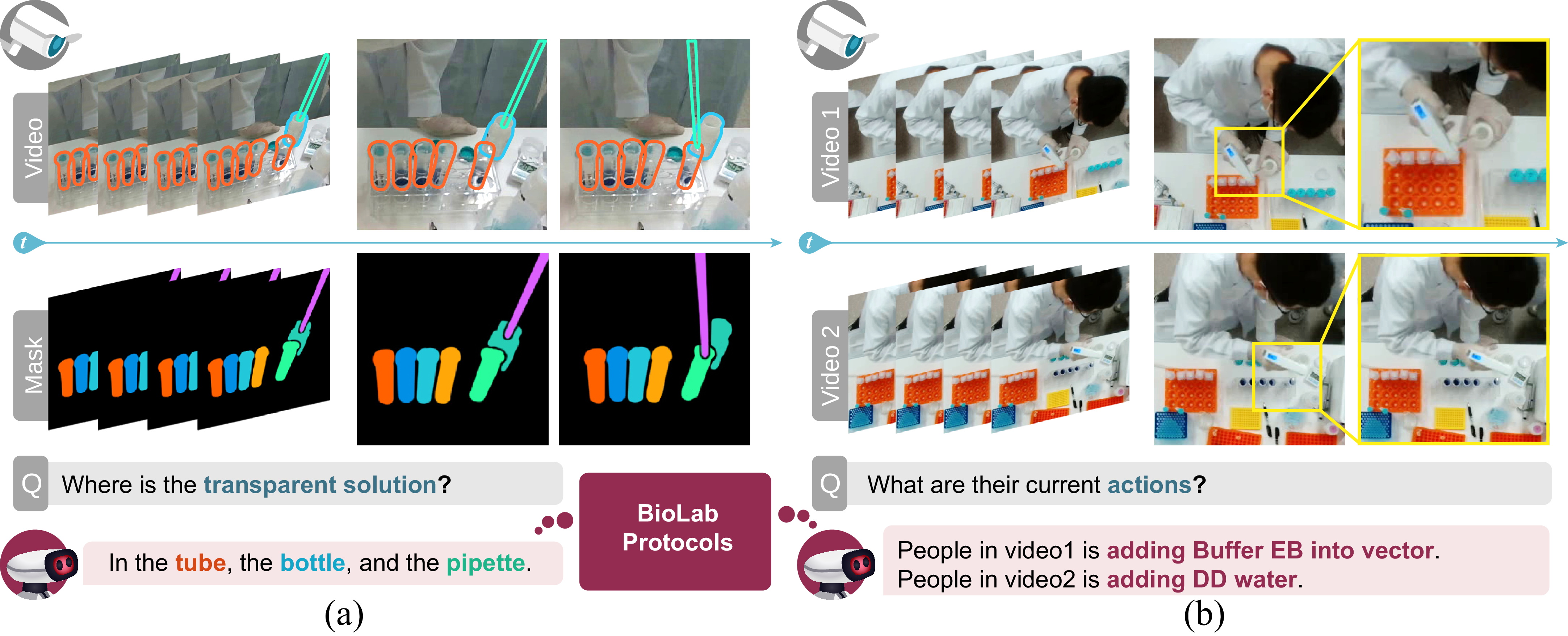
ProBio: A Protocol-guided Multimodal Dataset for Molecular Biology Lab Project / Code / Video / Paper / 北大AI院官微 We first curate a comprehensive multimodal dataset, named ProBio, as an initial step towards monitoring system. This dataset comprises fine-grained hierarchical annotations intended for the purpose of studying activity understanding in Biology lab. ICCV 2023
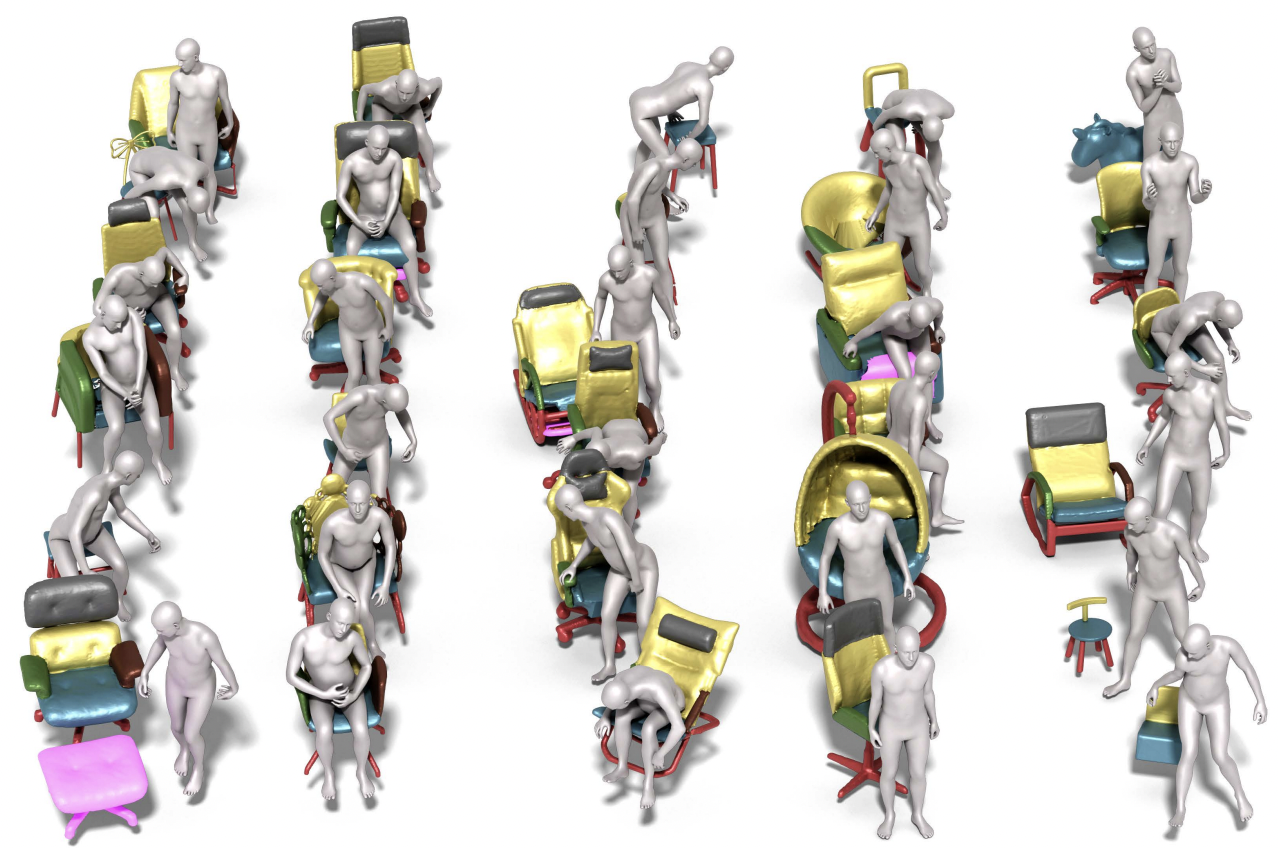
Full-Body Articulated Human-Object Interaction We present CHAIRS, a large-scale motion-captured f-AHOI dataset, consisting of 16.2 hours of versatile interactions between 46 participants and 74 articulated and rigid sittable objects. CHAIRS provides 3D meshes of both humans and articulated objects during the entire interactive process, as well as realistic and physically plausible full-body interactions. ASCE 2021
Forecasting Freeway On-Ramp Lane-Changing Behavior Based on GRU,
Jieming Cui*, Guizhen Yu* , Bin Zhou, Qiujun Liu, Zhengguo Guan†
SAE 2021
Three-Dimensional Object Detection Based on Deep Learning in Enclosed Scenario,
Jieming Cui*, Guizhen Yu* , Na Zhang, Zhangyu Wang
📖 Educations
💻 Internships
|
| You are visitor 01402503 — GeezerVison does not store the pages you look up. Best viewed with Netscape Navigator 4.7 or Internet Explorer 6 at 800×600. No cookies required. |