GeezerVisonThe World Wide Web, restored to 800 pixels of glory. |
| Home|About|Gaming cabinet|Archives|How it works|Starter sites |
GeezerVison is showing loopsplat.github.io — LoopSplat 
LoopSplatLoop Closure by Registering 3D Gaussian Splats3DV 2025 (Oral)
1Stanford University
2University of Amsterdam
3ETH Zurich
TL;DR: We present LoopSplat, a dense RGB-D SLAM system that uses 3D Gaussian Splats as a unified scene representation for tracking, mapping and maintaining global consistency.AbstractSimultaneous Localization and Mapping (SLAM) based on 3D Gaussian Splats (3DGS) has recently shown promise towards more accurate, dense 3D scene maps. However, existing 3DGS-based methods fail to address the global consistency of the scene via loop closure. To this end, we propose LoopSplat, which takes RGB-D images as input and performs dense mapping with 3DGS submaps and frame-to-model tracking. LoopSplat triggers loop closure online and computes relative loop edge constraints between submaps directly via 3DGS registration, leading to improvements in efficiency and accuracy over traditional global-to-local point cloud registration. It uses a robust pose graph optimization formulation and rigidly aligns the submaps to achieve global consistency. Evaluation on the synthetic Replica and real-world TUM-RGBD, ScanNet, and ScanNet++ datasets demonstrates competitive or superior tracking, mapping, and rendering compared to existing methods for dense RGB-D SLAM. Method
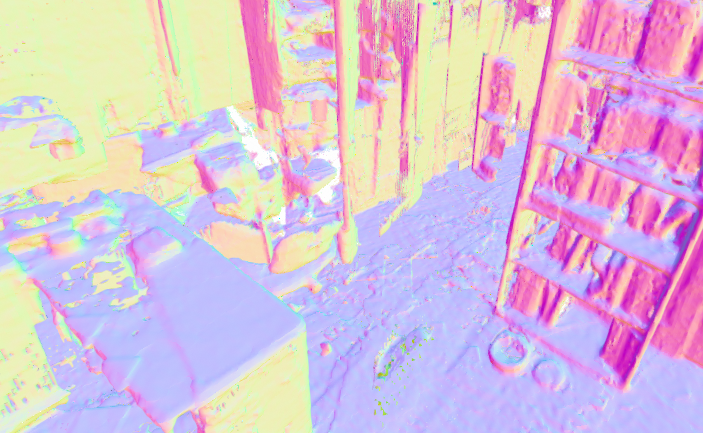
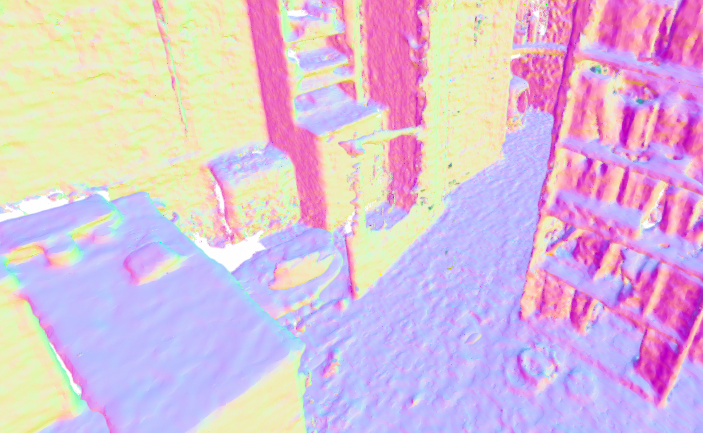
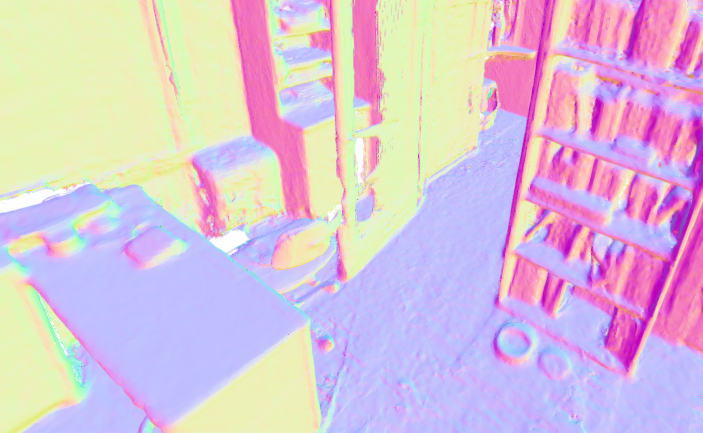
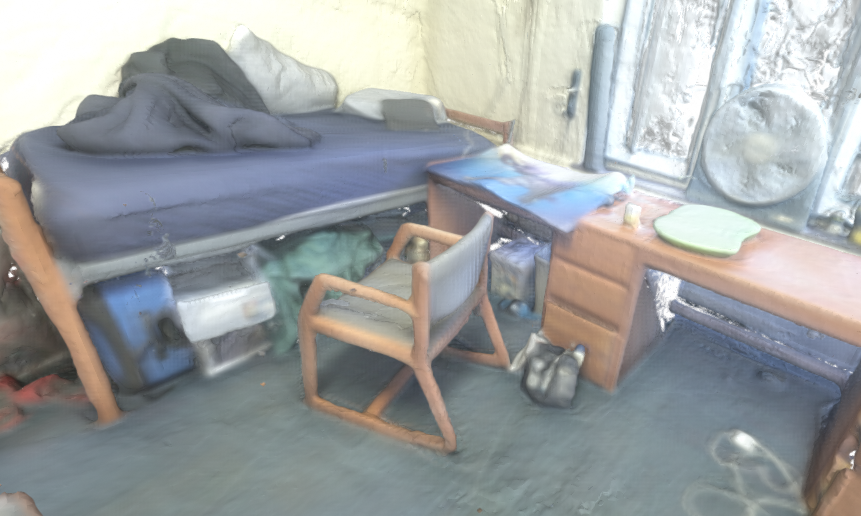
LoopSplat is a coupled RGB-D SLAM system that uses Gaussian splats as a unified scene representation for tracking, mapping, and maintaining global consistency. In the front-end, it continuously estimates the camera position while constructing the scene using Gaussian splats. When the camera traverses beyond a predefined threshold, the current submap is finalized, and a new one is initiated. Concurrently, the back-end loop closure module monitors for location revisits. Upon detecting a loop, the system generates a pose graph, incorporating loop edge constraints derived from our proposed 3DGS registration. Subsequently, pose graph optimization (PGO) is executed to refine both camera poses and submaps, ensuring overall spatial coherence. Qualitative ResultsMesh ReconstructionPlease make sure "use hardware acceleration when available" is enabled for chrome and WebGL is enabled in Safari.Scene 54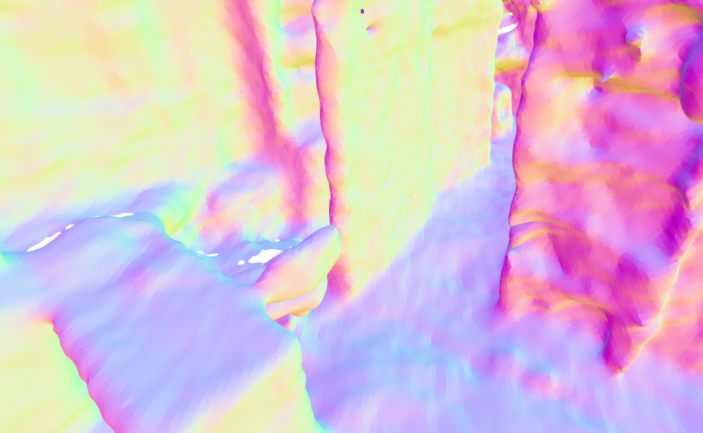
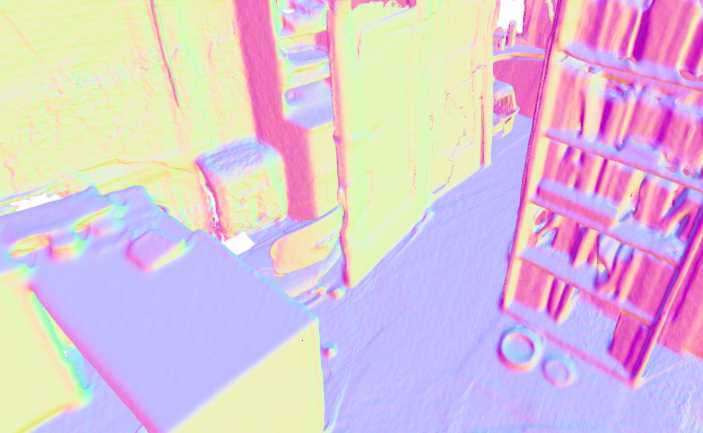


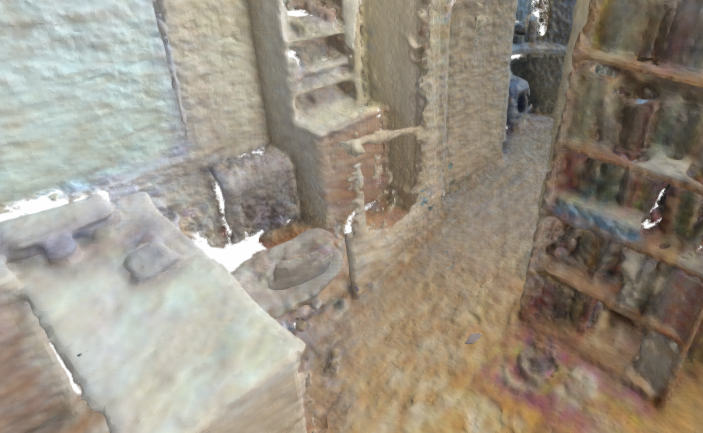
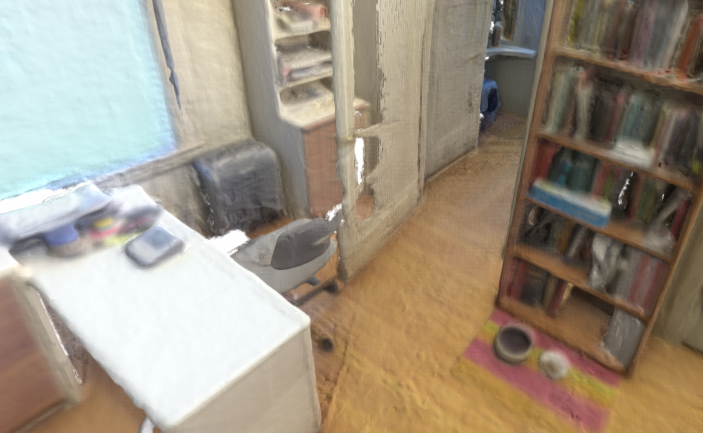
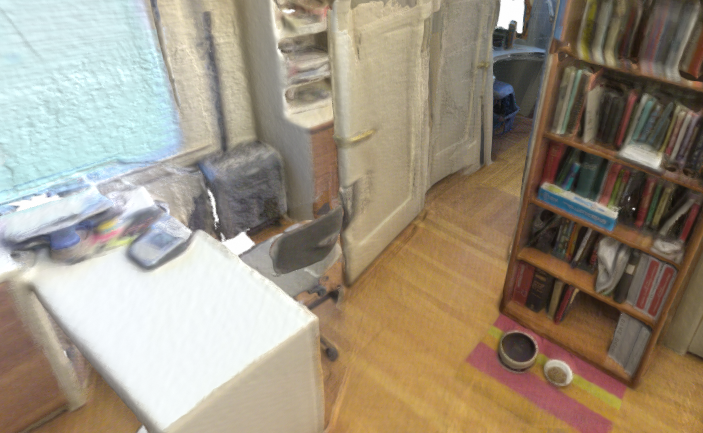
Scene 181Topview

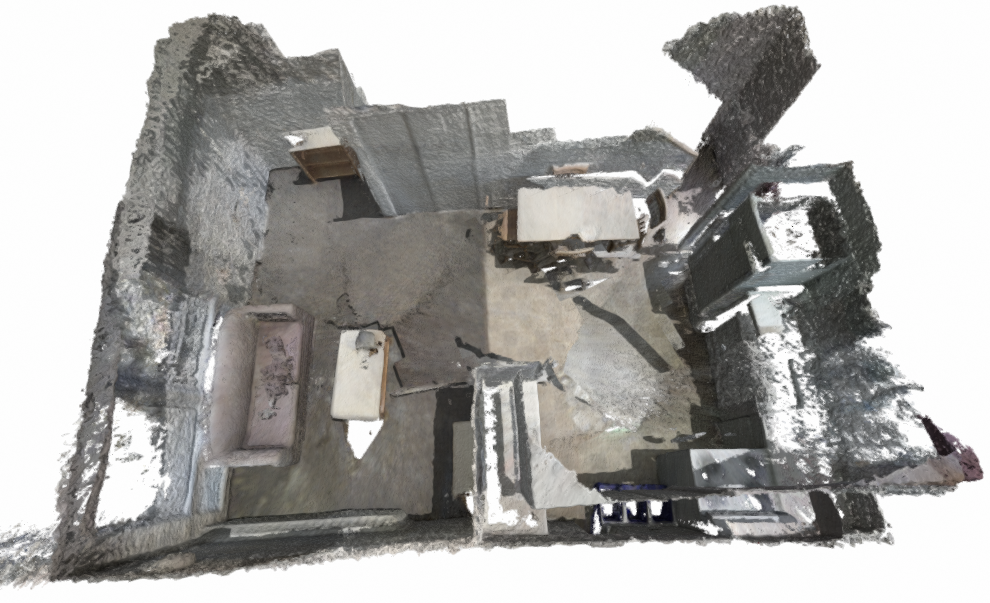
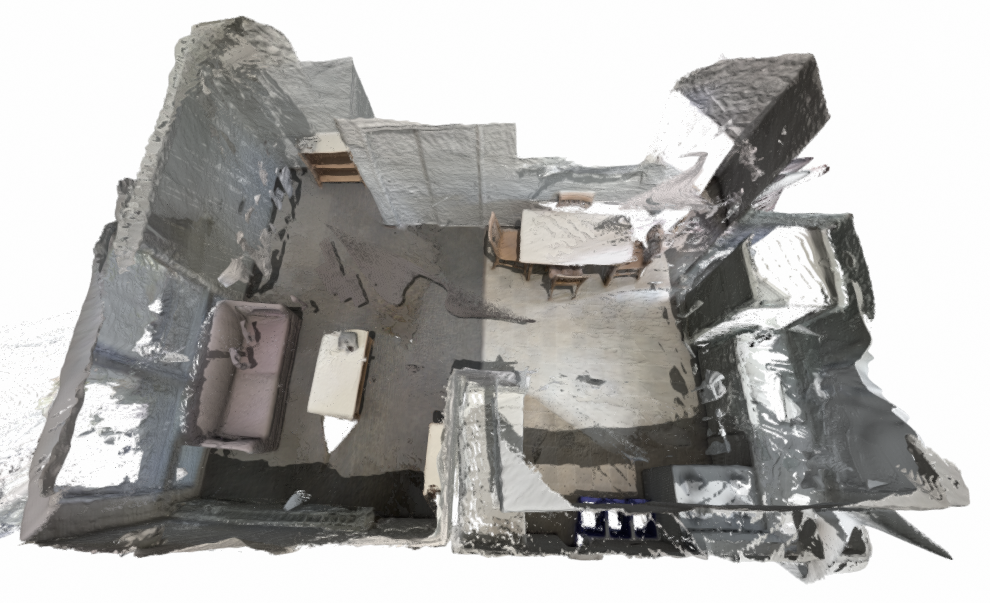
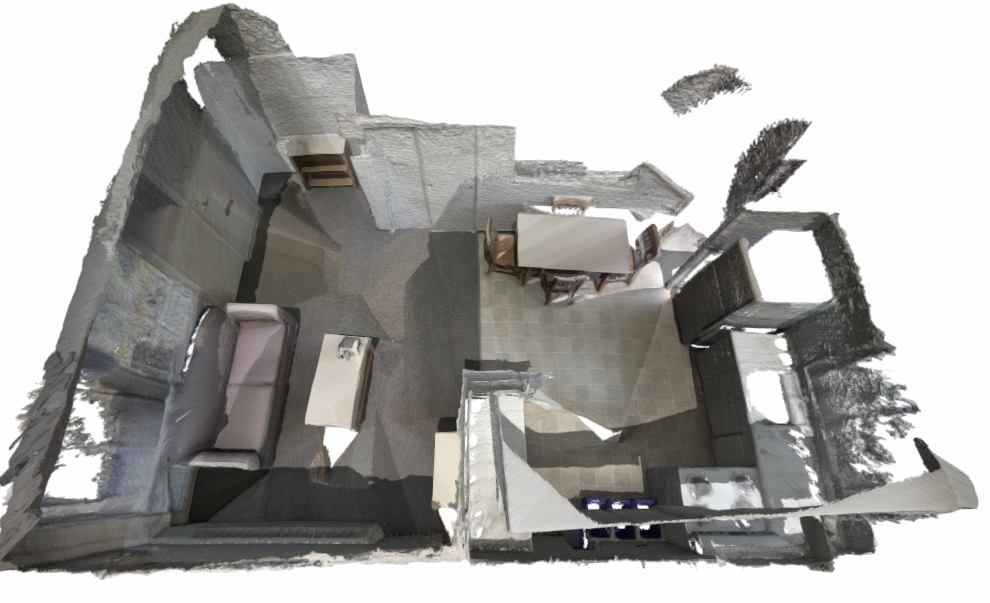
Normals

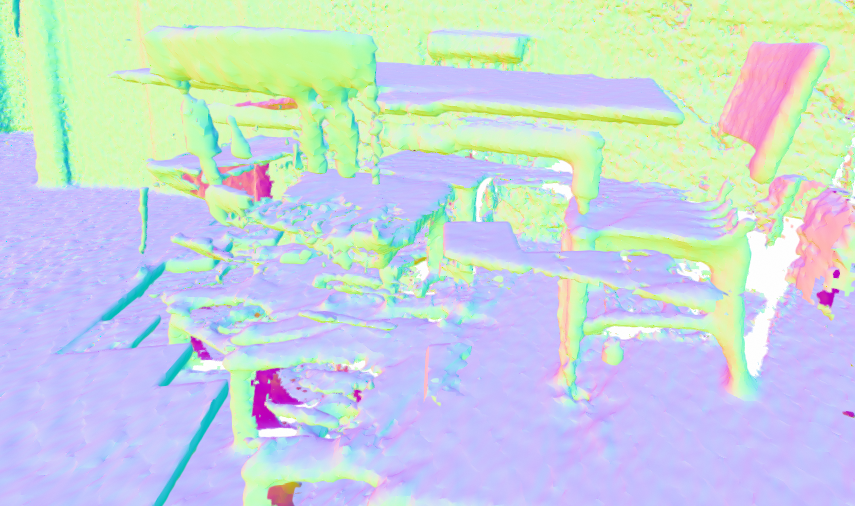
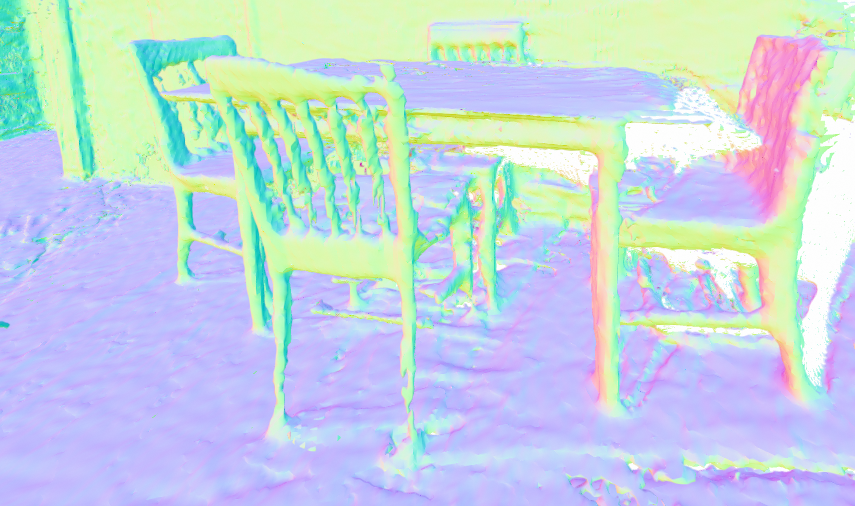
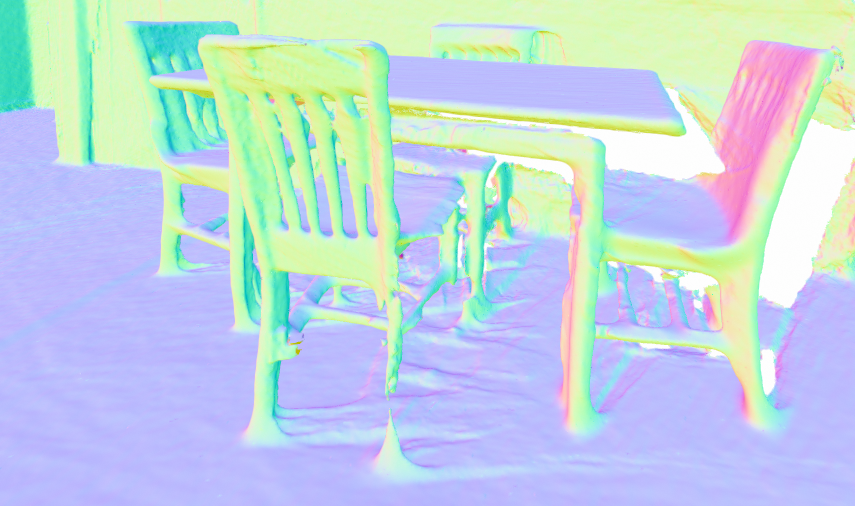
Scene 233Reconstruction



BibTeXAcknowledgementsWe thank Jianhao Zheng and Yue Pan for the fruitful discussions. |
| You are visitor 01402503 — GeezerVison does not store the pages you look up. Best viewed with Netscape Navigator 4.7 or Internet Explorer 6 at 800×600. No cookies required. |