GeezerVisonThe World Wide Web, restored to 800 pixels of glory. |
| Home|About|Gaming cabinet|Archives|How it works|Starter sites |
GeezerVison is showing explorable.com — Dependent Variable 
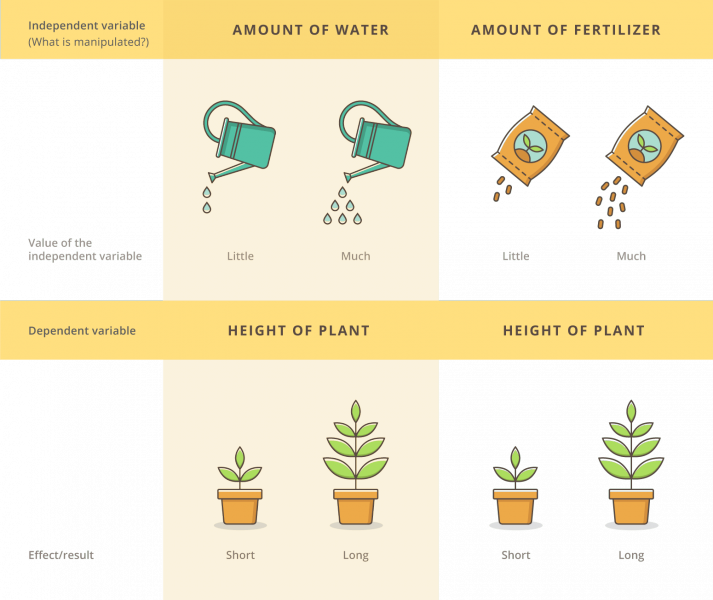
Dependent VariableMartyn Shuttleworth In any true experiment, a researcher manipulates an independent variable, to influence a dependent variable, or variables. This article is a part of the guide:Discover 21 more articles on this topic Don't miss these related articles: Browse Full OutlineWhat is a Dependent Variable? In an experiment, the independent variable is manipulated and the effects observed. These observed effects are called dependent variables. They are often the hypothesized outcome of manipulating the independent variable. A change in the dependent variable depends on the independent variable, hence the name. The dependent variable responds to the independent variable, and it’s this relationship that researchers attempt to measure when conducting experiments.
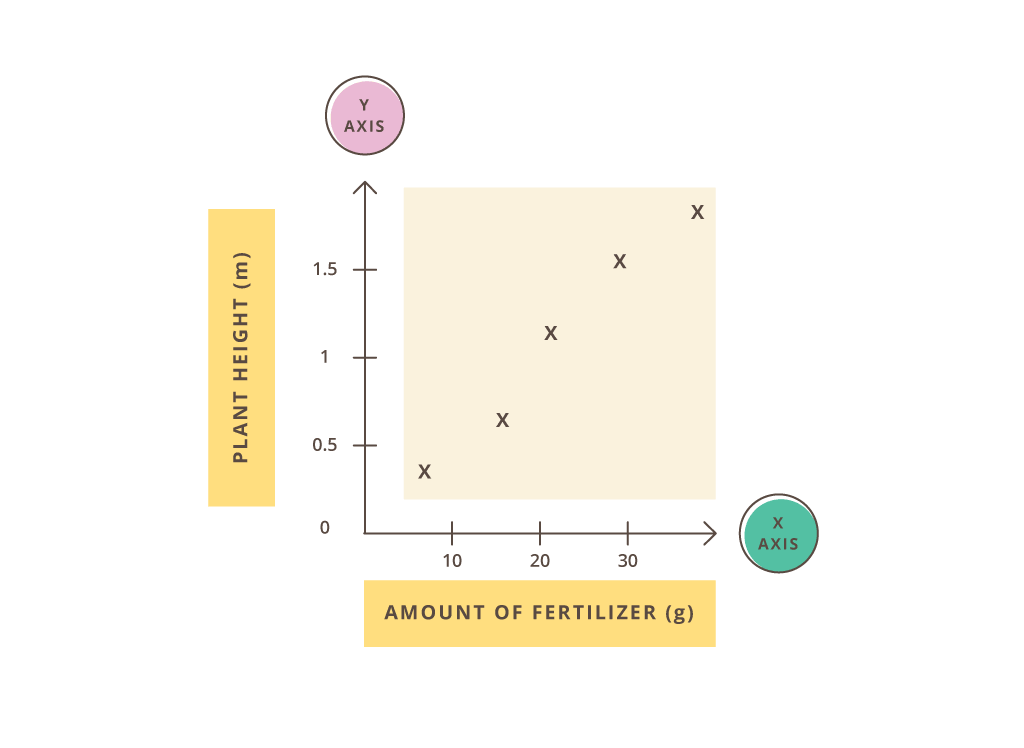
A well-designed experiment normally incorporate one or two independent variables, with every other possible factor eliminated, or controlled. There may be more than two dependent variables in any experiment. Dependent Variable Examples A researcher might wish to establish the effect of fertilizer on the rate of plant growth; amount of fertilizer is the independent variable. They could regard growth as height, weight, number of fruits produced, or all of these. A whole range of dependent variables arises from one independent variable.
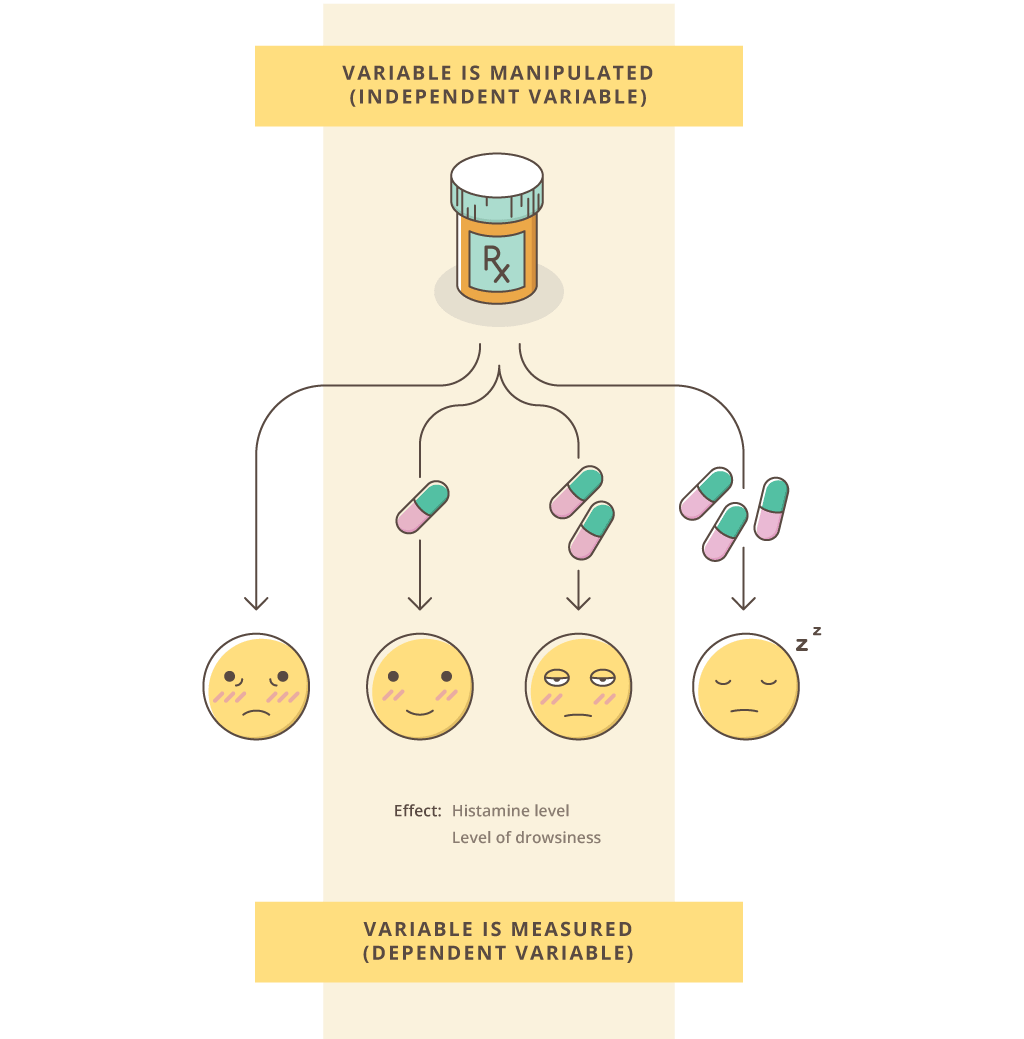
For an example, consider pharmaceutical trials, where researchers may administer new medicines to participants to determine the optimal dose. The independent variable is how much medicine the participants receive. If the medicine is an antihistamine, the dependent variable might be the severity of allergy symptoms a participant displays, such as red eyes or sneezing.
Here, the researchers might also measure other relevant dependent variables which may turn out to be unwanted side effects of the medicine, such as drowsiness. In any experimental design, the researcher must determine that there is a definite causal link between the independent and dependent variable.This reduces the risk of 'correlation and causation' errors. Controlled variables are used to reduce the possibility of any other factor influencing changes in the dependent variable, known as confounding variables. In the above plant growth example, the plants must all be given the same amount of water, or this factor could obscure any link between fertilizer and growth. For the antihistamine trial, a confounding variable may be that a participant’s symptoms could improve simply with the passage of time. This is addressed with a control group that receives no medicine at all, allowing researchers to compare all groups and isolate only the true effects of the medicine. The participants might also be asked to stop all other medication during the experiment – another possible confounding variable. The relationship between the independent variable and dependent variable is the basis of most statistical tests, which establish whether there is a significant correlation between the two. The results of these tests allow the researcher to accept or reject the null hypothesis, and draw conclusions. Independent Variable or Dependent Variable? It can sometimes be tricky to tell the independent and dependent variable apart. If you’re unsure:
Full reference: Martyn Shuttleworth, Lyndsay T Wilson (Jul 4, 2008). Dependent Variable. Retrieved Oct 28, 2026 from Explorable.com: https://explorable.com/dependent-variable You Are Allowed To Copy The TextThe text in this article is licensed under the Creative Commons-License Attribution 4.0 International (CC BY 4.0). This means you're free to copy, share and adapt any parts (or all) of the text in the article, as long as you give appropriate credit and provide a link/reference to this page. That is it. You don't need our permission to copy the article; just include a link/reference back to this page. You can use it freely (with some kind of link), and we're also okay with people reprinting in publications like books, blogs, newsletters, course-material, papers, wikipedia and presentations (with clear attribution). This article is a part of the guide:Discover 21 more articles on this topic Don't miss these related articles: Browse Full OutlineThank you to... This project has received funding from the European Union's Horizon 2020 research and innovation programme under grant agreement No 827736.
 Explorable.com - 2008-2026 You are free to copy, share and adapt any text in the article, as long as you give appropriate credit and provide a link/reference to this page. This website uses cookiesThis website uses cookies. By agreeing you consent to all cookies on this website in accordance with our Cookie Policy. Read more |
| You are visitor 01402503 — GeezerVison does not store the pages you look up. Best viewed with Netscape Navigator 4.7 or Internet Explorer 6 at 800×600. No cookies required. |