GeezerVisonThe World Wide Web, restored to 800 pixels of glory. |
| Home|About|Gaming cabinet|Archives|How it works|Starter sites |
GeezerVison is showing learn.sparkfun.com — Connector Basics - SparkFun Learn
≡ Pages
Contributors:
Share
Use this URL to share:
Resources and Going FurtherYou should now have a good idea which connectors are suited best for certain applications and which connectors will be useful to you in your next project. Please check out these other links to lean more about connectors.
Interested in learning more foundational topics?See our Engineering Essentials page for a full list of cornerstone topics surrounding electrical engineering. 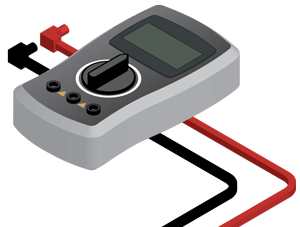
If you'd like top explore more SparkFun tutorials, check out these other offerings: Serial Communication
Asynchronous serial communication concepts: packets, signal levels, baud rates, UARTs and more!
Serial Peripheral Interface (SPI)
SPI is commonly used to connect microcontrollers to peripherals such as sensors, shift registers, and SD cards.
What is an Arduino?
What is this 'Arduino' thing anyway? This tutorials dives into what an Arduino is and along with Arduino projects and widgets.
Logic Levels
Learn the difference between 3.3V and 5V devices and logic levels.
Electric Power
An overview of electric power, the rate of energy transfer. We'll talk definition of power, watts, equations, and power ratings. 1.21 gigawatts of tutorial fun!
I2C
An introduction to I2C, one of the main embedded communications protocols in use today.
Alternating Current (AC) vs. Direct Current (DC)
Learn the differences between AC and DC, the history, different ways to generate AC and DC, and examples of applications.
Three Quick Tips About Using U.FL
Quick tips regarding how to connect, protect, and disconnect U.FL connectors.
Or check out these related blog post:
Share
Use this URL to share:
Pages
Introduction
Connector Terminology
USB Connectors
Audio Connectors
Power Connectors
SMA Antenna Connectors
Pin Header Connectors
Temporary Connectors
Other Connectors
Resources and Going Further
Comments
6
Single Page
Print
|
| You are visitor 01402503 — GeezerVison does not store the pages you look up. Best viewed with Netscape Navigator 4.7 or Internet Explorer 6 at 800×600. No cookies required. |
