GeezerVisonThe World Wide Web, restored to 800 pixels of glory. |
| Home|About|Gaming cabinet|Archives|How it works|Starter sites |
GeezerVison is showing thepythoncode.com — How to Make a Subdomain Scanner in Python - The Python Code Kickstart your coding journey with our Python Code Assistant. An AI-powered assistant that's always ready to help. Don't miss out! Finding subdomains of a particular website lets you explore its full domain infrastructure of it. Building such a tool is really handy in the information gathering phase in penetration testing for ethical hackers. Searching for subdomains manually would take forever. Luckily, we don't have to do that. In this tutorial, we will build a subdomain scanner in Python using the requests library. Let's get started! Related: How to Use Shodan API in Python. Let's install it: The method we gonna use here is brute-forcing. In other words, we gonna test all common subdomain names of that particular domain. Whenever we receive a response from the server, that's an indicator for us that the subdomain is alive. Open up a new Python file and follow along. Let's use google.com for demonstration purposes; and I used it because google has a lot of subdomains, though: Get: Build 24 Ethical Hacking Scripts & Tools with Python Book Now we gonna need a big list of subdomains to scan, I've used a list of 100 subdomains just for demonstration, but in the real world, if you really want to discover all subdomains, you gotta use a bigger list. Check this GitHub repository which contains up to 10K subdomains. I have a file "subdomains.txt" in the current directory. Make sure you do, too (grab the list of your choice in this repository): Now First, we build up the URL to be suitable for sending a request, and then we use requests.get() function to get the HTTP response from the server. This will raise a ConnectionError exception whenever a server does not respond; that's why we wrapped it in a try/except block. When the exception wasn't raised, then the subdomain exists. Let's write all the discovered subdomains to a file: Here is a part of the result when I ran the script:
Once it's finished, you'll see a new file You'll notice when you run the script that's quite slow, especially when you use longer lists, as it's using a single thread to scan. However, if you want to accelerate the scanning process, you can use multiple threads for scanning. I've already written one. Check it here. Alright, we are done. Now you know how to discover subdomains of any website you want! Finally, In our Ethical Hacking with Python Ebook, we built 24 hacking tools from scratch using Python. Make sure to check it out here if you're interested! Read Also: How to Get Domain Name Information in Python. Happy Scanning ♥ Save time and energy with our Python Code Generator. Why start from scratch when you can generate? Give it a try!
Sharing is caring!
Read also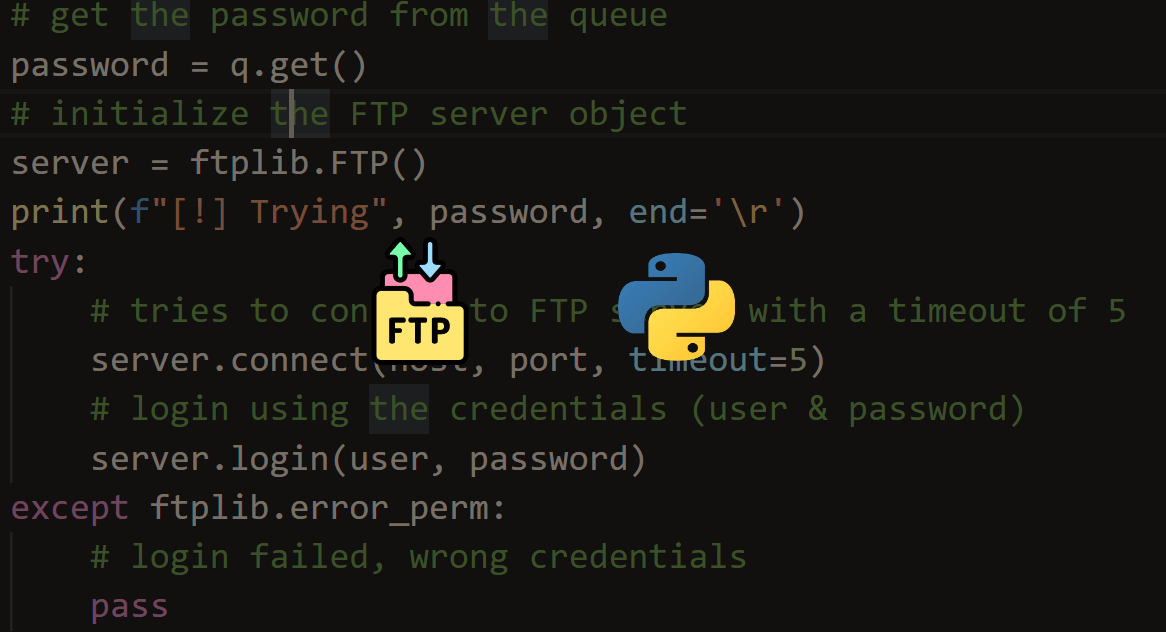
How to Brute Force FTP Servers in PythonLearning how to crack FTP servers using dictionary attack (brute-forcing with a wordlist) with the help of ftplib module in Python. 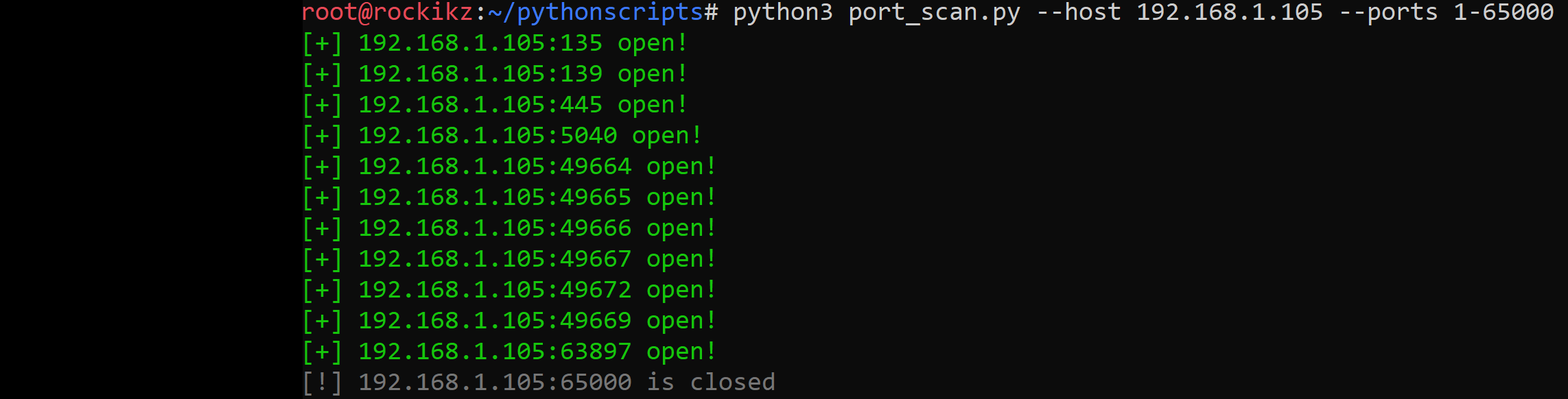
How to Make a Port Scanner in PythonLearn how to write a port scanner in Python using sockets, starting with a simple port scanner and then diving deeper to a threaded version of a port scanner that is reliable for use. 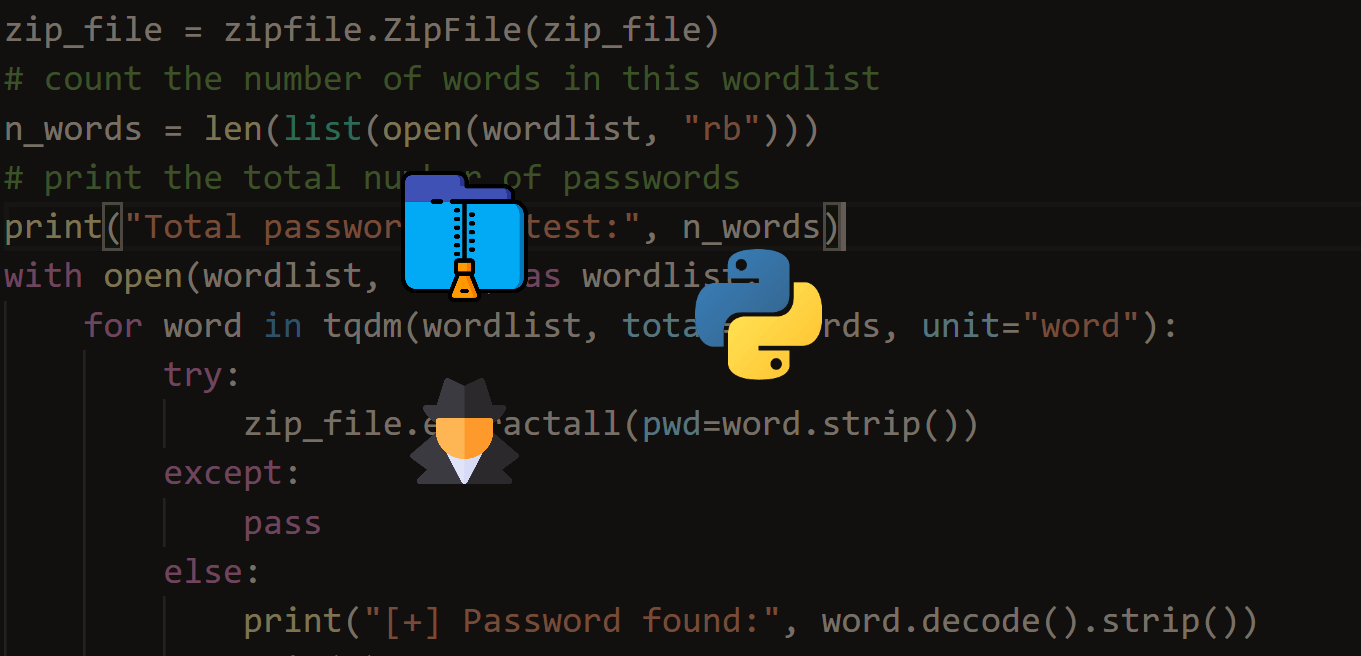
How to Brute Force ZIP File Passwords in PythonLearn how to crack zip file passwords using dictionary attack in Python using the built-in zipfile module. CommentsGot a coding query or need some guidance before you comment? Check out this Python Code Assistant for expert advice and handy tips. It's like having a coding tutor right in your fingertips! |
| You are visitor 01402503 — GeezerVison does not store the pages you look up. Best viewed with Netscape Navigator 4.7 or Internet Explorer 6 at 800×600. No cookies required. |
