GeezerVisonThe World Wide Web, restored to 800 pixels of glory. |
| Home|About|Gaming cabinet|Archives|How it works|Starter sites |
GeezerVison is showing www.runoob.com — Python 中文编码 | 菜鸟教程
Python 基础教程
Python 基础教程
Python 简介
Python 环境搭建
Python 中文编码
Python VS Code
Python 基础语法
Python 变量类型
Python 运算符
Python 条件语句
Python 循环语句
Python While 循环语句
Python for 循环语句
Python 循环嵌套
Python break 语句
Python continue 语句
Python pass 语句
Python Number(数字)
Python 字符串
Python 列表(List)
Python 元组
Python 字典(Dictionary)
Python 日期和时间
Python 函数
Python 模块
Python 文件I/O
Python File 方法
Python 异常处理
Python OS 文件/目录方法
Python 内置函数
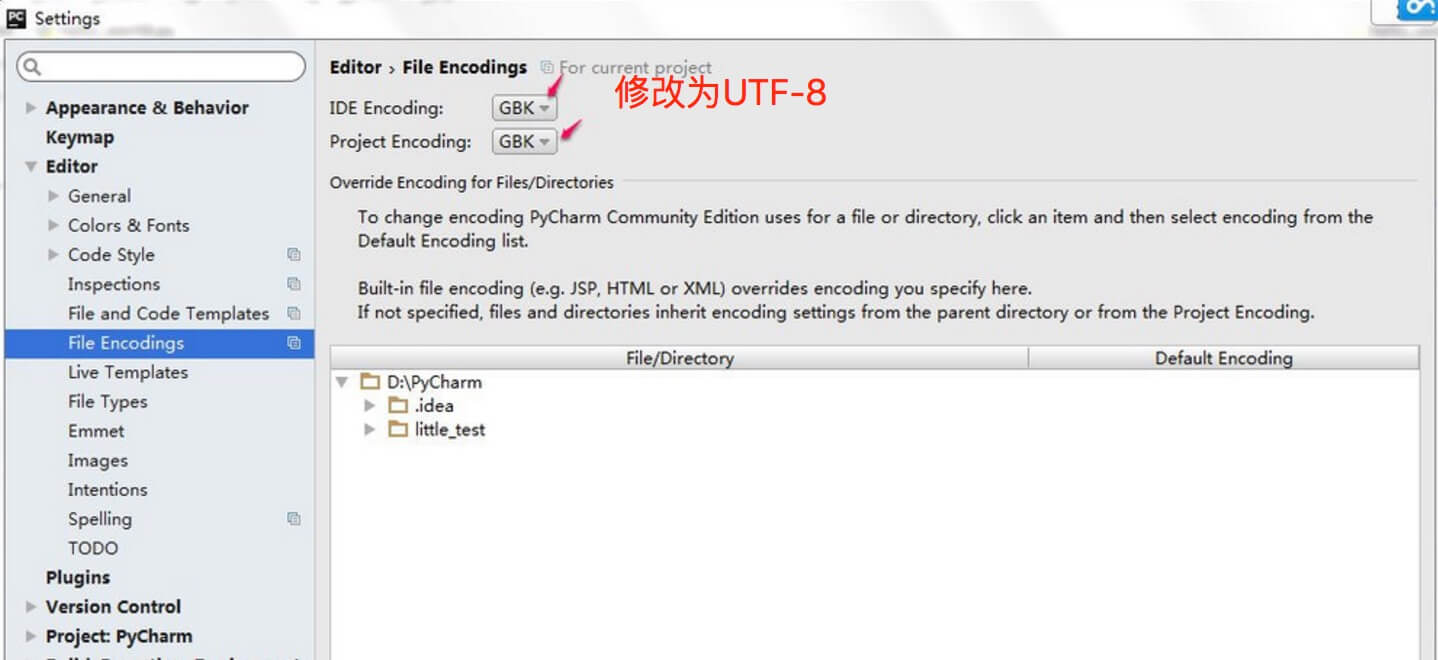
Python 高级教程Python 面向对象 Python 正则表达式 Python CGI 编程 Python MySQL Python 网络编程 Python SMTP Python 多线程 Python XML 解析 Python GUI 编程(Tkinter) Python2.x 与 3.x 版本区别 Python IDE Python JSON Python AI 绘画 Python 100例 Python 测验Python 中文编码前面章节中我们已经学会了如何用 Python 输出 "Hello, World!",英文没有问题,但是如果你输出中文字符 "你好,世界" 就有可能会碰到中文编码问题。 Python 文件中如果未指定编码,在执行过程会出现报错: #!/usr/bin/python
print ("你好,世界")
以上程序执行输出结果为: File "test.py", line 2 SyntaxError: Non-ASCII character '\xe4' in file test.py on line 2, but no encoding declared; see http://www.python.org/peps/pep-0263.html for details Python中默认的编码格式是 ASCII 格式,在没修改编码格式时无法正确打印汉字,所以在读取中文时会报错。 解决方法为只要在文件开头加入 # -*- coding: UTF-8 -*- 或者 # coding=utf-8 就行了
输出结果为: 你好,世界 所以如果大家在学习过程中,代码中包含中文,就需要在头部指定编码。
AI 思考中...
|
| You are visitor 01402775 — GeezerVison does not store the pages you look up. Best viewed with Netscape Navigator 4.7 or Internet Explorer 6 at 800×600. No cookies required. |