GeezerVisonThe World Wide Web, restored to 800 pixels of glory. |
| Home|About|Gaming cabinet|Archives|How it works|Starter sites |
GeezerVison is showing explorable.com — Sequential Sampling Method 
Sequential Sampling MethodExplorable.com Sequential sampling is a non-probability sampling technique wherein the researcher picks a single or a group of subjects in a given time interval, conducts his study, analyzes the results then picks another group of subjects if needed and so on. This article is a part of the guide:Discover 23 more articles on this topic Don't miss these related articles: Browse Full Outline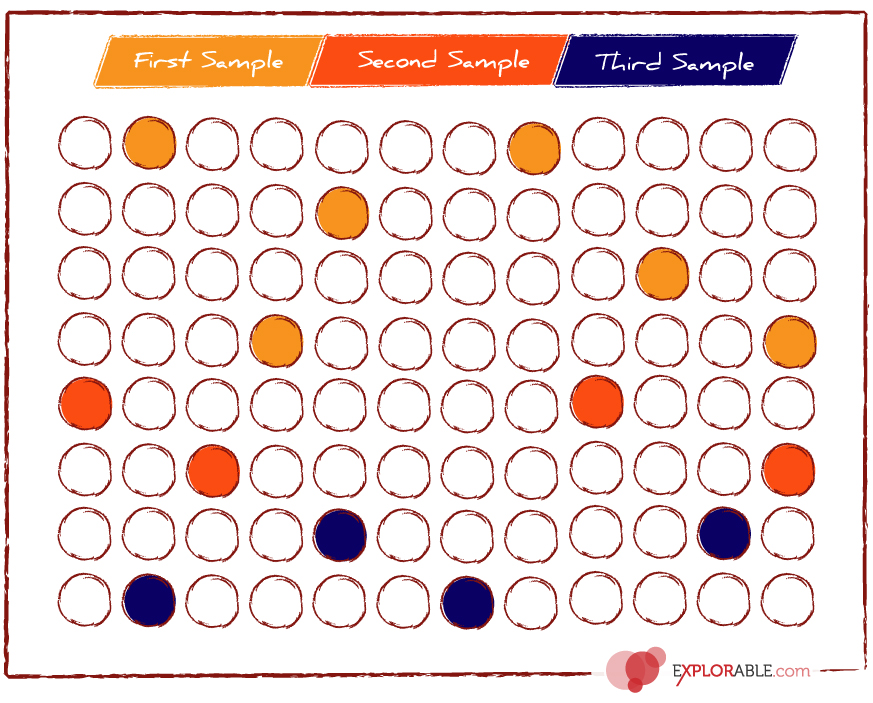 Sequential Sampling Method This sampling technique gives the researcher limitless chances of fine tuning his research methods and gaining a vital insight into the study that he is currently pursuing. Difference of Sequential Sampling From All Other Sampling TechniquesIf we are to consider all the other sampling techniques in research, we will all come to a conclusion that the experiment and the data analysis will either boil down to accepting the null hypothesis or disproving the null hypothesis while accepting the alternative hypothesis. In sequential sampling technique, there exists another step, a third option. The researcher can accept the null hypothesis, accept his alternative hypothesis, or select another pool of subjects and conduct the experiment once again. This entails that the researcher can obtain limitless number of subjects before finally making a decision whether to accept his null or alternative hypothesis. Advantages of Sequential Sampling
Disadvantages of Sequential Sampling
Full reference: Explorable.com (Nov 24, 2010). Sequential Sampling Method. Retrieved Oct 28, 2026 from Explorable.com: https://explorable.com/sequential-sampling You Are Allowed To Copy The TextThe text in this article is licensed under the Creative Commons-License Attribution 4.0 International (CC BY 4.0). This means you're free to copy, share and adapt any parts (or all) of the text in the article, as long as you give appropriate credit and provide a link/reference to this page. That is it. You don't need our permission to copy the article; just include a link/reference back to this page. You can use it freely (with some kind of link), and we're also okay with people reprinting in publications like books, blogs, newsletters, course-material, papers, wikipedia and presentations (with clear attribution). This article is a part of the guide:Discover 23 more articles on this topic Don't miss these related articles: Browse Full OutlineThank you to... This project has received funding from the European Union's Horizon 2020 research and innovation programme under grant agreement No 827736.
 Explorable.com - 2008-2026 You are free to copy, share and adapt any text in the article, as long as you give appropriate credit and provide a link/reference to this page. This website uses cookiesThis website uses cookies. By agreeing you consent to all cookies on this website in accordance with our Cookie Policy. Read more |
| You are visitor 01402503 — GeezerVison does not store the pages you look up. Best viewed with Netscape Navigator 4.7 or Internet Explorer 6 at 800×600. No cookies required. |